



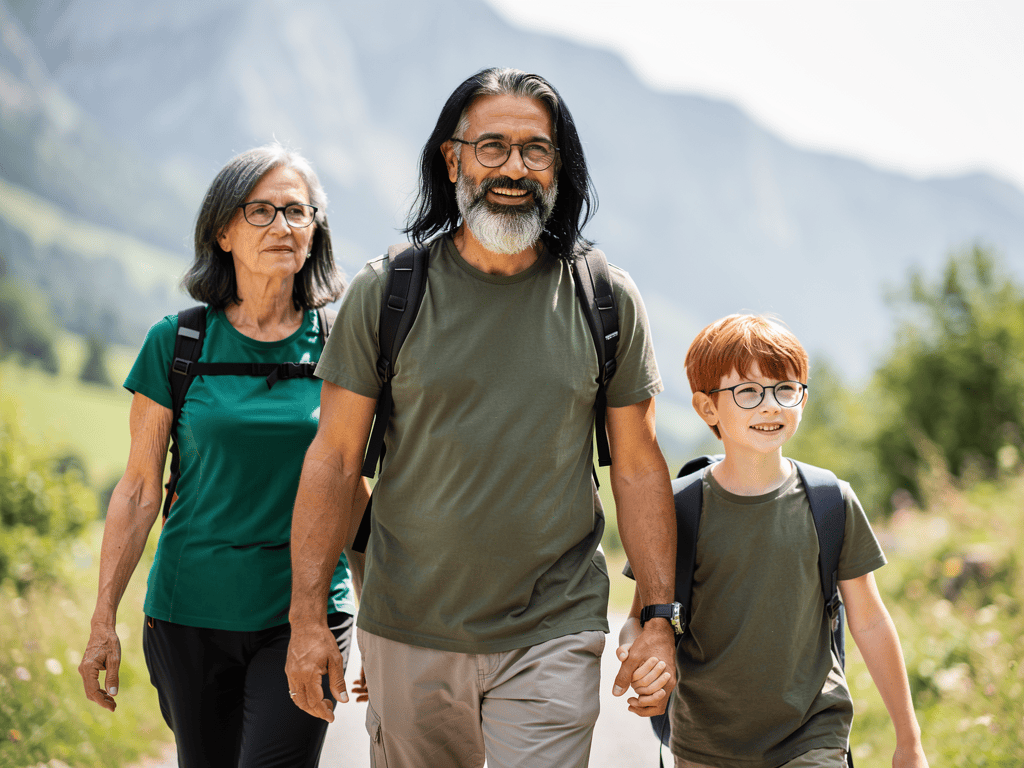
Why educational trips with grandchildren are valuable
Educational trips with grandchildren are a special opportunity to learn together and discover the world. When you as grandparents travel with your grandchildren, you not only create unforgettable memories, but also give your grandchildren the chance to gain new perspectives and expand their knowledge. These shared experiences shape your grandchildren in a lasting way and help them better understand the world.
Educational trips allow your grandchildren to experience history, culture, and nature not just from books or films, but directly. When your grandchildren visit historical sites, immerse themselves in museums, or get to know foreign cultures, what they learn becomes much more vivid and stays in memory longer. These experiences can motivate your grandchildren to continue learning and remain curious about the world.
At the same time, educational trips strengthen the bond between you and your grandchildren. When you discover new places together, master challenges, and collect new experiences, trust and connection grow. Your grandchildren will remember these shared adventures for life and appreciate that you took the time to explore the world with them.
Learning through experience
Educational trips offer your grandchildren the opportunity to gain knowledge through direct experience. When your grandchildren visit a castle, for example, they can not only learn about the Middle Ages, but also feel what it is like to stand in historical rooms. These multisensory experiences make learning much more intense and lasting than pure reading or listening.
Through on-site experience, your grandchildren develop a better understanding of connections. When they see how people live in other countries, how historical events have shaped the landscape, or how natural phenomena work, they can better categorize and understand this information. This type of learning promotes critical thinking and helps your grandchildren better grasp complex topics.
Educational trips can also awaken your grandchildren's curiosity and motivate them to continue learning. When your grandchildren discover new interests on trips – whether for archaeology, art, science, or other cultures – you can support and promote these interests. This motivation can encourage your grandchildren to continue engaging with these topics after the trip.
Creating shared memories
Educational trips with grandchildren create valuable shared memories that strengthen your relationship. When you discover new places together, master challenges, and experience special moments, memories are created that will accompany both you and your grandchildren for life. These shared experiences create a special connection between generations.
The memories of shared educational trips can also be a source of strength in difficult times. When your grandchildren later think back to these trips, they remember not only the places they visited, but also the time they spent with you. These positive memories can support your grandchildren and show them that they are loved and valued.
Shared trips also offer the opportunity to share and pass on family history. When you visit places that have meaning for your family, or when you tell stories from your own childhood, you give your grandchildren insights into their family history. This connection to the past can help your grandchildren better understand their own identity.
Selecting age-appropriate destinations
When selecting destinations for educational trips with grandchildren, it is important to consider your grandchildren's age and interests. Younger grandchildren need different activities and learning content than older grandchildren. When you choose destinations that match your grandchildren's abilities and interests, the trip will be a success for everyone involved.
It is also important that the destinations are interesting and feasible for both your grandchildren and yourself. When you choose destinations that excite you, you can pass on this enthusiasm to your grandchildren. At the same time, the destinations should be chosen so that you as grandparents can manage the trip physically and organizationally.
When selecting destinations, you can also consider the season and weather. Some destinations are particularly beautiful at certain times of year or offer special activities. When you choose the travel time well, you can get the best out of the destination while ensuring that the trip is pleasant for everyone.
Destinations for younger grandchildren
For younger grandchildren, destinations that offer interactive and playful learning opportunities are suitable. Children's museums, zoos, open-air museums, or theme parks with educational aspects can be particularly interesting for younger grandchildren. These places offer the opportunity to learn playfully while having fun.
With younger grandchildren, you should also make sure that the trip is not too strenuous. Shorter trips or destinations nearby may be better suited for younger grandchildren than long-distance trips. It is also important that there are enough breaks and opportunities for rest so that your grandchildren are not overwhelmed.
For younger grandchildren, destinations that focus on nature and animals can also be interesting. National parks, animal parks, or farms offer the opportunity to experience nature while learning about animals, plants, and ecosystems. These experiences can awaken an interest in nature and the environment in younger grandchildren.
Destinations for older grandchildren
For older grandchildren, more complex and challenging destinations can be interesting. Historical sites, art museums, scientific institutions, or cities with rich cultural heritage can be particularly valuable for older grandchildren. These destinations offer the opportunity to gain deeper insights into history, culture, or science.
Older grandchildren can also handle longer trips and more challenging activities. You can undertake challenging hikes together, visit complex museums, or participate in guided tours that offer detailed information. These activities can help older grandchildren deepen their interests and gain new perspectives.
For older grandchildren, destinations related to their school interests or future career aspirations can also be interesting. If your grandchildren are interested in certain subjects or careers, you can choose destinations that promote these interests. This targeted support can help your grandchildren pursue their goals and plan their future.
Planning and preparing educational trips
Good planning is the key to successful educational trips with grandchildren. When you carefully prepare the trip, you can ensure that everyone involved can get the best out of the trip. The planning should include both the practical aspects of the trip and the learning goals and activities.
When planning, you should also involve your grandchildren's parents. Discuss the destinations, timing, and activities with the parents so that everyone is on the same page. The parents can also provide valuable information about your grandchildren's interests, needs, and boundaries that can be helpful in planning.
It is also important that you have realistic expectations when planning. Not everything will go perfectly, and unexpected situations can arise. When you stay flexible and have alternative plans, you can experience a beautiful and educational trip even when facing challenges.
Researching destinations
Before undertaking an educational trip with your grandchildren, you should thoroughly research the destinations. Find out about the sights, museums, activities, and learning opportunities at the destination. This research helps you plan the trip optimally and ensure that there are enough interesting and age-appropriate activities.
When researching, you can also read reviews and experience reports from other families. These can provide valuable information about the suitability of destinations for children and teenagers. You can also get tips on which activities are particularly recommended and which may be less suitable.
It is also important that you inform yourself about the practical aspects of the destination. How is the journey? Are there barrier-free accesses? What accommodation options are available? This information helps you plan the trip so that it is pleasant and feasible for everyone involved.
Defining learning goals
Before undertaking an educational trip, you can define learning goals together with your grandchildren. What do your grandchildren want to learn? What topics interest them? When you set the learning goals together, you can ensure that the trip matches your grandchildren's interests and that they are motivated to engage with the learning content.
The learning goals should be realistic and achievable. You do not have to cover everything on one trip, but can focus on certain topics or aspects. If the learning goals are too ambitious, this can lead to frustration. It is better to set realistic goals and be happy about what is learned together.
The learning goals can also be flexible and adapt during the trip. If your grandchildren discover new interests or if opportunities arise that were not planned, you can adjust the learning goals. This flexibility can make the trip even more interesting and educational.
Choosing travel time
The timing of the educational trip is important for the success of the trip. You should choose a time that works for both you and your grandchildren. Consider school holidays, your own appointments, and also the weather at the destination. A well-chosen time can make the trip significantly more pleasant.
When choosing the time, you can also consider whether there are special events or seasons at the destination. Some destinations have special offers, events, or better weather at certain times. When you choose the time accordingly, you can get the best out of the destination.
It is also important that you plan enough time for the trip. Educational trips should not be too hectic, but offer enough time for discoveries, learning, and relaxation. When you plan enough time, you and your grandchildren can enjoy the trip to the fullest and better process what you have learned.
Conveying learning content age-appropriately
On educational trips with grandchildren, it is important to convey the learning content in an age-appropriate manner. Younger grandchildren need different explanations and activities than older grandchildren. When you adapt the learning content to your grandchildren's age and abilities, you can ensure that the trip is educational and interesting for everyone.
It is also important that you present the learning content in an interesting and exciting way. If the learning content is too dry or too complex, your grandchildren can quickly lose interest. It is better to convey the learning content playfully, interactively, or through stories so that your grandchildren remain motivated and have fun learning.
You can also combine different learning methods to convey the learning content. In addition to visiting sights and museums, you can also use books, films, games, or conversations to deepen what you have learned. This variety can make learning more interesting and lasting.
Making history tangible
History can be made particularly tangible on educational trips. When your grandchildren visit historical sites, they can not only learn about the past, but also feel what it must have been like to live in that time. These experiences make history much more vivid and understandable.
You can also convey history through stories and narratives. When you tell about historical events that took place at the visited places, your grandchildren can better understand and categorize these events. Stories make history tangible and help your grandchildren imagine the past.
When conveying history, you can also make connections to the present. When you show how historical events have shaped today's world, your grandchildren can better understand the importance of history. These connections help your grandchildren see history not as something abstract, but as something that influences their own world.
Discovering nature and science
Educational trips also offer the opportunity to discover nature and science. When your grandchildren visit national parks, natural history museums, or scientific institutions, they can experience nature and scientific phenomena directly. These experiences can awaken an interest in science in your grandchildren.
When discovering nature and science, you can also incorporate practical activities. Your grandchildren can, for example, collect plants, observe animals, conduct experiments, or participate in guided nature tours. These practical activities make learning more interesting and help your grandchildren better understand scientific concepts.
It is also important that you promote your grandchildren's curiosity. When your grandchildren ask questions or make interesting observations, you should take these up and explore them together. This curiosity can motivate your grandchildren to continue engaging with nature and science and perhaps even develop an interest in corresponding careers.
Getting to know cultures
Educational trips also offer the opportunity to get to know different cultures. When your grandchildren visit other countries, cities, or regions, they can learn about different ways of life, traditions, and values. These experiences can promote tolerance, openness, and understanding for other cultures in your grandchildren.
When getting to know cultures, you can also include local foods, festivals, music, or art. These cultural experiences make getting to know a culture much more vivid and interesting. Your grandchildren can not only learn theoretically about other cultures, but also experience them practically.
It is also important that you are respectful and open when getting to know cultures. Show your grandchildren that there is no "better" or "worse" culture, but that different cultures have different strengths and characteristics. This attitude can help your grandchildren appreciate and respect other cultures.
Practical tips for the trip
On educational trips with grandchildren, there are some practical aspects that you should consider so that the trip is pleasant and successful for everyone. Good preparation, the right equipment, and realistic expectations can contribute to making the trip an unforgettable experience.
It is also important that you remain flexible during the trip and respond to your grandchildren's needs. Not everything will go according to plan, and unexpected situations can arise. When you are flexible and have alternative plans, you can experience a beautiful trip even when facing challenges.
At the same time, you should also pay attention to your own needs. Educational trips with grandchildren can be strenuous, and it is important that you do not overwhelm yourself. Plan enough breaks and make sure that you can also enjoy the trip.
Trip preparation with grandchildren
Trip preparation can also be a joint activity with your grandchildren. When you involve your grandchildren in planning, they can look forward to the trip while learning about the destination. You can study maps together, read books about the destination, or watch films set there.
During trip preparation, you can also create a packing list together. Let your grandchildren help decide what should be taken along and explain why certain things are important. This participation can motivate your grandchildren and help them take responsibility.
It is also important that you set realistic expectations during trip preparation. Explain to your grandchildren what they can expect, but also that not everything will be perfect. This realistic preparation can help ensure that your grandchildren are not disappointed if something does not go as planned.
During the trip
During the trip, it is important that you plan enough breaks and respond to your grandchildren's needs. Younger grandchildren need more breaks and rest time than older grandchildren. If you make the trip too strenuous, your grandchildren can be overwhelmed and not be able to enjoy the trip.
It is also important that you remain flexible during the trip. If your grandchildren are tired, develop a particular interest, or if unexpected opportunities arise, you should be able to adjust the plans. This flexibility can make the trip more interesting and ensure that everyone can get the best out of the trip.
At the same time, you should also make sure that the learning content does not become too intense. Educational trips should also be fun and offer room for relaxation. If you put learning too much in the foreground, your grandchildren can lose interest. It is better to find a balance between learning and relaxation.
After the trip
After the trip, you can reflect on the experiences together with your grandchildren and deepen what you have learned. Look at photos together, talk about the highlights of the trip, and think about what was particularly interesting or educational. This reflection can help ensure that what you have learned stays in memory better.
You can also create a travel diary or presentation about the trip together. These activities help your grandchildren structure and process what they have learned. At the same time, you also create a beautiful memory of the shared trip.
It is also important that you continue to promote your grandchildren's interests after the trip. If your grandchildren have developed new interests on the trip, you can support these by offering books, films, or further activities on these topics. This continuous support can help ensure that the trip has long-term positive effects.
Costs and financing
Educational trips with grandchildren can be associated with various costs. When planning the trip, you should realistically estimate the costs and budget accordingly. This includes travel, accommodation, meals, admission fees, and activities. When you plan the costs in advance, you can avoid unpleasant surprises.
When financing, you can consider various options. You can finance the trip completely yourself, finance it together with the parents, or also look for funding opportunities. Some organizations offer grants or discounts for educational trips with children or teenagers.
It is also important that you have realistic expectations when planning costs. Not every educational trip has to be expensive – there are also many cost-effective ways to learn and discover together. When you keep costs within limits, you can also take educational trips more often and regularly offer your grandchildren new learning experiences.
Safety and health
On educational trips with grandchildren, the safety and health of everyone involved is of utmost importance. Before undertaking a trip, you should inform yourself about the security situation at the destination and take appropriate precautions. This also includes information about medical care, emergency contacts, and insurance.
It is also important that you consider your grandchildren's and your own health needs. If you or your grandchildren have health limitations, you should consider these when planning and choose destinations and activities accordingly. Good preparation can help ensure that the trip is safe and pleasant for everyone.
When planning, you should also think about travel insurance. Travel insurance can protect you from unexpected costs if the trip has to be canceled or if health problems arise. This coverage can give you and your grandchildren's parents more security.
Destinations by age
Cost overview for educational trips
Examples of learning goals by topic
Packing list for educational trips
- Travel documents and insurance
- Clothing for various weather conditions
- Comfortable shoes for lots of walking
- Camera or smartphone for photos
- Notebook or diary
- Books or materials about the destination
- First aid kit and medications
- Snacks and drinks for on the go
Tips for trip planning
- Thoroughly research destinations
- Define learning goals together with grandchildren
- Carefully choose travel time
- Involve parents in planning
- Set realistic expectations
- Create flexible plans
- Plan enough breaks
- Consider safety and health
Activities after the trip
- Look at and sort photos together
- Create travel diary or presentation
- Talk about highlights and learning content
- Continue to promote interests
- Offer books or films on the topic
- Plan next trip