



What are chronic diseases?
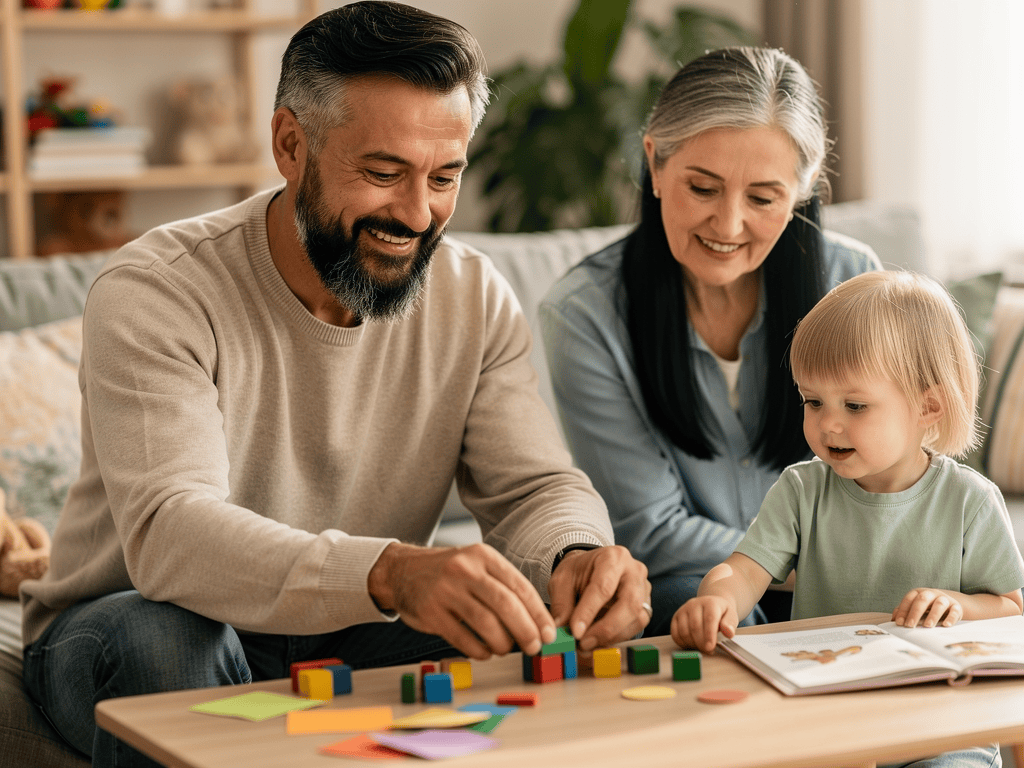
Chronic diseases are long-term health conditions that persist for months or years. These include conditions such as diabetes, high blood pressure, arthritis, heart disease, or chronic respiratory diseases. As grandparents, it is important to understand that while chronic diseases present a challenge, they do not have to be an obstacle to a fulfilling life. With proper management, you can remain active despite health limitations and spend valuable time with your grandchildren.
Many grandparents live with chronic diseases and still lead active and fulfilling lives. The key is to actively manage your health and develop strategies that fit your daily life. When you have your health under control, you can play with your grandchildren, tell stories, and create important memories for many more years. Your grandchildren benefit when you stay healthy and active, as they need you as an important reference person in their lives.
It is completely normal to sometimes feel overwhelmed when living with a chronic disease. It is important not to be discouraged and to know that there are many ways to improve your health and increase your quality of life. With the right support, the right information, and a positive approach, you can learn to manage your condition and still lead an active life.
Definition and common conditions
Chronic diseases are health conditions that last longer than three months and often require long-term treatment. The most common chronic conditions in old age include type 2 diabetes, high blood pressure, coronary heart disease, arthritis, osteoporosis, chronic obstructive pulmonary disease (COPD), and dementia. Each of these conditions has its own characteristics and requires specific treatment approaches.
Type 2 diabetes is one of the most common chronic diseases in old age. It occurs when the body no longer responds adequately to the hormone insulin. With proper nutrition, exercise, and medication, you can control your blood sugar well and avoid complications. High blood pressure is another common condition that increases the risk of heart attack and stroke. Through regular monitoring, medication, and a healthy lifestyle, you can lower your blood pressure and reduce your risk.
Arthritis affects many older people and can cause pain and movement restrictions. However, with proper treatment, exercise, and adjustments in daily life, you can continue to stay active. Osteoporosis, a condition that weakens bones, can be positively influenced by adequate calcium, vitamin D, and exercise. COPD, a chronic lung disease, requires special treatments and breathing exercises to maintain lung function.
Why active management is important
Active management of your chronic disease is crucial for your quality of life and your ability to be active with your grandchildren. When you have your condition under control, you can avoid complications, reduce your symptoms, and stay healthy longer. This means you have more time and energy to play with your grandchildren, tell stories, and share important moments.
Your grandchildren benefit enormously when you stay healthy and active. They need you as an important reference person who provides them with stability, love, and support. When you actively manage your health, you also show your grandchildren how important it is to take care of yourself and take responsibility for your own health. You are a role model that shapes your grandchildren and shows them how to deal with challenges.
Active management does not mean you have to be perfect or that you are not allowed to have bad days. Rather, it means that you consciously work for your health and develop strategies that fit your life. When you take your medications regularly, go to preventive examinations, and maintain a healthy lifestyle, you are investing in your future and the future of your family. Your grandchildren will thank you when you can be there for them for many more years.
Medication management in daily life
Well-organized medication management is crucial for successfully dealing with chronic diseases. When you need to take multiple medications, it can quickly become confusing. However, with proper organization, you can ensure that you take all medications at the right time and in the right dosage. This helps you control your symptoms and avoid complications.
Your grandchildren benefit when you take your medications regularly, as you can stay healthy longer and spend more time with them. If you forget or take your medications incorrectly, this can lead to health problems that affect your ability to be active with your grandchildren. Well-organized medication management is therefore not only important for you, but also for your family.
There are many practical tools that can help you with medication management. Medication boxes with compartments for each day of the week can help you keep track. Reminder apps on your smartphone can remind you to take your medications. A medication plan that you create together with your doctor can help you document all medications and their intake times.
Keeping track
When you take multiple medications, it is important to keep track. Create a list of all medications you take, including dosage, intake time, and purpose. You should regularly discuss this list with your doctor to ensure that all medications are still necessary and that no unnecessary medications are being taken.
A medication plan that you can get from the pharmacy or doctor helps you document all information clearly. Always carry this plan with you, especially when you go to different doctors or need to go to the hospital. This way, all treating doctors can see which medications you are taking and avoid possible interactions.
Regularly review your medication list and remove medications you no longer take. When you are prescribed new medications, add them to the list and discuss with your doctor whether all medications are still necessary. Sometimes medications can be reduced or discontinued when your health improves.
Organizing intake times
Organizing intake times is crucial for the success of your treatment. Some medications must be taken at specific times to work optimally. Other medications should be taken with meals to avoid stomach problems. Talk to your doctor or pharmacist about the optimal intake times for your medications.
A medication box with compartments for each day of the week can help you organize intake times. Fill the box once a week, preferably on the same day, so you develop a routine. Place the box in a well-visible location so you do not forget it. When you empty the box in the morning, you immediately know if you have taken all medications.
If you have difficulty remembering intake times, you can use various tools. An alarm clock or reminder app on your smartphone can remind you. Some people place their medications next to coffee or breakfast so they do not forget them. Find a method that fits your daily life and that you can consistently apply.
Considering interactions
Interactions between medications can be dangerous and should always be considered. When you take multiple medications, it is important that all treating doctors know which medications you are taking. Also inform your pharmacist when you are prescribed new medications so they can check for possible interactions.
Some medications should not be taken together with certain foods. For example, some antibiotics cannot be taken with dairy products, as this affects absorption. Other medications should not be taken with grapefruit juice, as this can lead to dangerous interactions. Talk to your doctor or pharmacist about possible interactions with foods.
Over-the-counter medications and dietary supplements can also cause interactions. Always inform your doctor about all medications and dietary supplements you take, even if they are over-the-counter. This way, possible interactions can be detected and avoided early. Your health and your ability to be active with your grandchildren depend on taking your medications safely.
Healthy nutrition with chronic diseases
A healthy diet is an important part of managing chronic diseases. The right nutrition can help control symptoms, avoid complications, and improve your overall health. When you eat healthily, you have more energy and can be more active with your grandchildren. Your grandchildren benefit when you stay healthy, as they need you as an important reference person in their lives.
Nutritional recommendations depend on your specific condition. With diabetes, it is important to keep blood sugar stable, which can be achieved through a balanced diet with complex carbohydrates, plenty of vegetables, and moderate fruit. With high blood pressure, you should prefer low-salt foods and eat plenty of fruits and vegetables. With heart disease, a low-fat, high-fiber diet is recommended.
It is not necessary to completely change your diet. Often small changes are enough to achieve great improvements. Try to integrate more vegetables and fruits into your meals, eat fewer processed foods, and drink enough. When you eat healthily, you also show your grandchildren how important a balanced diet is and can prepare healthy meals together.
Nutritional recommendations
With diabetes, it is important to eat regular meals and keep blood sugar stable. Eat complex carbohydrates such as whole grain bread, oatmeal, or brown rice, which cause blood sugar to rise more slowly. Avoid sugary drinks and sweets that cause blood sugar to rise quickly. Eat plenty of vegetables that contain few carbohydrates and moderate fruit that contains natural sugar.
With high blood pressure, you should prefer low-salt foods and eat plenty of fruits and vegetables. Avoid processed foods that often contain a lot of salt. Instead, use herbs and spices to give your meals flavor. Drink enough water to keep your body hydrated. A low-salt diet can help lower your blood pressure and reduce your risk of cardiovascular disease.
With heart disease, a low-fat, high-fiber diet is recommended. Eat plenty of fruits, vegetables, and whole grain products that are rich in fiber. Avoid saturated fats that are found in animal products such as meat and dairy products. Prefer plant-based fats such as olive oil or canola oil. Eat moderate amounts of fish that are rich in omega-3 fatty acids, which are good for the heart.
Meal planning
Good meal planning can help you eat healthily and keep track. Plan your meals for the week in advance so you know what you need to buy and what you will cook. This way you can ensure that you get all necessary nutrients and do not have to eat unhealthy meals due to lack of time.
When you plan your meals, you can also cook together with your grandchildren and show them how to prepare healthy meals. This is a wonderful opportunity to spend time with your grandchildren and teach them important lessons about healthy nutrition. Your grandchildren will love cooking with you and learning how to prepare delicious and healthy meals.
Prepare meals in advance when you have time so you can eat healthy meals on stressful days. For example, you can cut and pre-cook vegetables on the weekend so you can quickly prepare healthy meals during the week. This way you can ensure that you eat healthily even on stressful days and have energy for your grandchildren.
Exercise and activity
Regular exercise is important for managing chronic diseases and for your overall health. Exercise can help reduce symptoms, improve mobility, and lift your mood. When you are regularly active, you have more energy and can be active with your grandchildren longer. Your grandchildren benefit when you stay fit and active, as they love to play and be active with you.
The type of exercise that is suitable for you depends on your specific condition and your fitness level. With arthritis, gentle movements such as swimming, water aerobics, or walks can help keep joints mobile. With heart disease, regular walks or light cardio exercises can help strengthen the heart. With diabetes, exercise can help control blood sugar.
It is important that you integrate exercise into your daily life, but do not overdo it. Start slowly and gradually increase intensity. Listen to your body and take breaks when you are tired. When you are regularly active, you will notice that you have more energy and feel better. Your grandchildren will enjoy being active with you.
Suitable forms of exercise
Walks are one of the simplest and safest forms of exercise for people with chronic diseases. You can walk at your own pace and adjust the duration and intensity to your needs. Walks can help improve endurance, lift mood, and keep joints mobile. Try to walk at least 30 minutes daily, even if it is just short walks.
Swimming and water aerobics are particularly good for people with arthritis or joint problems, as water relieves the joints. The water carries part of your body weight, which reduces the load on the joints. At the same time, water resistance provides good training for the muscles. Many swimming pools offer special courses for seniors that are tailored to the needs of older people.
Yoga and Tai Chi are gentle forms of exercise that can help improve flexibility, balance, and relaxation. These forms of exercise are particularly good for people with chronic pain or stress. They can be practiced at your own pace and can help reduce symptoms and increase well-being. Many communities offer courses for seniors that are specifically tailored to the needs of older people.
Activities with grandchildren
Activities with your grandchildren are a wonderful way to exercise and spend time with them at the same time. Walks in the park, forest, or by the lake are a great way to be active and enjoy nature. Your grandchildren will love exploring nature with you and discovering new things. These shared activities create valuable memories and strengthen the bond between you and your grandchildren.
Gardening is another activity you can do together with your grandchildren. Planting, watering, and harvesting vegetables or flowers is not only physically active but also educational for your grandchildren. You can show them how plants grow and how to care for them. These shared activities help you stay active and give your grandchildren important lessons about nature and responsibility.
Outdoor games such as ball games, hide and seek, or tag are a great way to exercise and have fun. Even if you cannot be as active as before, you can still participate and encourage your grandchildren to be active. Your grandchildren will love when you play with them, and you will notice that you feel better when you are active. These shared activities are important for your health and for your relationship with your grandchildren.
Doctor visits and preventive care
Regular doctor visits and preventive examinations are crucial for successfully managing chronic diseases. When you go to your doctor regularly, problems can be detected and treated early before they lead to larger complications. Your grandchildren benefit when you stay healthy, as they need you as an important reference person in their lives.
It is important that you keep all appointments and prepare well for doctor visits. Write down your questions in advance so you do not forget anything. Bring a list of your medications so your doctor can see what you are taking. Note your symptoms and complaints so you can accurately describe to your doctor what you are experiencing.
When you go to preventive examinations regularly, you can avoid complications and stay healthy longer. This means you have more time and energy to be with your grandchildren. Your grandchildren will thank you when you can be there for them for many more years. Regular preventive care is an investment in your future and the future of your family.
Regular check-ups
Regular check-ups with your family doctor are important to monitor the course of your chronic disease. Your doctor can check your values, adjust your medications, and ensure that your treatment is optimal. With diabetes, you should regularly have your blood sugar and HbA1c checked. With high blood pressure, you should regularly have your blood pressure measured.
Specialists such as cardiologists, diabetologists, or rheumatologists can perform additional examinations and prescribe specific treatments. It is important that all your doctors are informed about your conditions and medications so they can work together and find the best treatment for you. Bring a current list of your medications to every doctor visit.
Preventive examinations such as mammography, colonoscopy, or eye examinations can help detect other health problems early. Talk to your doctor about the recommended preventive examinations for your age and conditions. These examinations can help avoid complications and maintain your health.
Preparing for doctor visits
Good preparation for doctor visits can help you get the most out of your appointments. Write down your questions in advance so you do not forget anything. Note your symptoms, complaints, and changes you have noticed. Bring a list of your medications, including dosage and intake times.
If possible, take a family member or friend with you who can help you remember important information and ask questions. Sometimes it is helpful to have a second person present who listens and takes notes. Your grandchildren can also come along if they are old enough and can learn how important it is to take care of your own health.
Make sure you bring all relevant documents, such as previous findings, medication lists, or information from other doctors. This way your doctor can get a complete picture of your health and find the best treatment for you. Good preparation helps you communicate more effectively with your doctor and receive the best treatment.
Managing symptoms
Managing symptoms of chronic diseases can be a challenge, but there are many strategies that can help you. Pain, fatigue, shortness of breath, or other symptoms can affect your daily life, but with proper management, you can learn to deal with them and still lead an active life. Your grandchildren benefit when you have your symptoms under control, as you then have more time and energy for them.
It is important that you do not ignore your symptoms but actively deal with them. Talk to your doctor about your symptoms and find strategies together that help you. Sometimes medications can be adjusted to reduce symptoms. Sometimes lifestyle changes can help. It is important that you do not give up and know that there are always ways to improve your situation.
Your grandchildren understand when you are sometimes tired or in pain. Explain to them in an age-appropriate way what is going on and show them that you are still there for them. You can do quieter activities together when you are tired, or you can show them how to deal with challenges. Your grandchildren learn that it is normal to sometimes have difficulties and that you can still lead a fulfilling life.
Pain management
Chronic pain can be a great burden, but there are many strategies that can help you. Medications can help reduce pain, but there are also non-medication methods that can be effective. Relaxation techniques such as deep breathing, meditation, or progressive muscle relaxation can help reduce pain and increase well-being.
Heat or cold applications can help with some pain. A warm bath or hot water bottle can help with muscle or joint pain. Cold applications can help with inflammation. Exercise can also help reduce pain, especially with arthritis. Gentle movements can keep joints mobile and reduce pain.
It is important that you talk to your doctor about your pain and find strategies together that help you. Sometimes medications can be adjusted to better control pain. Sometimes physical therapies or other treatments can help. It is important that you do not have to suffer and that there are always ways to improve your situation.
Fatigue and energy management
Fatigue is a common symptom of chronic diseases, but there are strategies that can help you better manage your energy. Plan your activities so that you optimally use your energy. Do the most important things when you have the most energy and plan rest breaks. This way you can ensure that you have enough energy for your grandchildren.
Prioritize your activities and focus on what is most important to you. If you want to spend time with your grandchildren, plan these activities for times when you have the most energy. Learn to say "No" to activities that are not important so you can save your energy for what is really important to you.
Adequate sleep is important for energy management. Try to have regular sleep times and practice good sleep hygiene. Avoid caffeine and alcohol before bedtime and create a quiet, relaxing sleep environment. When you sleep well, you have more energy for the day and can be more active with your grandchildren.
Support from family and friends
Support from family and friends is important when you live with a chronic disease. Your family can help you organize your medications, accompany you to doctor visits, or simply be there for you when you need support. Your grandchildren can also be an important source of support by helping you stay active and bringing you joy.
It is important that you openly talk to your family about your condition so they understand what you are going through and how they can help you. Explain to your grandchildren in an age-appropriate way what is going on and show them that you are still there for them. Your family can help you manage your health, and you can develop strategies together that fit your life.
Do not forget that you are not alone. Many people live with chronic diseases and still lead fulfilling lives. Support groups, counseling centers, or online forums can help you connect with other people who have similar experiences. This support can help you deal with your condition and still lead an active life.
Medication overview for chronic diseases
Nutritional recommendations for chronic diseases
Exercise recommendations for chronic diseases
Practical tips for medication management
- Create a list of all medications with dosage and intake times
- Use a medication box with compartments for each day of the week
- Set reminders on your smartphone so you do not forget medications
- Regularly discuss with your doctor whether all medications are still necessary
- Bring a current medication list to every doctor visit
- Inform all treating doctors about all medications you take
Tips for healthy nutrition
- Plan your meals for the week in advance
- Eat regular meals to keep blood sugar stable
- Integrate more vegetables and fruits into your meals
- Avoid processed foods that often contain a lot of salt and sugar
- Drink enough water throughout the day
- Cook together with your grandchildren and show them healthy nutrition
Tips for regular exercise
- Start slowly and gradually increase intensity
- Find forms of exercise that you enjoy
- Integrate exercise into your daily life, for example through walks
- Take regular breaks and listen to your body
- Exercise together with your grandchildren to stay active
- Talk to your doctor about suitable forms of exercise for your condition
Tips for successful doctor visits
- Write down your questions in advance so you do not forget anything
- Bring a current list of your medications
- Note your symptoms and complaints before the visit
- Take a family member or friend with you who can help you
- Ask all questions you have, even if they seem unimportant to you
- Keep a health diary to document changes