



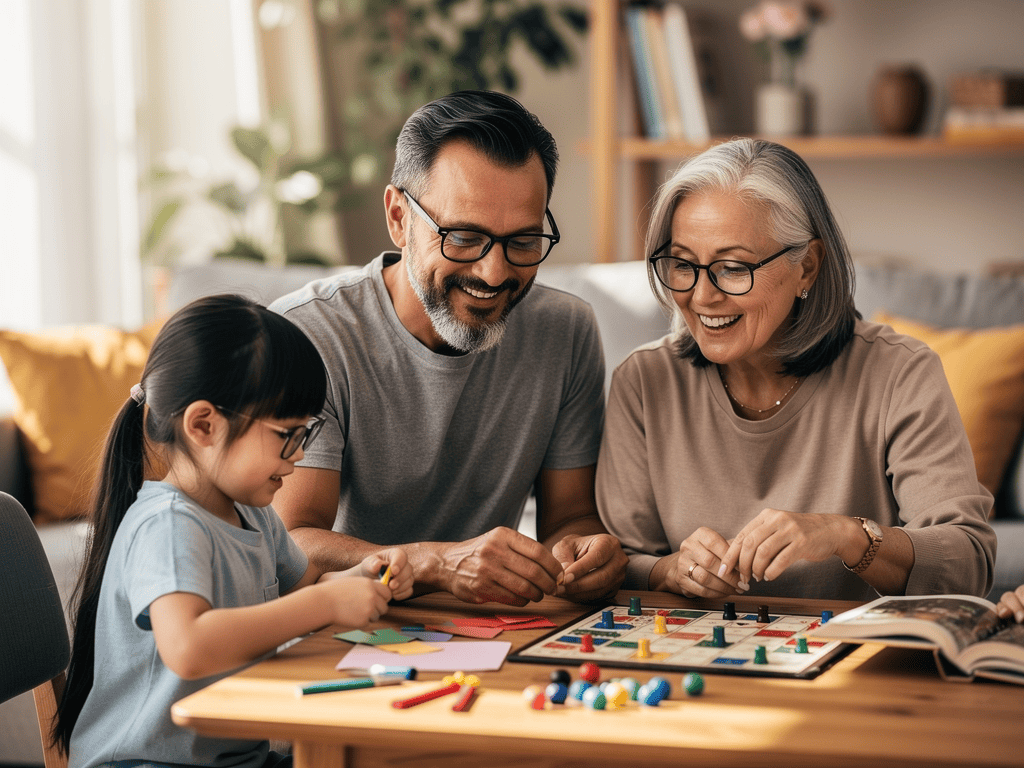
What is Data Protection and Why is it Important?
Data protection means that your personal information is protected and you can decide for yourself who may see and use this information. In the digital age we live in, many data about us are collected every day – from our names and addresses to our interests and habits. As grandparents, it is important to understand how you can protect your data and your grandchildren's.
Data protection is not just a technical matter, but affects all of us in everyday life. When you shop online, use social media, or simply surf the internet, you leave traces. These traces can be used by companies, organizations, or even by people with bad intentions. When you learn how to protect your data, you can be safer online and also better protect your grandchildren.
For grandparents, data protection is particularly important because you often want to share photos and information about your grandchildren, but at the same time need to ensure that this information does not fall into the wrong hands. When you understand the basics of data protection, you can make informed decisions about which information you want to share and which should better remain private. This helps not only you but also your grandchildren to be safer in the digital space.
Definition and Meaning
Data protection means that you have the right to decide for yourself who may see, use, or store your personal data. Personal data is all information that relates to you – your name, your address, your email address, but also your interests, your habits, or information about your health. This data is valuable and should be protected.
In Germany, there are laws that regulate data protection, such as the General Data Protection Regulation (GDPR). These laws ensure that companies and organizations cannot simply collect and use your data without you being informed about it. You have the right to know what data is stored about you, and you can also request that this data be deleted if you wish.
But data protection also means that you must take responsibility yourself. You cannot rely on others to automatically protect your data. You must become active yourself and learn how you can protect your data. This is particularly important if you want to share photos or information about your grandchildren, because this data must also be protected.
Why Data Protection is Important for Grandparents
As grandparents, you have a special responsibility to protect not only your own data but also your grandchildren's. When you share photos of your grandchildren on social media or disclose information about them, this information can be seen by other people and potentially misused. When you learn how to handle data protection correctly, you can better protect your grandchildren.
Data protection is also important because you yourself are online and could potentially become victims of fraud or identity theft. If you do not protect your personal data, other people can use this data to defraud you or do things in your name that you do not want. When you understand the basics of data protection, you can better protect yourself from such dangers.
At the same time, through good data protection, you can also be a role model for your grandchildren. When your grandchildren see that you are careful with personal information and that you think about data protection, they also learn to handle their own data responsibly. This is an important lesson you can give your grandchildren so they can grow up safer in the digital age.
Protecting Personal Data
Personal data is all information that relates to you or your grandchildren. This data can be very different – from basic information such as name and address to sensitive information such as health data or financial information. As grandparents, it is important to understand which data is particularly worth protecting and how you can protect this data.
Not all data is equally important. Some data, such as your name or email address, are relatively uncritical when considered individually. Other data, such as your bank account, your passwords, or information about your health, are very sensitive and should be particularly protected. When you learn which data is particularly important, you can focus your attention on the right areas.
It is particularly important to protect your grandchildren's data. When you share photos of your grandchildren or disclose information about them, you should always consider whether this information really needs to be public. Even though it is nice to share photos of grandchildren, you should consider that these photos can remain on the internet and may be seen or used by other people. When you are careful, you can better protect your grandchildren.
Which Data is Particularly Worth Protecting?
Particularly worth protecting are data that could enable other people to identify you or harm you. These include, for example, your bank account, your credit card data, your passwords, information about your health, or your personal documents such as ID cards or passports. This data should never be carelessly shared and should be particularly well protected.
Information about your habits, interests, or location can also be sensitive. When other people know when you are at home, when you travel, or what hobbies you have, they may be able to misuse this information. When you are careful about which information you share, you can better protect yourself.
It is also particularly important to protect your grandchildren's data. Information such as full name, date of birth, address, or school name should not be carelessly shared. Photos of your grandchildren should also be shared with caution, especially if they show the full name or other identifying information. When you protect this data, you help your grandchildren grow up safer.
Protecting Your Grandchildren's Data
As grandparents, you may want to share photos of your grandchildren or proudly report on their successes. That is understandable and nice, but it is important to also think about data protection. When you share photos or information about your grandchildren, you should always consider whether this information really needs to be public and who could see it.
A good rule is to share photos of grandchildren only with people you really trust and not to post them publicly on social media. If you want to share photos, you can also send them in private groups or by email to family members instead of posting them publicly. This way, you can share the photos without them being visible to everyone.
When you share information about your grandchildren, you should also be careful. Avoid sharing the full name, date of birth, address, or school name publicly. This information could be misused by other people. When you protect this information, you help your grandchildren grow up safer and give them the opportunity to later decide for themselves which information they want to share.
Creating and Managing Secure Passwords
Passwords are like keys to your digital accounts. If someone knows your password, they can access your emails, your social media, or even your bank accounts. As grandparents, it is important to use secure passwords and manage them well so that your data and your grandchildren's remain protected.
A secure password should be long, complex, and unique. It should not be easy to guess and should not be used for multiple accounts. If you use one password for multiple accounts and one of these accounts is hacked, all your accounts are at risk. When you use a unique password for each account, you are better protected.
Many people have difficulty remembering many different passwords. That is understandable, but there are solutions. You can use a password manager that securely stores and manages your passwords. This way, you only need to remember one master password, and the password manager creates and stores secure passwords for all your accounts.
What Makes a Secure Password?
A secure password should be at least twelve characters long and contain a mix of uppercase and lowercase letters, numbers, and special characters. It should not be easy to guess – so avoid personal information such as your name, your date of birth, or your grandchildren's names. Simple words or number sequences such as "123456" or "Password" are also not secure.
A good method to create a secure password is to take a sentence and use the first letters of the words, combined with numbers and special characters. For example, from the sentence "My grandson Max is 5 years old" the password "MGmi5Yo!" could become. This way, you can remember the password more easily while it is still secure.
It is also important that you change your passwords regularly, especially if you suspect that someone might have access to your account. When you change a password, you should make sure that the new password is also secure and not identical to one of your old passwords. When you follow these rules, your accounts are better protected.
Managing Passwords Securely
If you have many different accounts, it can be difficult to remember all passwords. One solution is to use a password manager. A password manager is a program or app that securely stores and manages your passwords. You only need to remember one master password, and the password manager creates and stores secure passwords for all your accounts.
Password managers are secure because they store your passwords encrypted. This means that even if someone has access to your password manager, they cannot read your passwords without knowing the master password. Many password managers are free or inexpensive and easy to use. When you use a password manager, you can be safer online.
If you do not want to use a password manager, you can also write down your passwords on a piece of paper and keep them in a safe place, for example in a locked cabinet. It is important that you do not lose this paper and that no one else can access it. When you write down your passwords, you should also make sure that you do not write down the full name of the account, but only a hint that you yourself understand.
Staying Safe Online
The internet is a great place to find information, stay in touch with others, or shop. But there are also dangers, especially when it comes to your personal data. As grandparents, it is important to learn how you can stay safe online so that you can protect yourself and your grandchildren.
One of the most common dangers on the internet are fraudulent emails or messages that try to get you to disclose personal information or click on harmful links. These messages often look like they come from trusted sources such as your bank or a well-known company, but in reality they are fake. When you learn to recognize these messages, you can better protect yourself.
When visiting websites, you should also be careful. Not all websites are secure, and some may try to install harmful software on your computer or steal your personal data. When you learn to recognize secure websites and be careful with links, you can surf the internet more safely.
Caution with Emails and Messages
Fraudulent emails, also called phishing emails, are one of the most common dangers on the internet. These emails often look like they come from trusted sources such as your bank, an online shop, or a well-known company. They try to get you to click on a link or disclose personal information.
A good rule is to never click on links in emails if you are not sure that the email really comes from the stated source. If you receive an email from your bank asking you to log in or confirm information, you should visit the bank's website directly in your browser instead of clicking on the link in the email. This way, you can make sure that you are really on the bank's real website.
Even if an email sounds urgent or puts you under pressure, you should be careful. Real companies usually give you time to respond and do not put you under pressure. If an email asks you to act immediately or threatens to block your account if you do not respond immediately, this is often a sign that it is a fraudulent email. If you are unsure, you should delete the email or contact the company directly to verify if the email is real.
Recognizing Secure Websites
You can recognize secure websites by a small lock symbol in your browser's address bar and by the address starting with "https://" instead of just "http://". The "s" stands for "secure" and means that the connection is encrypted. When you shop on a website or enter personal information, you should always make sure that the website is secure.
The website's address should also be checked. Fraudsters sometimes create websites that look almost identical to real websites but have a slightly different address. If you are redirected to "bank-example.com" instead of "bank-example.de", for example, you should be careful. Always check the address before entering personal information.
If you are unsure whether a website is secure, you should not visit it or enter personal information. If you do not know a website or if it looks suspicious, it is better to avoid it. When you are careful and only visit websites you trust, you can be safer online.
Social Media and Data Protection
Social media such as Facebook, Instagram, or WhatsApp are a great way to stay in touch with family and friends and share photos. But they also pose risks to data protection. As grandparents, it is important to understand how you can protect your privacy on social media so that you can safely share photos and information.
Most social media have settings that allow you to control who can see your posts. You can set your posts so that only friends or family members can see them instead of them being publicly visible to everyone. When you adjust these settings, you can better control who sees your information.
It is particularly important to be careful when sharing photos or information about your grandchildren. Even though it is nice to proudly show photos of grandchildren, you should consider that these photos can remain on the internet and may be seen or used by other people. When you adjust privacy settings and only share with trusted people, you can better protect your grandchildren.
Adjusting Privacy Settings
Most social media have extensive settings that allow you to control who can see your posts, photos, and information. You should regularly review and adjust these settings to ensure that only people you trust can see your information. When you adjust these settings, you can better control who has access to your data.
A good rule is to set your posts so that only friends or family members can see them instead of them being publicly visible to everyone. This way, you can share your photos and information without them being visible to everyone on the internet. When you add new friends, you should also check if these people are really trustworthy before giving them access to your information.
When you share photos or information about your grandchildren, you should also adjust privacy settings. You can create private groups where only family members can see the photos, or you can select individual people with whom you want to share the photos. This way, you can share the photos without them being visible to everyone, and you can better protect your grandchildren.
Sharing Photos and Information
When you want to share photos of your grandchildren, you should keep a few things in mind. First, you should consider whether the photos really need to be public or whether you only want to share them with trusted people. If you post photos publicly, they can be seen by many people, and you have no control over who sees them or how they are used.
You should also make sure that the photos do not show identifying information such as full name, address, or school name. When you remove this information from the photos or do not include it in the descriptions, you can better protect your grandchildren. You should also consider that photos can remain on the internet even if you delete them later.
When you share information about your grandchildren, you should also be careful. Avoid sharing the full name, date of birth, address, or other personal information publicly. When you protect this information, you help your grandchildren grow up safer and give them the opportunity to later decide for themselves which information they want to share.
Data Protection in the Family
Data protection is not just an individual matter but also affects the whole family. As grandparents, you can play an important role in ensuring that personal data is handled responsibly in your family. When you establish common rules and educate your grandchildren about data protection, everyone can be better protected.
A good way to promote data protection in the family is to establish common rules on how to handle photos and information. For example, you can agree that photos of grandchildren are only shared in private groups or that certain information is not shared publicly. When all family members know and follow these rules, everyone is better protected.
You can also educate your grandchildren about data protection and help them understand why it is important to be careful with personal information. When your grandchildren understand why data protection is important, they can handle their own data responsibly. This is an important lesson you can give your grandchildren so they can grow up safer in the digital age.
Establishing Common Rules
A good way to promote data protection in the family is to establish common rules on how to handle photos and information. For example, you can agree that photos of grandchildren are only shared in private groups, that certain information such as addresses or school names is not shared publicly, or that all family members ask for permission before sharing photos of others.
These rules should be discussed and established together so that all family members can understand and follow them. When everyone knows what rules apply, everyone can be better protected. The rules should also be regularly reviewed and adjusted when the situation changes or when new technologies are added.
It is also important that all family members respect these rules. If someone violates the rules, this should be addressed so that everyone understands why the rules are important. When you all pull together, everyone can be better protected and your grandchildren can grow up safer.
Educating Grandchildren About Data Protection
As grandparents, you can play an important role in educating your grandchildren about data protection. When your grandchildren understand why it is important to be careful with personal information, they can handle their own data responsibly. This is an important lesson you can give your grandchildren so they can grow up safer in the digital age.
You can talk to your grandchildren about data protection by using simple examples. Explain, for example, that it is similar to not telling everyone on the street your name and address. On the internet, it is similar – you should not share all information with everyone. When you explain these concepts in a way your grandchildren can understand, they can learn to handle their data responsibly.
You can also review and adjust privacy settings in social media together with your grandchildren. Show them how they can control who can see their posts and help them understand why it is important to adjust these settings. When you learn together and support each other, everyone can be better protected.
Rights and Obligations in Data Protection
In data protection, you have both rights and obligations. You have the right to know what data is stored about you, and you can also request that this data be deleted if you wish. At the same time, you also have the obligation to handle other people's data responsibly, especially when it comes to your grandchildren's data.
If you have questions about data protection or if you suspect that your data is being misused, you can contact the data protection authority. This authority can help you enforce your rights and ensure that your data is protected. When you know your rights and know how to enforce them, you are better protected.
It is also important that you handle your grandchildren's data responsibly. When you share photos or information about your grandchildren, you should always consider that this data also belongs to the grandchildren and that they should later decide for themselves which information they want to share. When you handle your grandchildren's data respectfully, you help them grow up safer and give them the opportunity to later decide for themselves which information they want to share.
Basics of Data Protection
Password Security Overview
Security in Social Media
Practical Tips for Data Protection
- Use a unique, secure password for each account
- Enable two-factor authentication when possible
- Regularly review your privacy settings on social media
- Share photos of grandchildren only in private groups or with trusted people
- Do not click on links in suspicious emails
- Check the address of websites before entering personal information
- Regularly delete old emails and files containing personal information
- Talk to your family about data protection and establish common rules
Warning Signs in Emails and Messages
- Emails that pressure you to act immediately
- Messages from unknown senders with links or attachments
- Emails requesting personal information, especially passwords or bank details
- Messages with spelling errors or unusual language
- Emails claiming to be from your bank or a well-known company but looking suspicious
- Messages promising something that sounds too good to be true
Data Protection Rules for the Family
- Share photos of grandchildren only in private groups, do not post publicly
- Do not share full names, addresses, or school names publicly
- Ask for permission before sharing photos of other family members
- Talk about data protection together and establish rules
- Educate grandchildren about data protection and help them handle their data responsibly
- Regularly review privacy settings on social media