



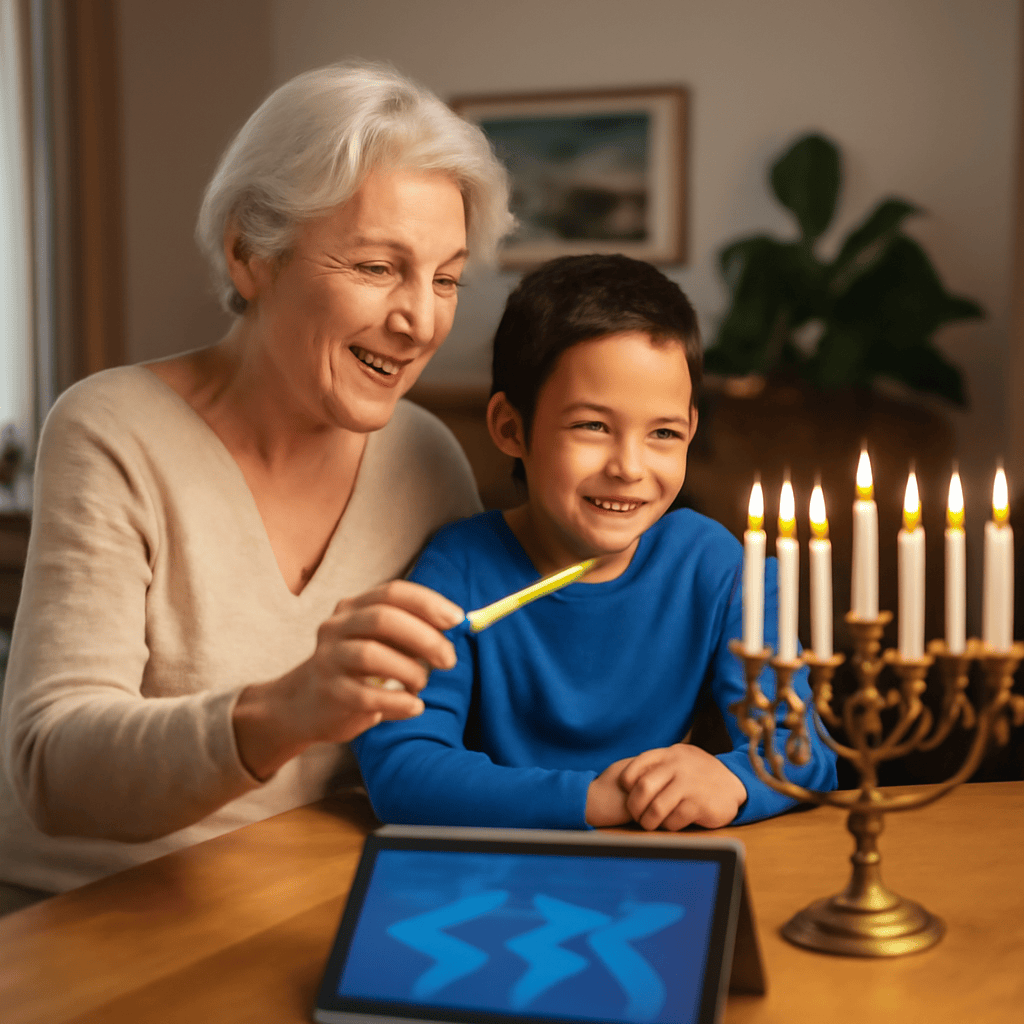
Why Family Traditions Abroad Are Important
If you as grandparents have connections abroad – whether through your own origins, relatives, or special experiences – you can give your grandchildren a valuable treasure: participation in these family traditions. These connections help your grandchildren better understand their own identity while experiencing the world as a diverse and enriching place.
Your grandchildren are growing up in a globalized world where cultural diversity plays a major role. When you show them how your family is connected to other countries and cultures, you give them tools that help them go through life openly and curiously. These connections can help your grandchildren understand themselves better while developing respect for other cultures.
Family traditions abroad are more than just memories – they are living connections to your family history. When you pass on these traditions to your grandchildren, you not only give them knowledge about the past but also a bridge to the future. Your grandchildren can continue these traditions and pass them on to their own children, keeping the connection alive across generations.
Strengthening Cultural Identity
If your family has roots abroad, you can help your grandchildren understand and appreciate their cultural identity. This identity is an important part of who they are, even if they may grow up in another country. Through participation in family traditions, your grandchildren can learn that they are part of a larger story and that their family has connections to various places and cultures.
Cultural identity does not mean that your grandchildren have to choose one culture – they can be part of multiple cultures. When you show them how different traditions come together, you help them develop a rich and diverse identity. This diversity is a strength that can help your grandchildren navigate different environments and be open to new experiences.
As grandparents, you can help your grandchildren understand that their cultural identity is something special worth nurturing and passing on. When you show them how important these connections are to you, you help them value these connections for themselves. This appreciation will help your grandchildren be proud of their heritage while remaining open to other cultures.
Keeping Family History Alive
Family traditions abroad are an important part of your family history. When you pass on these traditions to your grandchildren, you help them understand and appreciate your family's history. This history is not just the past – it is a living part of who your grandchildren are and where they come from.
Through participation in family traditions, your grandchildren can learn how your family has experienced different countries and cultures. They can hear stories about relatives who live or have lived abroad and understand how these connections have shaped the family. These stories help your grandchildren understand their own position in the family history and see how they are part of a larger story.
When you pass on family traditions, you not only give your grandchildren knowledge but also a connection to their family history. This connection can help your grandchildren understand themselves better while developing a sense of belonging. As grandparents, you can strengthen this connection by regularly talking about family history and practicing traditions together.
Passing on Traditions from Abroad
Passing on family traditions from abroad often begins with stories and memories. As grandparents, you have the opportunity to tell your grandchildren about your experiences and show them how these traditions are lived. This passing on is a process that takes time, but through your patience and commitment, you can help your grandchildren understand and appreciate these traditions.
It is important that you do not have to pass on everything at once. Start with the traditions that are most important to you and gradually expand your grandchildren's knowledge. Use natural opportunities to talk about traditions – for example, during festivals, while cooking, or on special occasions. These opportunities make the traditions tangible and help your grandchildren understand and experience them.
Passing on traditions should not be instructive but curious and open. Let your grandchildren ask questions and show interest in their thoughts and feelings. When you show that you value their curiosity and that it is okay to ask questions, you help your grandchildren develop a positive relationship with these traditions.
Sharing Stories and Memories
Stories are one of the best ways to pass on family traditions. Tell your grandchildren about your own experiences abroad, relatives who live there, or special moments you associate with these traditions. These stories bring the traditions to life and help your grandchildren imagine how these traditions are lived.
Also use photos, letters, or other mementos to illustrate your stories. When your grandchildren can see what you are describing, it becomes more tangible for them. Show them photos of relatives abroad, special places, or festivals celebrated there. These visual elements help your grandchildren better understand the traditions and connect with them.
Also let your grandchildren ask questions and share their own thoughts. When they are curious, encourage them to learn more. When they want to hear stories, tell them gladly. These conversations help your grandchildren not only understand the traditions but also strengthen the relationship between you and your grandchildren. By sharing stories, you create shared memories and connections that will accompany your grandchildren throughout their lives.
Language and Communication
If your family speaks another language or if you have connections to a country where another language is spoken, you can help your grandchildren learn this language or at least learn some words and phrases. Language is an important part of cultural identity, and when your grandchildren learn some words, they can better connect with the traditions.
You do not have to be a perfect language teacher – it is enough if you learn some words together, sing songs, or practice simple sentences. Make it playful and relaxed so your grandchildren have fun. When you show that you are still learning yourself or that it is okay to make mistakes, you help your grandchildren deal with the language in a relaxed way.
If you have relatives abroad, you can also use video calls to bring your grandchildren into contact with them. These contacts help your grandchildren not only hear the language but also get to know the people who live these traditions. These personal connections are more valuable than any language lesson and help your grandchildren experience the traditions as something living and personal.
Planning Joint Trips Abroad
One of the most beautiful ways to bring family traditions abroad closer to your grandchildren is a joint trip. If you have the opportunity to travel abroad with your grandchildren, you can let them experience the traditions directly. These trips create unforgettable memories and help your grandchildren understand the connections your family has to other countries.
A trip abroad does not have to be complicated or expensive. Even a short trip or a visit to relatives can help your grandchildren experience the traditions. It is important that you spend time together and that your grandchildren have the opportunity to experience the culture and traditions. These experiences will shape your grandchildren and help them understand the connections your family has to other countries.
When planning a trip, involve your grandchildren in the planning. Let them help decide what you want to see together and show them why certain places are important. This participation helps your grandchildren look forward to the trip while understanding what awaits them. When you show that their opinion matters, you also strengthen their connection to the traditions.
Travel Preparation with Grandchildren
Preparing for a trip can be just as important as the trip itself. Involve your grandchildren in the preparation and help them look forward to the trip. Show them maps, photos, or videos of the country you will visit and tell them what you will experience there. This preparation helps your grandchildren imagine what awaits them and makes the trip a shared adventure.
Also use the preparation to talk about the traditions you will experience there. Explain to your grandchildren which festivals are celebrated, which dishes are eaten, or which customs exist. When you show that you are curious yourself and looking forward to the trip, it will infect your grandchildren and make them curious too.
Pack the suitcases together and think about what you want to bring. Perhaps you can also prepare small gifts for relatives abroad or craft something together that you want to bring. These shared activities strengthen the anticipation and help your grandchildren prepare for the trip. When you show that the trip is something special planned together, you also strengthen the connection between you and your grandchildren.
Visiting Special Places
When you are abroad, visit special places connected to your family history together with your grandchildren. Perhaps there is the house where your family lived, a church or temple important to your family, or a marketplace where your family shopped. These places make the family history tangible and help your grandchildren imagine how your family lived there.
Even if you do not know exactly where your family lived, you can explore places typical of the culture together. Visit markets, museums, or cultural events that show how the traditions are lived. These experiences help your grandchildren understand the culture and connect with it.
It is important that you do not plan too much at once. Leave time for spontaneous discoveries and moments where you can simply enjoy the atmosphere together. When you show that it is okay to take time and enjoy things, you help your grandchildren travel relaxed and truly experience the experiences. This relaxed attitude makes the trip a positive experience that your grandchildren will want to repeat.
Traditional Festivals and Celebrations
Traditional festivals are an important part of cultural identity. When you celebrate festivals from abroad, you can help your grandchildren experience and understand these traditions. These festivals do not have to be celebrated exactly as they are abroad – it is important that you adapt the traditions to your situation and celebrate together.
When you celebrate festivals, actively involve your grandchildren. Let them help with the preparation, participate in the decoration, or assist in preparing the food. This participation helps your grandchildren connect with the festivals and experience them as something positive. When you show that their help is important, you also strengthen their connection to the traditions.
Festivals are also a good opportunity to tell stories and talk about the meaning of the traditions. Use these opportunities to explain to your grandchildren why certain festivals are celebrated and what they mean. These explanations help your grandchildren understand and appreciate the traditions and make the festivals something special that goes beyond the celebration itself.
Celebrating Festivals at Home
You do not have to travel abroad to celebrate traditional festivals. Many festivals can also be celebrated at home when you adapt the traditions to your situation. Perhaps you can celebrate a festival from abroad even if you cannot implement all elements exactly as they are celebrated abroad. It is important that you capture the essence of the traditions and celebrate together.
When you celebrate festivals at home, you can also invite relatives or friends who may have similar connections. These shared celebrations strengthen the connection to the traditions and help your grandchildren understand that they are part of a larger community. When you show that traditions are something lived together, you help your grandchildren experience these traditions as something positive and connecting.
Also use the opportunity to talk about the meaning of the festivals. Explain to your grandchildren why certain rituals are performed, which stories are associated with the festivals, or which values they convey. These explanations help your grandchildren understand and appreciate the traditions and make the festivals something special that goes beyond the celebration itself.
Preparing Traditional Dishes
Food is an important part of every culture, and traditional dishes can be a wonderful way to bring traditions closer to your grandchildren. When you prepare traditional dishes from abroad together, you can help your grandchildren experience the culture while spending valuable time together.
Involve your grandchildren in the preparation, even if they are still small. Let them help wash, cut, or mix ingredients. When you show that their help is important, you also strengthen their connection to the traditions. Tell stories about the dishes while doing so – where they come from, who traditionally prepared them, or what meaning they have.
When you cook together, you can also talk about the ingredients and explain why certain spices or ingredients are used. These conversations help your grandchildren understand the culture and connect with it. When you show that cooking is more than just preparing food – that it is a way to live traditions and share stories – you help your grandchildren appreciate these traditions.
Cultural Activities and Projects
In addition to festivals and travel, you can also use other cultural activities to bring traditions closer to your grandchildren. Crafts, art, music, or dance can be wonderful ways to experience the culture while being creative. These activities help your grandchildren experience the traditions in a playful and practical way.
It is important that you adapt the activities to your grandchildren's age and that you have fun together. You do not have to be experts – it is enough if you try something new together and experience the traditions while doing so. When you show that it is okay to make mistakes and that the process is more important than the result, you help your grandchildren stay relaxed and curious.
These activities can also be a good opportunity to talk about the meaning of the traditions. When you do something creative together, you can explain why certain techniques are used, which stories are associated with the activities, or which values they convey. These conversations help your grandchildren understand and appreciate the traditions.
Crafts and Art
If your family has connections to a country where certain craft techniques or art forms are traditional, you can try these together with your grandchildren. Perhaps there are weaving techniques, embroidery, pottery, or other crafts typical of the culture. These activities help your grandchildren experience the culture while being creative.
You do not have to be experts – it is enough if you learn something new together and experience the traditions while doing so. Use books, videos, or online resources to learn the techniques, or ask relatives abroad if they can help you. When you show that you are still learning yourself, you help your grandchildren deal with the activities in a relaxed way.
These activities can also be a good opportunity to talk about the meaning of the traditions. Explain to your grandchildren why certain techniques are used, which stories are associated with the crafts, or which values they convey. These conversations help your grandchildren understand and appreciate the traditions and make the activities something special that goes beyond the craft itself.
Music and Dance
Music and dance are universal languages that can connect people. If your family has connections to a country where certain music or dance forms are traditional, you can experience these together with your grandchildren. Listen to traditional music together, learn dances together, or sing songs together. These activities help your grandchildren experience the culture while having fun.
You do not have to be professional musicians or dancers – it is enough if you try something new together and experience the traditions while doing so. Use videos to learn dances, or listen to music together and sing along. When you show that it is okay to make mistakes and that fun is more important than perfection, you help your grandchildren stay relaxed and curious.
These activities can also be a good opportunity to talk about the meaning of music and dance. Explain to your grandchildren on which occasions certain songs are sung or dances are performed, which stories are associated with them, or which feelings they express. These conversations help your grandchildren understand and appreciate the traditions and make the music and dance something special that goes beyond the activity itself.
Creating Digital Connections
Even if you cannot travel abroad personally, you can use digital technologies to bring traditions closer to your grandchildren. Video calls, digital photo albums, or online resources can be wonderful ways to maintain connections and experience the traditions. These digital connections can be particularly valuable when personal meetings are not possible.
It is important that you use the digital connections regularly and that you see them as a supplement to personal contacts, not as a replacement. When you show that digital contacts are important but that personal encounters are particularly valuable, you help your grandchildren appreciate both forms of connection. This balance helps your grandchildren experience the traditions even when personal meetings are not always possible.
Also use the digital possibilities to experience something together. Perhaps you can watch a video together, browse through a digital photo album, or learn something online together. These shared activities strengthen the connection between you and your grandchildren and help them experience the traditions even when you are not together.
Video Calls with Relatives
If you have relatives abroad, video calls can be a wonderful way to bring your grandchildren into contact with them. These contacts help your grandchildren not only get to know the relatives but also hear the language and experience the traditions. These personal connections are more valuable than any story and help your grandchildren experience the traditions as something living and personal.
Plan regular video calls so your grandchildren have a continuous connection to the relatives. Perhaps you can also use special occasions to celebrate together – for example, birthdays or festivals. When you show that these contacts are important, you help your grandchildren appreciate them and look forward to them.
Also use the video calls to experience something together. Perhaps the relatives abroad can show something – for example, their home, a special place, or a traditional activity. These shared experiences strengthen the connection between your grandchildren and the relatives and help them understand and experience the traditions.
Creating Digital Photo Albums
Digital photo albums can be a wonderful way to document and share family history and traditions. Create digital photo albums together with your grandchildren that contain photos, stories, and memories. These albums help your grandchildren understand the connections while creating a lasting memory.
Involve your grandchildren in creating the albums. Let them select photos, write stories, or add comments. When you show that their participation is important, you also strengthen their connection to the traditions. These shared projects not only create memories but also an opportunity to experience and understand the traditions.
Also use the photo albums to regularly talk about the traditions. When you browse through the albums together, you can tell stories, answer questions, or add new information. These conversations help your grandchildren understand and appreciate the traditions and make the albums something living that is regularly used, not just something created once and then forgotten.
Building Long-Term Connections
Participation in family traditions abroad is not a one-time project but a long-term process. When you regularly talk about the traditions, practice them together, and maintain the connections, you help your grandchildren build a lasting relationship with these traditions. This relationship will accompany your grandchildren throughout their lives and help them understand and appreciate their cultural identity.
It is important that you are patient and that you do not have to pass on everything at once. The connections develop over time, and your grandchildren will understand and appreciate different aspects of the traditions in different phases of life. When you show that traditions are something continuously lived, you help your grandchildren see them as a natural part of their lives.
As grandparents, you can lay the foundation for these long-term connections. When you show your grandchildren how important the traditions are to you and help them experience and understand them, you give them tools they can use throughout their lives. These connections will not only enrich your grandchildren but also strengthen the relationship between you and your grandchildren and help you create valuable memories together.
Different Categories of Family Traditions
Steps for Travel Planning with Grandchildren
Digital Tools for Cultural Connections
Tips for Passing on Family Traditions
- Start with the traditions that are most important to you
- Use natural opportunities to talk about traditions
- Actively involve your grandchildren in the activities
- Be patient and take time for questions
- Tell stories and share memories
- Use photos, letters, or other mementos
- Celebrate festivals together, even if you have to adapt them
- Cook traditional dishes together
- Be curious and open to your grandchildren's questions
- Show that traditions are something living that is passed on
Ideas for Joint Trips Abroad
- Visit relatives abroad and spend time with them
- Explore places connected to your family history
- Visit markets, museums, or cultural events
- Participate in traditional festivals or celebrations
- Try local foods and dishes
- Learn some words of the local language together
- Take photos and create a travel diary
- Buy small souvenirs or gifts together
- Leave time for spontaneous discoveries
- Enjoy the shared time and new experiences
Signs That Grandchildren Are Developing a Connection to Traditions
- Grandchildren ask questions about traditions and family history
- They show interest in stories and memories
- They want to learn more about the culture and country
- They remember stories or experiences
- They want to practice or pass on traditions themselves
- They show pride in their cultural identity
- They want to meet or visit relatives abroad
- They are interested in the language or want to learn it