



What Does Blended Family Mean for Grandchildren?
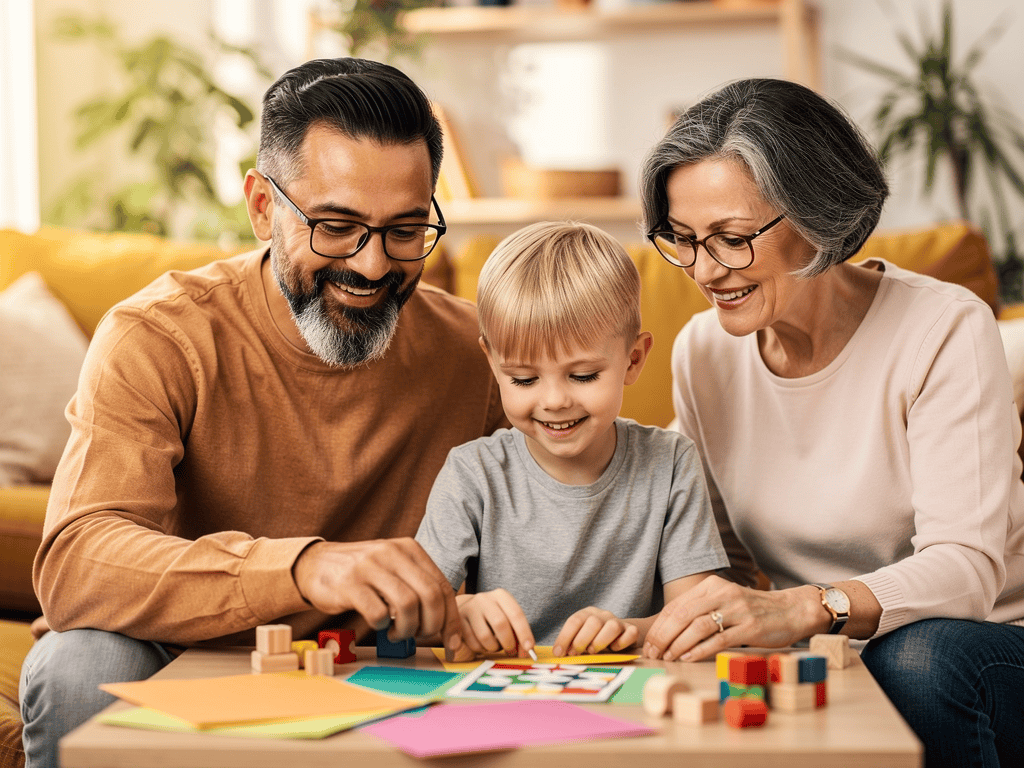
Blended families are a common reality today. When your grandchildren grow up in a blended family constellation, it means they have multiple caregivers, get to know different households, and sometimes have to switch between different family structures. As grandparents, you can play an important role in this situation by providing stability and security to your grandchildren.
For your grandchildren, a blended family often means they need to learn to navigate different environments, understand different rules and expectations, and sometimes deal with loyalty conflicts. These challenges can be stressful for children, but they can also be valuable experiences that make them resilient and adaptable people. As grandparents, you can help your grandchildren master these challenges by being a constant, reliable caregiver.
It is important that you understand that your grandchildren in a blended family often have more caregivers than in a traditional nuclear family. This can be enriching, but it can also be confusing. Your grandchildren need people who are there for them, who understand them, and who help them navigate this complex family structure. As grandparents, you can take on exactly this role and show your grandchildren that they are loved and valued, regardless of the family constellation.
Challenges for Grandchildren
Grandchildren in blended families face special challenges. They need to navigate different households, understand different rules and expectations, and sometimes deal with loyalty conflicts. When your grandchildren switch between different households, it can be exhausting and sometimes lead to confusion or insecurity. As grandparents, you can help your grandchildren by being a constant, reliable caregiver who is always there for them.
A particular challenge can be that your grandchildren sometimes feel they have to choose between different family members. They may want to do justice to both parents but sometimes feel torn. As grandparents, you can help your grandchildren by showing that it is okay to love all family members and that no one expects them to take sides. Your neutral attitude can help your grandchildren feel more secure.
Adapting to new family members can also be a challenge. When stepsiblings or stepparents join, your grandchildren need to learn to deal with new people and build new relationships. As grandparents, you can support this process by being open and appreciative with all family members and showing your grandchildren that it is okay to develop new relationships without neglecting existing ones.
Opportunities and Possibilities
Despite the challenges, a blended family also offers many opportunities for your grandchildren. They learn to deal with different people, get to know different perspectives, and be flexible. These skills will help them in life to deal with different situations and build strong, diverse relationships. As grandparents, you can help your grandchildren take advantage of these opportunities by encouraging and supporting them.
A blended family can also mean that your grandchildren have more caregivers who love and support them. Stepparents, stepsiblings, and other family members can play important roles in your grandchildren's lives and give them additional support and love. As grandparents, you can appreciate these extended relationships and show your grandchildren that it is wonderful to have many people who care for them.
The experience of growing up in a blended family can also make your grandchildren empathetic and tolerant people. They learn that families can look different and that is okay. They develop an understanding of different ways of life and learn to accept people even if they are different. As grandparents, you can support this development by being open and tolerant yourself and showing your grandchildren that diversity is enriching.
Neutrality as a Basic Attitude
As grandparents in a blended family, it is important to adopt a neutral attitude. Neutrality does not mean that you are indifferent or do not care, but that you appreciate all involved and do not take sides. This attitude is important for your grandchildren because it helps them feel safe and not feel they have to choose between different family members.
Neutrality also means that you do not judge other family members or make negative comments. Even if you may not agree with all decisions, it is important that you keep these opinions to yourself and do not express them in front of your grandchildren. Your grandchildren love all family members and it would burden them if they had to hear that someone they love is being criticized. Your neutral attitude helps your grandchildren feel safe and loved.
A neutral attitude also means that you treat all family members with respect. Whether it is the biological parents, stepparents, stepsiblings, or other family members – all deserve respect and appreciation. When you model this attitude, you show your grandchildren how to treat others respectfully, even if you may have different opinions. This lesson will help your grandchildren build strong and healthy relationships.
Why Neutrality is Important
Neutrality is important for your grandchildren because it helps them feel safe and loved. If you take sides or make negative comments about other family members, it can burden your grandchildren and make them feel they have to choose between different people. Your grandchildren love all family members and it is important that they feel that is okay.
Neutrality also helps avoid or de-escalate conflicts. When you adopt a neutral attitude, you are not drawn into disputes and can instead play a supportive role for your grandchildren. Your grandchildren need people who are there for them without having to worry that these people will get involved in conflicts. Your neutral attitude gives your grandchildren security.
Neutrality is also important for the relationship with your grandchildren. If you take sides, it can strain the relationship with other family members, which in turn can affect your grandchildren. When you remain neutral, you can maintain a positive relationship with all involved, which ultimately benefits your grandchildren. Your grandchildren benefit when you get along well with all family members.
Neutrality in Practice
Neutrality in practice means that you treat all family members equally and appreciate them. When you spend time with your grandchildren, you should not talk about other family members or make negative comments. Instead, you should focus on the positive time with your grandchildren and show them that you are there for them, regardless of the family constellation.
When your grandchildren report conflicts or difficulties, you should listen and support without taking sides. You can comfort your grandchildren and help them process their feelings without criticizing other family members. Your grandchildren need someone who is there for them and helps them deal with difficult situations without feeling they have to choose between different people.
Neutrality also means that you communicate respectfully with all family members. When you speak with parents, stepparents, or other family members, you should be polite and respectful, even if you may have different opinions. Your respectful attitude shows your grandchildren how to deal constructively with others, even in difficult situations.
Communication with All Involved
Good communication is important to support your grandchildren in a blended family. It is important that you stay in touch with all involved and that you communicate openly and respectfully. Through good communication, you can avoid misunderstandings and ensure that everyone is on the same page when it comes to your grandchildren's well-being.
Communication means not only that you exchange information, but also that you listen and understand the perspectives of others. When you speak with parents, stepparents, or other family members, you should be open to their viewpoints and try to understand what moves them. This openness helps build trust and develop a positive relationship with all involved.
It is also important that you communicate your own boundaries. You cannot be responsible for everything and it is important that you make clear what you can and cannot do. Through clear communication, you can set realistic expectations and avoid being overwhelmed. Your grandchildren benefit when you set healthy boundaries and take care of yourself.
Conversations with Parents
Conversations with your grandchildren's parents are important to stay informed and understand what is happening in the family. It is important that you speak regularly with the parents, but also that you are respectful and do not try to interfere in decisions that are not yours. Your role is to support, not to control.
When you speak with parents, you should be open and honest, but also respectful. You can express your concern for the grandchildren, but you should not try to criticize the parents or tell them what to do. Instead, you should ask how you can help and offer to provide your support. Your respectful attitude helps build a positive relationship.
It is also important that you respect the parents' decisions, even if you may not always agree with them. The parents are the primary caregivers for your grandchildren and it is important that you respect their authority. If you have concerns, you can express them respectfully, but ultimately the parents must make the decisions. Your support and respect help the parents fulfill their role well.
Communication with Stepparents
Stepparents can play an important role in your grandchildren's lives, and it is important that you build a positive relationship with them. When you communicate respectfully and openly with stepparents, you show your grandchildren that it is okay to develop new relationships and that all family members are appreciated. Your positive attitude helps your grandchildren feel more secure.
When you speak with stepparents, you should treat them as equal family members. You can ask how you can help and offer to provide your support. It is important that you do not try to undermine or criticize the stepparents' role, but that you recognize them as important caregivers for your grandchildren. Your respectful attitude helps build a positive relationship.
Even if it can sometimes be difficult to build a relationship with stepparents, it is important that you try. Your grandchildren benefit when all adults in their lives get along well. When you build a positive relationship with stepparents, you show your grandchildren that it is possible to work well together with new family members. This lesson will help your grandchildren build strong relationships.
Emotionally Supporting Grandchildren
Your grandchildren need emotional support, especially in a blended family where the situation can sometimes be complex and confusing. As grandparents, you can play an important role by being there for your grandchildren, taking their feelings seriously, and helping them deal with difficult situations. Your emotional support gives your grandchildren security and helps them feel loved and valued.
Emotional support means that you are there for your grandchildren when they need you. This can mean that you simply listen when they tell you about their worries or fears, or that you comfort them when they are sad or insecure. Your grandchildren need people who are there for them and help them process their feelings without feeling they have to choose between different people.
It is also important that you take your grandchildren's feelings seriously and do not try to minimize or ignore them. When your grandchildren report conflicts or difficulties, you should listen and help them process their feelings without taking sides. Your grandchildren need someone who understands their feelings and helps them deal with difficult situations.
Taking Feelings Seriously
It is important that you take your grandchildren's feelings seriously and do not try to minimize or ignore them. When your grandchildren report conflicts, fears, or insecurities, you should listen and help them process their feelings. Your grandchildren need someone who understands their feelings and helps them deal with difficult situations.
When your grandchildren report loyalty conflicts – for example, that they feel torn between different family members – you should help them understand and process these feelings. You can explain to them that it is okay to love all family members and that no one expects them to take sides. Your support helps your grandchildren feel more secure.
Even when your grandchildren express negative feelings – for example, anger, sadness, or confusion – you should take them seriously and not try to talk them away. Your grandchildren have the right to have their feelings, and it is important that they feel their feelings are heard and understood. Your support helps your grandchildren process their feelings and deal with difficult situations.
Providing Stability and Security
In a blended family, where the situation sometimes changes and where there are different households and caregivers, it is important that you provide stability and security to your grandchildren. As grandparents, you can be a constant, reliable caregiver who is always there for your grandchildren, regardless of changes in the family.
Stability means that you regularly spend time with your grandchildren and that you are reliable. Your grandchildren should know that they can rely on you and that you are always there for them. This reliability gives your grandchildren security and helps them feel loved and valued, even when other things in their lives change.
You can also provide stability through rituals and traditions. When you regularly do certain activities with your grandchildren – for example, cooking together, going for walks, or reading stories – you give your grandchildren something they can rely on. These rituals help your grandchildren feel safe and secure, even when other things in their lives change.
Adapting Rituals and Traditions
Rituals and traditions are important for children because they give them security and stability. In a blended family, however, it can sometimes be difficult to maintain existing rituals or create new ones. As grandparents, you can help by appreciating existing rituals while being open to new traditions that include all family members.
It is important that you are flexible and understand that rituals in a blended family sometimes need to change. Perhaps not all family members can participate in all rituals, or new rituals need to be created that include everyone. As grandparents, you can help by being open to changes and showing that it is okay to adapt traditions to include all family members.
You can also help create new rituals that include all family members. Perhaps you can develop new traditions together with your grandchildren and all involved that work for everyone. These new rituals can help create a positive atmosphere and give everyone the feeling that they belong. Your openness and flexibility help create an inclusive family culture.
Appreciating Existing Rituals
Existing rituals and traditions are important for your grandchildren because they give them security and stability. It is important that you appreciate and respect these rituals, even if the family constellation has changed. When you maintain existing rituals, you show your grandchildren that some things remain constant, even when other things change.
If possible, you should try to maintain existing rituals, even if the family constellation has changed. Perhaps you can find ways together with the parents and other family members to continue existing rituals, even if not all family members can participate. Your flexibility and commitment help preserve important traditions.
It is also important that you understand that some rituals may need to change to include all family members. When you are open to changes and show that it is okay to adapt traditions, you help your grandchildren deal with changes. Your openness shows your grandchildren that changes are not always bad, but can also offer opportunities.
Creating New Traditions
In a blended family, it can be important to create new traditions that include all family members. As grandparents, you can help by developing new rituals together with your grandchildren and all involved that work for everyone. These new traditions can help create a positive atmosphere and give everyone the feeling that they belong.
New traditions can be simple – for example, a shared weekend breakfast, a regular activity, or a special celebration that everyone celebrates together. It is important that all family members are included and that the tradition works for everyone. Your creativity and commitment help create new traditions that everyone appreciates.
When you create new traditions, you should also consider the wishes and needs of all family members. Perhaps you can think together with your grandchildren and all involved about which traditions could work for everyone. Your openness and commitment help create an inclusive family culture where everyone feels welcome.
Constructively Accompanying Conflicts
In blended families, conflicts can sometimes arise, and it is important that you as grandparents know how to constructively accompany these conflicts. Your role is not to take sides or resolve conflicts, but to support your grandchildren and help them deal with difficult situations. Your neutral and supportive attitude helps your grandchildren feel safe.
When conflicts arise, it is important that you do not try to resolve them or take sides. Instead, you should be there for your grandchildren, take their feelings seriously, and help them deal with the situation. Your grandchildren need someone who is there for them and helps them process their feelings without feeling they have to choose between different people.
You can also help by taking on a mediating role when appropriate. If all involved are open to it, you can help facilitate conversations and find solutions that work for everyone. However, it is important that you do not try to resolve conflicts if the involved parties do not want that, and that you respect your own boundaries.
Not Taking Sides
It is important that you do not take sides when conflicts arise. Your grandchildren love all family members and it would burden them if they felt you were taking one side. Your neutral attitude helps your grandchildren feel safe and not feel they have to choose between different people.
When conflicts arise, you should not try to judge who is right or who is to blame. Instead, you should be there for your grandchildren and help them deal with the situation. Your grandchildren need someone who is there for them and helps them process their feelings without feeling that someone they love is being criticized.
Even if it can sometimes be difficult to remain neutral, it is important for your grandchildren. If you take sides, it can strain the relationship with other family members, which in turn can affect your grandchildren. Your neutral attitude helps de-escalate conflicts and create a positive atmosphere for your grandchildren.
Mediation and Support
If all involved are open to it, you can take on a mediating role as grandparents and help facilitate conversations and find solutions. However, it is important that you do not try to resolve conflicts if the involved parties do not want that, and that you respect your own boundaries. Your role is to support, not to control.
When you mediate, you should be respectful and neutral. You can help facilitate conversations and understand different perspectives, but you should not try to push through a particular solution. Instead, you should help create an atmosphere where all involved can communicate openly with each other. Your supportive attitude helps find constructive solutions.
It is also important that you understand that not all conflicts can be resolved and that it is sometimes okay to simply be there for your grandchildren without trying to resolve the situation. Your grandchildren need someone who is there for them and helps them deal with difficult situations, even if these cannot be fully resolved. Your support is valuable, even if you cannot solve all problems.
Practical Tips for Everyday Life
In everyday life, there are many small things you can do to support your grandchildren in a blended family. It is important that you are there for your grandchildren, take their feelings seriously, and help them deal with difficult situations. Your support and love give your grandchildren security and help them feel loved and valued.
An important tip is that you should regularly spend time with your grandchildren. This time should be undivided and focus entirely on your grandchildren. When you regularly spend time with your grandchildren, you give them something they can rely on and show them that they are important. This reliability gives your grandchildren security and helps them feel loved.
It is also important that you are open to conversations and that you listen when your grandchildren tell you about their worries or fears. Your grandchildren need someone who is there for them and helps them process their feelings. When you listen and support, you show your grandchildren that their feelings are important and that they can rely on you.
Communication Strategies for Grandparents
Forms of Support for Grandchildren
Challenges and Solution Approaches
Tips for a Neutral Attitude
- Avoid negative comments about other family members
- Treat all family members with respect and appreciation
- Do not take sides, even if it is difficult
- Focus on your grandchildren's well-being
- Communicate respectfully with all involved
- Show your grandchildren that it is okay to love everyone
Ideas for Shared Rituals
- Regular shared meals or activities
- Cooking or baking together
- Weekly walks or outings
- Reading or storytelling together
- Celebrating traditional holidays together
- Creating new holidays that include everyone
Signs That Grandchildren Need Support
- Grandchildren seem sad or withdrawn
- They report conflicts or difficulties
- They express uncertainty or confusion
- They have difficulty navigating between households
- They show signs of stress or overwhelm
- They seek increased closeness and attention from you