



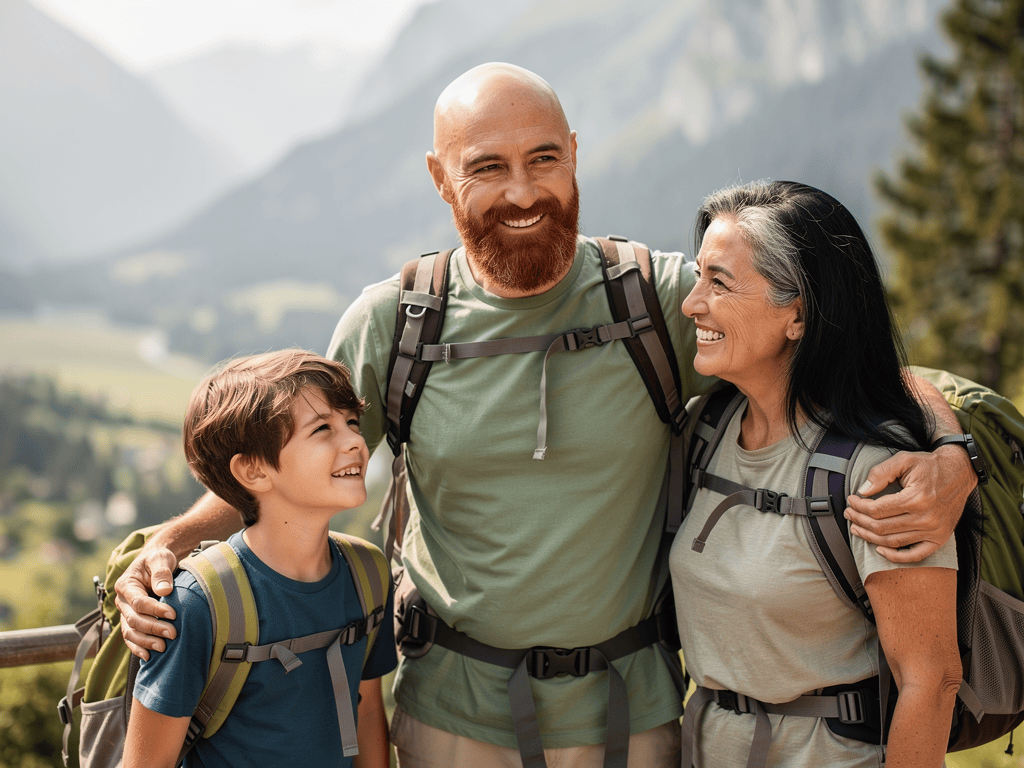
Why Travel Memories Are Important for Grandchildren
Shared travels with your grandchildren are special moments that remain unforgettable for both generations. These experiences not only create beautiful memories but also strengthen the bond between you and your grandchildren. When you collect and preserve these memories, you give your grandchildren something valuable for their life journey: the ability to relive and share these special moments again and again.
Travel memories also help your grandchildren understand their own family history. When you browse through photos, journals, or souvenirs together, you are not only telling about the trip but also about your relationship, your values, and what matters to you. These memories become an important part of your grandchildren's own identity and help them understand their roots.
Furthermore, travel memories can provide comfort and strength in difficult times. When your grandchildren are sad or feel lonely later, they can draw on these memories and remember how loved and valued they are. These memories are a gift that gains value over the years and shows your grandchildren how important they are to you.
Strengthening Emotional Connection
When you collect travel memories together with your grandchildren, you not only strengthen the memory itself but also the emotional connection between you. Browsing through photos together, telling stories, and remembering special moments creates closeness and trust. Your grandchildren learn that you not only spend time with them but that this time is also valuable and important.
These shared activities also help to have conversations and get to know each other better. When you talk about the trip together, you learn more about your grandchildren's thoughts and feelings, and your grandchildren learn more about you. These conversations are important for the relationship and help build a deep, lasting bond.
The emotional connection created by collecting travel memories also lasts over the years. When your grandchildren are adults, they will value these memories and remember how important they were to you. These memories are a sign of your love and care that will accompany your grandchildren throughout their lives.
Preserving Family History
Travel memories are an important part of your family history. When you collect and preserve these memories, you document not only the trips themselves but also the development of your relationship with your grandchildren. This documentation will be valuable for your grandchildren later when they want to understand their own family history.
By collecting travel memories, you can also pass on traditions and values. When you go through the memories together, you can explain why certain places are important, what stories are connected to them, and what these trips mean to you. This passing on of knowledge and values is an important part of your role as grandparents.
The family history you preserve through travel memories will also be important for future generations. Your grandchildren can later pass these memories on to their own children and thus keep the family history alive. In this way, you create something lasting that endures across generations.
Keeping Travel Journals Together
A travel journal is a wonderful way to collect and preserve memories of shared travels. When you keep a journal together with your grandchildren, you not only create a written documentation of the trip but also a shared activity that is fun and strengthens the bond. A travel journal can contain everything: texts, drawings, photos, tickets, postcards, and much more.
Keeping a travel journal also helps to experience the trip more consciously. When you think together every day about what you experienced and what you want to write down, you and your grandchildren will perceive the moments more intensely. This conscious engagement with the experiences makes the trip even more valuable and the memories even more vivid.
A travel journal is also a creative activity that your grandchildren enjoy. Younger grandchildren can draw or paint, older ones can write or paste photos. This creative activity makes the travel memories even more personal and valuable. When you browse through the journal together later, you will not only relive the memories but also the joy you had while creating it.
Daily Entries During the Trip
Try to make an entry in the journal every day during the trip. It doesn't have to be long or detailed – even short notes or bullet points are enough. What matters is that you capture the most important experiences of the day: What did you see? What did you do? What was particularly beautiful or funny?
Also let your grandchildren write down or draw their own thoughts and experiences. Everyone can contribute their own perspective, creating a multifaceted picture of the trip. These different perspectives make the journal particularly interesting and show how differently people can perceive the same experiences.
Don't forget to also capture small details: the weather, the food, special encounters, or funny moments. These details will be important later when you want to relive the memories. Tickets, postcards, or other small mementos can also be pasted into the journal and make it even more vivid.
Writing and Designing Together
The travel journal should be a shared activity in which both you and your grandchildren are involved. Write together, exchange ideas, and inspire each other. This shared activity is not only fun but also strengthens the relationship and creates beautiful memories of the time you spent together with the journal.
Also let your grandchildren design the journal: they can draw, paint, paste photos, or add other creative elements. This creative freedom makes the journal something personal and special. Younger grandchildren may not be able to write much yet, but they can draw or paint what they experienced.
When you design the journal together, something unique is created that reflects the personality of all participants. This shared work will be valuable later when you browse through it together and remember the trip. The different handwriting, drawings, and perspectives make the journal a living document of your shared trip.
Systematically Collecting Photos and Videos
Photos and videos are one of the most important ways to collect travel memories. They can capture moments that are hard to describe in words and make the memories vivid and tangible. When you systematically take photos and videos during the trip, you create comprehensive documentation that you can view again and again later.
It is important that you not only photograph the sights but also the small, everyday moments: the shared breakfast, the laughter, the conversations, the discoveries. These moments are often the most valuable memories, even if they may seem less spectacular at first glance. Your grandchildren will remember these personal moments especially later.
Try to also involve your grandchildren in taking photos and videos. Let them take photos themselves or make videos. This way they learn to see and document the world from their own perspective. These photos and videos will be especially valuable later because they show what your grandchildren found important and how they experienced the trip.
Organizing Photos During the Trip
Try to organize the photos already during the trip so that you don't face an unmanageable amount of pictures later. You can go through the photos daily, select the best ones, and perhaps already create first albums or folders. This organization makes it much easier later to sort and present the memories.
Also label the photos, if possible, with date, location, and short descriptions. This information will be important later when you want to relive the memories. You can also ask your grandchildren what they see in the photos or what they associate with them, and note these thoughts.
If you take digital photos, you should regularly create backups so that no memories are lost. You can store the photos on different devices or save them in the cloud. This precaution is important to ensure that your valuable memories are preserved even in case of technical problems.
Videos of Special Moments
Videos can make memories even more vivid than photos because they can capture movement, sounds, and moods. Try to make short videos of special moments: the first view of the sea, the shared laughter, discovering new places. These videos will be especially valuable later because they capture the atmosphere and emotions of the trip.
Also let your grandchildren make videos. They can record their own perspectives and thoughts, and these videos will later show how they experienced the trip. These personal videos are unique and valuable because they show the world through your grandchildren's eyes.
Try not to make the videos too long – short clips of a few minutes are often more effective than long recordings. You can later combine several short videos into a larger film if you want. What matters is that the videos capture the most important moments and emotions.
Collecting Souvenirs and Mementos
Souvenirs and mementos are another important way to collect travel memories. These objects can later serve as anchor points for memories and help relive the trip. When you choose souvenirs together with your grandchildren, you not only create mementos but also a shared activity that is fun.
It is important that you not only collect typical tourist souvenirs but also objects that have personal meaning. Perhaps it's a shell you found on the beach, a stone with a special shape, or a small artwork you liked. These personal mementos are often more valuable than expensive souvenirs.
Also document the souvenirs: note where they come from, what they mean, and what memories are connected to them. This documentation makes the souvenirs even more valuable later because they are not just objects but also contain stories and memories. When you look at the souvenirs together later, you can tell the stories associated with them.
Choosing Meaningful Souvenirs
When choosing souvenirs, you should make sure they have personal meaning. Ask yourself and your grandchildren: What makes this souvenir special? What memory is connected to it? A souvenir that has a story is more valuable than one that just looks nice.
Also let your grandchildren choose their own souvenirs. They may have different preferences than you, and their choices show what matters to them. These personal souvenirs will be especially valuable later because they reflect your grandchildren's personality and interests.
Try not to collect too many souvenirs – quality is more important than quantity. A few well-chosen, meaningful mementos are more valuable than a large collection of items that will only collect dust later. Choose souvenirs that really mean something to you and your grandchildren.
Documenting Mementos
Document the souvenirs and mementos you collect. You can take photos of them, make notes, or paste them into the travel journal. This documentation helps keep the memories alive and preserve the stories connected to the souvenirs.
Perhaps also create a small collection or "museum" of travel memories. You can store the souvenirs in a box or album and label them. This collection will be valuable later when you want to relive the memories together.
When documenting the mementos, you can also involve your grandchildren. Let them describe what they associate with the souvenirs or draw them. These personal contributions make the documentation even more valuable and show how your grandchildren experienced the trip.
Creating Digital Memories
In today's world, there are many digital ways to collect and preserve travel memories. Digital photo albums, online journals, or travel blogs can be a modern complement to traditional methods. These digital formats have the advantage of being easy to share and accessible from anywhere.
Digital memories can also be interactive: you can embed videos, add links to places, or create interactive maps. These possibilities make the memories more vivid and interesting, especially for younger grandchildren who have grown up with digital media. These formats can also help preserve the memories for future generations.
It is important that you also regularly back up and organize digital memories. Digital files can be lost if you don't regularly create backups. Try to store the digital memories on different devices or in the cloud so they are preserved even in case of technical problems.
Creating Digital Photo Albums
Digital photo albums are a modern and practical way to collect travel memories. You can organize photos, label them, and add text. These albums can be easily shared and are accessible from anywhere. You can also work on and design the albums together with your grandchildren.
Many digital platforms also offer the option to print albums or create them as books. This way you can also make physical mementos from the digital memories that you can browse through together. This combination of digital and physical formats makes the memories even more valuable.
When creating digital photo albums, you should also make sure they are well organized. Label the photos, add date and location, and organize them by theme or day. This organization makes it much easier later to find and enjoy the memories.
Travel Blogs or Online Journals
Travel blogs or online journals are another way to collect travel memories digitally. You can combine texts, photos, videos, and other content to create comprehensive documentation of the trip. These blogs can also be shared with family and friends so others can participate in the experiences.
If you keep a travel blog, you can also involve your grandchildren. Let them write their own posts or upload photos. This participation makes the blog a shared project and shows how differently you and your grandchildren experienced the trip. These different perspectives make the blog particularly interesting.
Travel blogs also have the advantage of being easily updated and expanded. You can add more memories later or revise the posts. This flexibility makes blogs a good choice for long-term projects that can grow over time.
Sharing Memories with Grandchildren
Collecting travel memories is only the first step – just as important is sharing these memories and enjoying them together. When you regularly go through the memories together, you keep the trip alive and strengthen the bond with your grandchildren. These shared moments are just as valuable as the trip itself.
When sharing the memories, you can also tell stories and add details that may not be captured in the photos or journals. These stories make the memories even more vivid and help your grandchildren better understand and appreciate the trip. The shared telling and listening also strengthens the relationship.
Also let your grandchildren share their own memories. Ask them what they found particularly beautiful, what surprised them, or what they would like to experience again. These conversations help to see the memories from different perspectives and understand how differently people can perceive the same experiences.
Going Through Memories Together
Plan regular times when you go through the travel memories together. This can be a cozy afternoon browsing through photo albums or an evening watching videos. These regular moments help keep the memories alive and strengthen the bond.
When you go through the memories together, you can also discover new details or remember things you may have forgotten. This shared engagement with the memories makes them even more valuable and shows how important the trip was for both of you.
Try to make these shared moments something special. Perhaps you can eat something delicious, sit together cozily, or create a special atmosphere. These small details make the moments even more beautiful and create new memories connected to the travel memories.
Telling and Passing On Stories
Stories are one of the most important ways to preserve and pass on memories. When you tell stories about the trip, you make the memories come alive and help your grandchildren better understand the trip. These stories can also be passed on later when your grandchildren have their own children.
Also let your grandchildren tell stories. They may have different memories or different perspectives, and these stories are just as valuable as your own. The shared telling and listening creates closeness and helps to see the memories from different angles.
Try to also write down or record the stories so they are not lost. You can enter them in the travel journal, write them in a separate storybook, or save them as an audio recording. This documentation helps preserve the stories for the future and be able to tell them later as well.
Long-term Storage and Organization
When you collect travel memories, it is important that you also store and organize them long-term. Good organization makes it much easier later to find and enjoy the memories. Try to sort the memories by trips, years, or themes so you can easily access them later.
For physical mementos such as photo albums, journals, or souvenirs, you should choose a safe, dry place where they are protected from moisture, sunlight, and other damage. You can also use special storage boxes or folders that protect the mementos. These precautions help preserve the memories for many years.
For digital memories, you should regularly create backups and store the files on different devices or in the cloud. Technology changes quickly, and file formats can become outdated. Try to store the memories in common formats and regularly check if they are still accessible. These precautions ensure that your valuable memories are preserved for the future.
Methods for Collecting Travel Memories
Tips for Organizing Travel Memories
Age-Appropriate Activities for Collecting Memories
Tips for a Successful Travel Journal
- Make short daily entries, even if they are just bullet points
- Write and design together with grandchildren
- Paste photos, tickets, and other mementos
- Also capture small details and everyday moments
- Let grandchildren contribute their own thoughts and perspectives
- Go through and supplement the journal together after the trip
Important Moments You Should Capture
- The first view of new places and sights
- Shared meals and conversations
- Funny and unexpected moments
- Discoveries and new experiences
- Emotional moments and special encounters
- Everyday but valuable moments of togetherness
Checklist for Long-term Storage
- Store physical mementos in a safe, dry place
- Regularly back up digital files and create backups
- Organize memories by trips, years, or themes
- Add labels and documentation
- Regularly check if all memories are still accessible
- Go through memories regularly together with grandchildren