



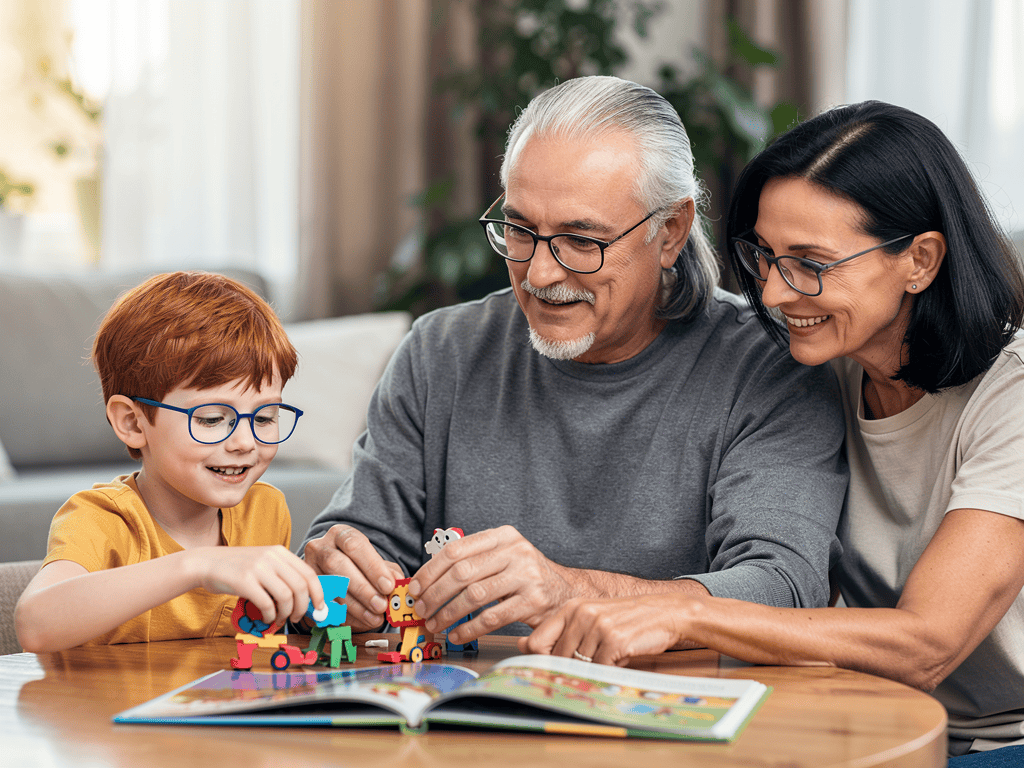
Why healthy joints are important in old age
As grandparents, you want to stay active for many years to come and experience beautiful moments with your grandchildren. Healthy joints are crucial for this, as they enable you to move freely, play with your grandchildren, and engage in shared activities. When you maintain and promote your joint health, you are not only doing something for yourself, but also for your grandchildren, who will benefit from your activity and presence for a long time.
Joint problems can significantly impair quality of life and make it difficult to cope with everyday life. However, if you pay attention to your joint health early and take appropriate measures, you can avoid or at least delay many joint problems. Your grandchildren will appreciate it when you stay active for a long time and can go for walks, play, or engage in other activities with them.
Joint health and quality of life
Healthy joints are the foundation for an active and fulfilling life in old age. They enable you to move freely without pain or limitations. When your joints are healthy, you can more easily complete everyday tasks, take care of yourself, and remain independent. This independence is not only important for you, but also for your grandchildren, who can rely on you being there for them.
Joint problems can lead to less movement, which in turn can lead to further health problems. However, if you stay active and keep your joints healthy, you can remain fit and mobile even in old age. Your grandchildren will notice when you can move freely and stay active with them for a long time. This shared activity not only strengthens your relationship with your grandchildren, but also your own health and well-being.
Maintaining activity with grandchildren
Your grandchildren love spending time with you and being active together. Whether walking, playing in the garden, shared outings, or other activities – healthy joints enable you to experience these valuable moments with your grandchildren. When you maintain your joint health, you can stay active for many years to come and create beautiful memories with your grandchildren.
Shared activities with your grandchildren are not only important for the relationship, but also for your own health. Movement keeps you fit, strengthens your muscles and joints, and improves your overall health. When you regularly engage in activities with your grandchildren, you are not only doing something for your relationship, but also for your own health. Your grandchildren will enjoy it when you stay active for a long time and can explore the world together with them.
Joint-friendly movement in everyday life
Movement is essential for healthy joints, but not every type of movement is equally good for the joints. Joint-friendly forms of movement are those that are gentle on the joints but still strengthen the muscles and maintain mobility. When you regularly perform joint-friendly movements, you can maintain and promote your joint health so you can stay active with your grandchildren for a long time.
It is important that you find forms of movement that bring you joy and that you can perform regularly. It is not about achieving peak performance, but about being regularly active and moving your joints. Your grandchildren will notice when you regularly move and stay active for a long time. This shared activity not only strengthens your health, but also your relationship with your grandchildren.
Gentle forms of movement
Gentle forms of movement such as walking, swimming, cycling, or Tai Chi are particularly joint-friendly. They do not excessively stress the joints, but still strengthen the muscles and improve mobility. When you regularly practice gentle forms of movement, you can maintain and promote your joint health without overloading your joints.
Many of these gentle forms of movement can also be practiced together with your grandchildren. Shared walks, bike rides, or swimming trips are not only good for your joints, but also for your relationship with your grandchildren. Your grandchildren will enjoy it when you are active together and explore the world. These shared activities create beautiful memories that will accompany both you and your grandchildren for a lifetime.
Regular movement
Regularity is more important than intensity. It is better to do 20-30 minutes of gentle movement daily than to do intensive sports once a week. Regular movement keeps your joints supple, strengthens the surrounding muscles, and improves blood circulation. When you are regularly active, you can maintain and promote your joint health in the long term.
Try to integrate movement into your daily life. Take the stairs instead of the elevator, walk short distances, or take regular walks. When you make movement a fixed part of your daily life, it will be easier for you to be regularly active. Your grandchildren will notice when you regularly move and stay active for a long time. This shared activity is not only good for your health, but also for your relationship with your grandchildren.
Shared activities with grandchildren
Shared activities with your grandchildren are not only important for the relationship, but also for your joint health. When you regularly engage in activities with your grandchildren, you automatically move more and keep your joints supple. Shared walks, playing in the garden, or other activities are not only good for your joints, but also for your relationship with your grandchildren.
It is important that you choose activities that bring joy to both you and your grandchildren. It is not about achieving peak performance, but about spending time together and being active. Your grandchildren will enjoy it when you are active together and explore the world. These shared activities not only create beautiful memories, but also keep your joints healthy and mobile.
Nutrition for healthy joints
A balanced diet plays an important role in joint health. Certain nutrients can help keep joints healthy and reduce inflammation. When you eat in a joint-friendly way, you can maintain and promote your joint health in the long term so you can stay active with your grandchildren for a long time.
It is not about following a strict diet, but about eating consciously and choosing foods that are good for your joints. When you eat healthily, you are not only doing something for your joints, but also for your overall health. Your grandchildren will appreciate it when you are healthy and active and can be there for them for a long time.
Joint-friendly foods
Certain foods are particularly good for joint health. Omega-3 fatty acids, which are found in fatty fish such as salmon or mackerel, can reduce inflammation and promote joint health. Nuts, seeds, and vegetable oils also contain healthy fats that are good for the joints. When you regularly integrate these foods into your diet, you can maintain and promote your joint health in the long term.
Fruits and vegetables are also important for joint health. They contain antioxidants that can reduce inflammation and vitamins that are important for joint health. When you regularly eat fruits and vegetables, you are not only doing something for your joints, but also for your overall health. Your grandchildren will notice when you are healthy and active and can be there for them for a long time.
Anti-inflammatory diet
Inflammation can worsen joint problems and cause pain. An anti-inflammatory diet can help reduce inflammation and promote joint health. Foods such as ginger, turmeric, berries, and green leafy vegetables have anti-inflammatory properties and can help reduce joint problems.
When you eat an anti-inflammatory diet, you can not only promote your joint health, but also improve your overall health. A healthy diet is important so you can stay active for a long time and experience beautiful moments with your grandchildren. Your grandchildren will appreciate it when you are healthy and active and can be there for them for a long time.
Sufficient fluids
Sufficient fluids are important for joint health. Joint cartilage consists largely of water, and adequate fluid intake helps keep joints supple. When you regularly drink enough, you can maintain and promote your joint health in the long term.
Try to drink at least 1.5 to 2 liters of fluid daily. Water is the best choice, but unsweetened teas or diluted fruit juices are also suitable. When you drink enough, you are not only doing something for your joints, but also for your overall health. Your grandchildren will notice when you are healthy and active and can be there for them for a long time.
Joint-friendly habits
Not only movement and nutrition are important for joint health, but also the way you move in everyday life. Joint-friendly habits can help relieve the joints and avoid joint problems. When you develop joint-friendly habits, you can maintain and promote your joint health in the long term so you can stay active with your grandchildren for a long time.
It is not about taking it easy or moving less, but about moving in a way that does not overload the joints. When you develop joint-friendly habits, you can stay active for a long time and experience beautiful moments with your grandchildren. Your grandchildren will appreciate it when you are healthy and active and can be there for them for a long time.
Correct posture
Correct posture is important for joint health. When you sit and stand upright, your joints are evenly loaded and not overloaded. Try to sit upright when sitting, keep your shoulders relaxed, and keep your back straight. When you regularly pay attention to your posture, you can maintain and promote your joint health in the long term.
An upright posture is also important when walking. Try to walk upright, keep your shoulders relaxed, and look forward. When you regularly pay attention to your posture, you can not only promote your joint health, but also improve your overall health. Your grandchildren will notice when you walk upright and confidently and stay active for a long time.
Joint-friendly lifting and carrying
When lifting and carrying objects, it is important to be gentle on the joints. Try to lift from your legs, not from your back, and keep the load close to your body. If you need to lift heavy objects, use aids such as a hand truck or ask for help. When you lift and carry in a joint-friendly way, you can avoid joint problems and maintain your joint health in the long term.
It is also important to proceed in a joint-friendly way when carrying your grandchildren. Try to carry your grandchild close to your body and distribute the load evenly. When you regularly pay attention to joint-friendly lifting and carrying, you can stay active for a long time and experience beautiful moments with your grandchildren. Your grandchildren will enjoy it when you can carry them for a long time and are active together.
Breaks and recovery
Breaks and recovery are important for joint health. When you regularly rest and take breaks, you give your joints time to recover and regenerate. Try to take breaks after strenuous activities and get enough rest. When you regularly take breaks, you can maintain and promote your joint health in the long term.
Adequate sleep is also important for joint health. During sleep, joints regenerate and the body can recover. Try to get enough sleep daily and develop a regular sleep rhythm. When you get enough sleep, you are not only doing something for your joints, but also for your overall health. Your grandchildren will notice when you are well-rested and energetic and can stay active for a long time.
Prevention of joint problems
Prevention is better than treatment. When you pay attention to your joint health early and take appropriate measures, you can avoid or at least delay many joint problems. When you act preventively, you can stay active for a long time and experience beautiful moments with your grandchildren.
It is not about being perfect or implementing all measures at once, but about developing healthy habits step by step. When you regularly pay attention to your joint health, you can stay healthy in the long term and stay active with your grandchildren for many years. Your grandchildren will appreciate it when you are healthy and active and can be there for them for a long time.
Recognizing early signs
Early signs of joint problems can be stiffness, pain, or swelling. When you recognize these signs early and respond to them, you can avoid or at least delay joint problems. Try to listen to your body and pay attention to signs that could indicate joint problems.
When you regularly pay attention to early signs, you can take measures in time and maintain your joint health in the long term. Your grandchildren will appreciate it when you are healthy and active and can be there for them for a long time. When you act early, you can stay active for many years and experience beautiful moments with your grandchildren.
Regular health checks
Regular health checks are important to recognize and treat joint problems early. Try to go to the doctor regularly and have your joint health checked. When you regularly have health checks, you can recognize joint problems early and take measures in time.
Even if you have no complaints, it is important to go to the doctor regularly and have your health checked. Prevention is better than treatment, and regular health checks can help recognize joint problems early. Your grandchildren will appreciate it when you are healthy and active and can be there for them for a long time.
Weight control
Overweight additionally stresses the joints and can lead to joint problems. When you keep your weight in the normal range, you can relieve your joints and avoid joint problems. Try to eat healthily and move regularly to control your weight.
When you control your weight, you are not only doing something for your joints, but also for your overall health. A healthy diet and regular movement are important so you can stay active for a long time and experience beautiful moments with your grandchildren. Your grandchildren will notice when you are healthy and active and can be there for them for a long time.
Joint exercises for home
Regular joint exercises can help keep joints supple and maintain mobility. They do not have to be complicated – simple exercises that you can do at home are enough. When you regularly do joint exercises, you can maintain and promote your joint health in the long term so you can stay active with your grandchildren for a long time.
It is important that you find exercises that bring you joy and that you can perform regularly. It is not about achieving peak performance, but about being regularly active and moving your joints. Your grandchildren can even support you and practice together with you – that makes it even more beautiful and motivating.
Exercises for knees and hips
Knees and hips are particularly important for mobility. Simple exercises such as leg raises while sitting, gentle squats, or leg swings can help keep knees and hips supple. Try to perform these exercises daily for 10-15 minutes. When you practice regularly, you can keep your knees and hips healthy and maintain your mobility.
You can also do these exercises together with your grandchildren. Practicing together is more fun and motivates both. Your grandchildren will enjoy it when you are active together and move. These shared exercises not only strengthen your health, but also your relationship with your grandchildren.
Exercises for shoulders and arms
Shoulders and arms are important for everyday activities such as dressing, cooking, or carrying. Simple exercises such as shoulder circles, arm raises, or gentle stretching exercises can help keep shoulders and arms supple. Try to perform these exercises daily for 10-15 minutes. When you practice regularly, you can keep your shoulders and arms healthy and maintain your mobility.
You can also do these exercises together with your grandchildren. Practicing together is more fun and motivates both. Your grandchildren will enjoy it when you are active together and move. These shared exercises not only strengthen your health, but also your relationship with your grandchildren.
Exercises for hands and fingers
Hands and fingers are important for everyday activities such as writing, cooking, or crafts. Simple exercises such as finger circles, making fists, or gentle stretching exercises can help keep hands and fingers supple. Try to perform these exercises daily for 5-10 minutes. When you practice regularly, you can keep your hands and fingers healthy and maintain your mobility.
You can also do these exercises together with your grandchildren, for example during shared crafting or playing. Practicing together is more fun and motivates both. Your grandchildren will enjoy it when you are active together and move. These shared activities not only strengthen your health, but also your relationship with your grandchildren.
Long-term benefits for grandparents and grandchildren
When you regularly pay attention to your joint health and take appropriate measures, you will experience many long-term benefits. You will stay healthier, be able to move better, and have more energy. These benefits not only benefit you, but also your grandchildren, who will benefit from your health and activity for a long time.
Your grandchildren will notice when you are healthy, active, and mobile. They will feel particularly comfortable in your presence and enjoy the shared time even more. When you regularly pay attention to your joint health, you create not only for yourself, but also for your grandchildren a better quality of life and beautiful memories that will last a lifetime.
Overview of joint-friendly forms of movement
Joint-friendly foods and their effects
Overview of joint exercises for home
Practical tips for healthy joints in everyday life
- Move at least 20-30 minutes daily, even if it is just a walk
- Integrate joint-friendly forms of movement such as swimming or cycling into your daily life
- Pay attention to a balanced diet with lots of fruits, vegetables, and healthy fats
- Drink enough water – at least 1.5 to 2 liters daily
- Avoid long sitting or standing in the same position
- Take regular breaks and move in between
- Pay attention to correct posture when sitting, standing, and walking
- Lift heavy objects from your legs, not from your back
- Carry your grandchildren close to your body and distribute the load evenly
- Regularly perform simple joint exercises at home
- Pay attention to early signs of joint problems and respond to them
- Go to the doctor regularly and have your joint health checked
Joint-friendly activities you can do together with your grandchildren
- Shared walks in nature or in the park
- Shared cycling on flat routes
- Shared swimming or splashing in the water
- Shared gardening in the garden or on the balcony
- Shared games in the garden such as tag or hide and seek
- Shared yoga or movement exercises
- Shared outings on foot to interesting places
- Shared dancing to music
- Shared craft activities that keep hands mobile
- Shared games that require movement
Early signs of joint problems you should pay attention to
- Stiffness in the joints, especially in the morning
- Pain in the joints during movement or stress
- Swelling or redness at the joints
- Limited mobility in the joints
- Cracking or grinding in the joints
- Feeling of weakness in the joints
- Feeling of warmth at the joints
- Difficulties with everyday activities such as dressing or climbing stairs