



Why politeness and respect are important
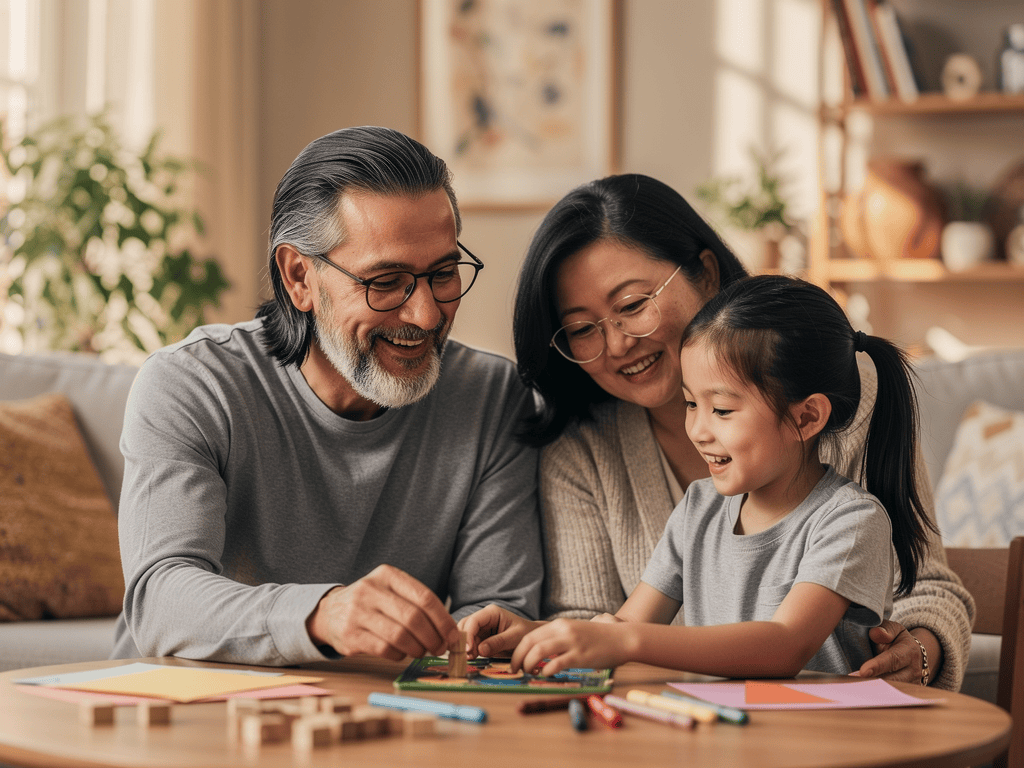
Politeness and respect are cornerstones of harmonious coexistence. As grandparents, you can teach your grandchildren these important values and give them tools for their entire lives. When you show your grandchildren how important respectful behavior is, you help them build strong relationships and act appropriately in every situation.
Your grandchildren will grow up in a world where politeness and respect sometimes take a back seat. When you teach them these values, you give them something valuable that will help them succeed both in personal relationships and in professional life. Respectful behavior opens doors and creates positive relationships that can last a lifetime.
When you teach your grandchildren politeness and respect, you are doing something for their future. These values help them get along well with other people, resolve conflicts constructively, and behave appropriately in every situation. Your grandchildren will thank you later when they realize how valuable these skills are.
Foundations for respectful interaction
Politeness and respect begin with small gestures: saying please and thank you, listening to others, being considerate. You can teach your grandchildren these basics early on by modeling them yourself and explaining them in a child-friendly way. When your grandchildren see how you interact with other people, they automatically learn what respectful behavior means.
It is important that you are not lecturing, but that you explore together with your grandchildren what politeness and respect mean. Ask your grandchildren how they would feel if someone were impolite to them, and explain why it is important to be friendly. This way, your grandchildren not only understand what they should do, but also why it is important.
The foundations for respectful interaction are laid in everyday life. When you are out with your grandchildren and help someone, when you are friendly to others, or when you simply listen when someone has something to say, you show your grandchildren what respectful behavior looks like. These small moments shape your grandchildren in a lasting way.
Long-term benefits for your grandchildren
When you teach your grandchildren politeness and respect, you give them skills that will help them throughout their lives. Respectful behavior helps build relationships, manage conflicts, and integrate into various social groups. Your grandchildren will find it easier to make friends and find their way in different situations.
Politeness and respect are also important in professional life. When your grandchildren are later in their professional lives, they will realize how valuable it is to treat others with respect. These skills help them succeed and build positive relationships with colleagues and supervisors. So you are doing something for your grandchildren's future when you teach them these values.
Last but not least, politeness and respect help your grandchildren be confident and happy. When your grandchildren know how to treat others with respect, they feel more secure in social situations and can express themselves better. This self-confidence will help them in many areas of life.
Modeling politeness and respect in everyday life
The best way to teach your grandchildren politeness and respect is to model these values yourself in everyday life. Children learn most through observation and imitation. When your grandchildren see how you treat others with respect, this shapes their own behavior in a lasting way.
You do not have to give big speeches to be a role model. Often it is the small gestures that impress most: when you say please and thank you, when you listen to others, when you are considerate, or when you simply are friendly. Your grandchildren observe exactly how you interact with other people and learn what politeness and respect mean.
When you model politeness and respect, you show your grandchildren that it is normal and important to be respectful. You show them that each of us has the opportunity to be friendly and respectful, even if it is sometimes difficult. These lessons will accompany your grandchildren throughout their lives and help them become respectful people.
Small gestures of politeness
Politeness begins with small gestures in everyday life. When you are out with your grandchildren and hold the door for someone, when you say please and thank you, or when you simply greet someone friendly, you show through your actions that politeness is normal. Explain to your grandchildren why you make these gestures and make it clear that it is important to be friendly.
You can also show politeness in public: when you wait in line, when you make room for others, or when you simply treat service staff with respect. It is important that you not only make the gestures, but also explain why you act this way. Your grandchildren learn not only what politeness is, but also why it is important.
Small gestures of politeness can also take place in the neighborhood or community. Perhaps you can go shopping together with your grandchildren for older neighbors or help organize a community event. Such activities show your grandchildren that politeness also means committing to the community and taking responsibility.
Respectful behavior in the family
You can also model politeness and respect within the family. When you treat family members with respect, when you listen when someone has something to say, or when you simply are friendly, you show your grandchildren that politeness is also important in your own family. Your grandchildren learn that respectful behavior applies not only to strangers, but also to the people you love.
At the same time, you can show your grandchildren that politeness and respect also mean respecting your own boundaries and not tolerating everything. Show that it is important to stand up for yourself, but also that you can do this respectfully. This balance between caring for others and self-protection is an important aspect of politeness and respect.
In the family, you can also show how to resolve conflicts fairly and respectfully. When you stay calm in conflict situations, listen, and look for solutions, you show your grandchildren that politeness and respect also mean approaching difficult situations constructively. This ability will help your grandchildren deal with conflicts outside the family as well.
Finding child-friendly explanations
In addition to modeling, it is important to actively talk with your grandchildren about politeness and respect. Use situations in everyday life to address the topic and explain to your grandchildren what politeness and respect mean and why they are important. Be patient and take time for questions and discussions.
Conversations about politeness and respect should not be lecturing, but open and curious. Listen to what your grandchildren think and feel, and try to understand their perspective. When you show that you take their opinion seriously and that there are different ways to be respectful, you help your grandchildren develop their own attitude.
Regular conversations about politeness and respect help your grandchildren understand and internalize the topic. When you keep coming back to the topic and discuss it in different contexts, it becomes a natural part of your grandchildren's thinking and actions. These conversations are an important complement to modeling and help your grandchildren truly understand politeness and respect.
Using age-appropriate language
The way you talk about politeness and respect should be adapted to your grandchildren's age. For younger children, you can use simple explanations: "Politeness means being friendly to others and saying please and thank you." For older children and teenagers, you can have more complex conversations about respect, empathy, and the importance of respectful behavior in various situations.
It is important that you do not create fear, but encourage. Explain that politeness and respect are not complicated, but that it is about being friendly and respectful. For younger children, this might mean simply saying please and thank you. For older children, it might mean respecting others' feelings or staying respectful in conflict situations. Adapt your explanations to your grandchildren's age and maturity.
With younger children, you can also use stories and examples to explain politeness and respect. Tell about situations where people treated each other with respect and explain why that was important. For older children, you can also talk about more complex topics, such as the importance of respect in different cultures or the responsibility we all have for respectful interaction.
Using examples from everyday life
Use situations from everyday life to talk about politeness and respect. When you are out together and someone is friendly or impolite, you can use this as an opportunity to ask: "How would you feel in this situation?" When you witness respectful or impolite behavior in everyday life, point it out and explain what just happened.
Stories from your own life can also be helpful. Tell about situations where you showed politeness and respect, or about situations where you would have liked to be more respectful. Also share your thoughts and feelings: "I was unsure, but I knew it was important to be friendly." Such stories make politeness and respect tangible and show that adults are sometimes unsure too, but still do the right thing.
When your grandchildren themselves experience situations where politeness and respect are needed, use these as conversation starters. Ask what happened, how they felt, and what they did. Listen without judging and help them reflect on their experiences. Such conversations help your grandchildren learn from their own experiences and develop their ability for politeness and respect.
Having conversations about politeness and respect
As grandparents, you can actively have conversations with your grandchildren about politeness and respect. These conversations should be open and curious, not lecturing. Ask your grandchildren what they think about politeness and respect, and listen to what they have to say. Show that you take their opinion seriously and that there are different ways to be respectful.
It is important that you not only talk, but also listen. When your grandchildren have questions or are unsure, take time to answer them. When they report situations where politeness and respect were needed, listen and help them reflect on their experiences. These conversations help your grandchildren understand and internalize politeness and respect.
Regular conversations about politeness and respect help your grandchildren understand and internalize the topic. When you keep coming back to the topic and discuss it in different contexts, it becomes a natural part of your grandchildren's thinking and actions. These conversations are an important complement to modeling and help your grandchildren truly understand politeness and respect.
Open conversations without lecturing
Conversations about politeness and respect should be open and curious, not lecturing. Ask your grandchildren what they think about politeness and respect, and listen to what they have to say. Show that you take their opinion seriously and that there are different ways to be respectful. When you are open, you help your grandchildren develop their own attitude.
It is important that you not only talk, but also listen. When your grandchildren have questions or are unsure, take time to answer them. When they report situations where politeness and respect were needed, listen and help them reflect on their experiences. These conversations help your grandchildren understand and internalize politeness and respect.
Avoid lecturing or preaching. Instead, you should explore together with your grandchildren what politeness and respect mean. Ask what they think and listen to what they have to say. When you are open and curious, you help your grandchildren develop their own attitude and truly understand politeness and respect.
Developing rules together
You can develop rules for respectful behavior together with your grandchildren. Ask your grandchildren which rules they consider important and discuss together why certain rules are important. When your grandchildren are involved in developing the rules, they are more likely to follow them and understand why they are important.
It is important that the rules are not too strict or too many. Focus on the most important rules, such as saying please and thank you, listening to others, or being considerate. When the rules are clear and understandable, your grandchildren can follow them more easily. Also explain why certain rules are important so that your grandchildren understand what is behind them.
When you develop rules together, you show your grandchildren that their opinion matters and that they are involved in decisions. This helps your grandchildren take responsibility and understand why certain rules are important. This joint development of rules also strengthens the relationship between you and your grandchildren.
Teaching manners playfully
In addition to conversations and modeling, you can also use playful methods to teach your grandchildren politeness and respect. Role plays, stories, or joint activities can help make the topic tangible and give your grandchildren the opportunity to play through various situations and practice how they could respond respectfully.
Such activities should be playful and relaxed so that your grandchildren have fun while learning. It is important that you are not lecturing, but that you explore together with your grandchildren what politeness and respect mean and how they can be shown. Use the time with your grandchildren to grow and learn together.
Playful activities also help your grandchildren develop self-confidence. When they can practice in a safe environment how they would respond respectfully in various situations, they feel better prepared when they actually encounter such situations. These exercises can help your grandchildren become more respectful and develop their ability for politeness and respect.
Role plays and stories
Role plays can be a good way to play through various situations where politeness and respect are needed. Think together with your grandchildren about situations where someone is respectful or impolite, and play through how one might respond. This can help reduce uncertainties and explore various courses of action.
Stories – whether from books, movies, or from your own life – can also be helpful. Read together stories where people treat each other with respect and talk about what happened and what the people did. Ask your grandchildren what they would do in similar situations and listen to what they have to say. Such conversations can help make politeness and respect tangible and explore different perspectives.
When you play role plays, you can also try out different roles. Let your grandchildren once be the person who is respectful, once the person who is impolite, and once the person who is a witness. This helps your grandchildren understand different perspectives and develop empathy. Such exercises make politeness and respect tangible and help your grandchildren better imagine how they would react in various situations.
Joint activities
Joint activities where you and your grandchildren practice respectful behavior can be a good way to experience politeness and respect practically. Perhaps you can go shopping together for older people in the neighborhood, help organize a community event, or simply spend time together and treat each other with respect. Such activities show your grandchildren that politeness and respect also mean committing to others and taking responsibility.
It is important that the activities are age-appropriate and that your grandchildren can participate. Let your grandchildren help decide what you want to do together and show that their ideas and participation are important. Through such shared experiences, your grandchildren not only learn what politeness and respect mean, but they also experience how it feels to be respectful and make a difference.
Joint activities can also help strengthen the relationship between you and your grandchildren. When you do something good together and treat each other with respect, you create positive memories and show your grandchildren that you are a team. These shared experiences will shape your grandchildren and help them see politeness and respect as something positive and important.
Dealing with difficult situations
Sometimes your grandchildren will be impolite or show disrespectful behavior. This is normal and part of the learning process. What matters is how you deal with such situations. When you are patient and explain why respectful behavior is important, you help your grandchildren learn from their mistakes and improve.
When your grandchildren are impolite, you should not scold or punish, but explain why respectful behavior is important. Ask your grandchildren how they would feel if someone were impolite to them, and help them develop empathy. When you are patient and explain, you help your grandchildren understand why politeness and respect are important.
It is also important that you do not overwhelm your grandchildren. When they are in a difficult situation or are tired, they may be impolite. Take their feelings seriously and help them understand their emotions and express them respectfully. When you are patient and show understanding, you help your grandchildren stay respectful even in difficult situations.
When grandchildren are impolite
When your grandchildren are impolite, you should not scold or punish, but explain why respectful behavior is important. Ask your grandchildren how they would feel if someone were impolite to them, and help them develop empathy. When you are patient and explain, you help your grandchildren understand why politeness and respect are important.
It is important that you do not overreact. When your grandchildren are occasionally impolite, this is normal and part of the learning process. Calmly explain why respectful behavior is important and show how it can be done better. When you are patient and do not overreact, you help your grandchildren learn from their mistakes and improve.
When your grandchildren are repeatedly impolite, you should think together about why this is. Perhaps they are tired, stressed, or have problems. Take their feelings seriously and help them understand their emotions and express them respectfully. When you are patient and show understanding, you help your grandchildren stay respectful even in difficult situations.
Showing patience and understanding
It is important to be patient when teaching your grandchildren politeness and respect. Children learn at their own pace, and it may take time for them to internalize these values. When you are patient and do not expect too much at once, you help your grandchildren learn and develop at their own pace.
It is also important that you show understanding when your grandchildren make mistakes. No one is perfect, and adults sometimes make mistakes too. When you show that mistakes are part of the learning process and that it is important to learn from them, you help your grandchildren not get discouraged and continue learning.
When you are patient and show understanding, you create a positive learning environment where your grandchildren feel safe to make mistakes and learn. This positive environment helps your grandchildren internalize politeness and respect and grow into respectful people.
Teaching respect for differences
An important aspect of respect is accepting and respecting differences. As grandparents, you can help your grandchildren understand that people are different and that this is okay. When you show your grandchildren how to treat people who are different from themselves with respect, you help them become tolerant and open people.
Respect for differences also means respecting different cultures, religions, or ways of life. When you show your grandchildren how to treat people who are different with respect, you help them develop an open and tolerant attitude. This attitude will help your grandchildren get along in a diverse world and build positive relationships with people from different backgrounds.
When you teach your grandchildren respect for differences, you are doing something for their future. In a globalized world, it is important to treat people from different cultures and backgrounds with respect. When your grandchildren develop this ability, they will find it easier to get along in various situations and build positive relationships.
Basic rules of politeness for different age groups
Signs that grandchildren are developing respect
Situations to practice politeness and respect
Tips for modeling politeness and respect
- Always say please and thank you, even in small situations
- Listen to others without interrupting
- Show consideration in everyday life, even when it is sometimes difficult
- Explain to your grandchildren why you do certain things
- Be patient and understanding, even when your grandchildren make mistakes
- Respect your grandchildren's feelings and boundaries
Conversation starters about politeness and respect
- "How would you feel if someone were impolite to you?"
- "Why is it important to say please and thank you?"
- "What does respect mean to you?"
- "How can we treat each other with respect?"
- "What would you do if someone were impolite to you?"
- "Why is it important to listen to others?"
Activities to practice politeness and respect
- Go shopping together for older neighbors
- Play role plays where politeness is practiced
- Read stories where people treat each other with respect
- Develop rules for respectful behavior together
- Help at community events and show politeness
- Talk together about situations where politeness was needed