



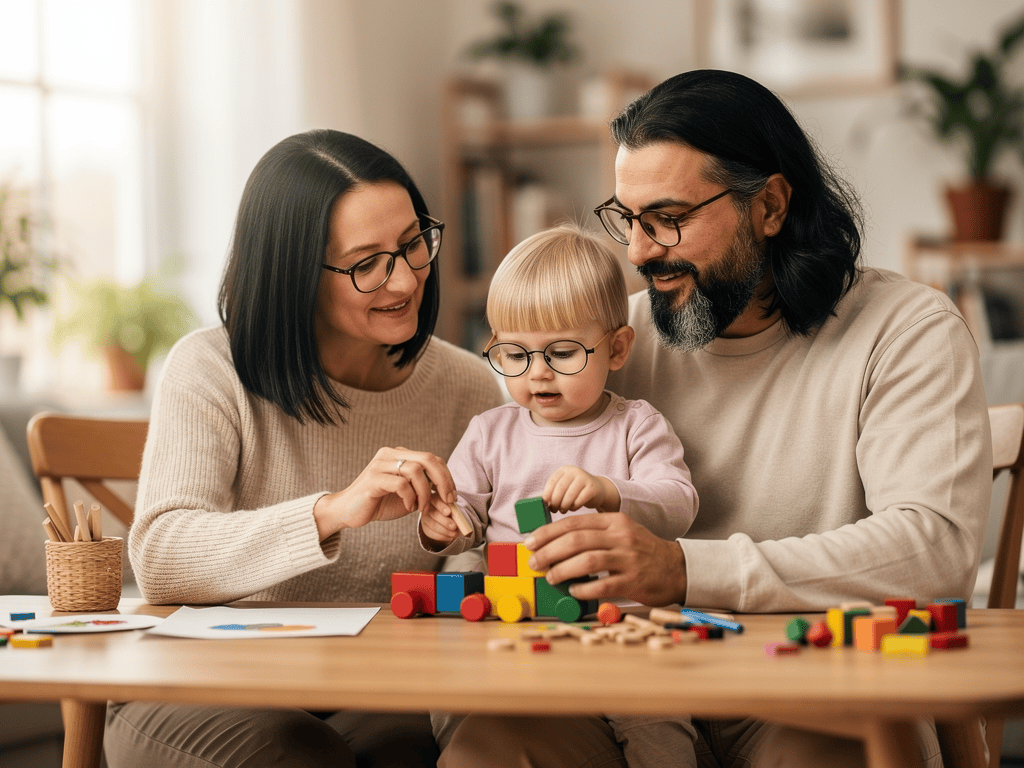
What is a patchwork family and what challenges exist?
A patchwork family is created when separated or divorced parents form new partnerships and merge their families. For your grandchildren, this often means major changes: new caregivers, new siblings, new living situations, and sometimes new conflicts. As grandparents, you can play a particularly important role in this situation by providing your grandchildren with stability and continuity.
Patchwork families are very common today and completely normal. However, the changes can be challenging for children and adolescents. Your grandchildren need to adapt to new family structures, learn to deal with stepparents and stepsiblings, and sometimes also cope with loyalty conflicts. As grandparents, you can help your grandchildren master these challenges by remaining a constant, reliable caregiver.
It is important that you understand that your grandchildren need particularly much support in this situation. They need to learn to navigate a more complex family structure and need people they can rely on. As grandparents, you can be this reliable constant that helps your grandchildren feel safe and loved, even when other things in their lives change.
Definition and structure
A patchwork family is a family in which at least one parent brings children from a previous relationship. This means that your grandchildren may have stepparents, stepsiblings, or half-siblings. This new family structure can be very enriching but also brings challenges, especially for children.
In patchwork families, there are often multiple households between which children move. Your grandchildren need to learn to navigate different environments and deal with different rules and expectations. As grandparents, you can help your grandchildren understand and cope with this complexity by remaining a stable, reliable caregiver.
It is important that you as grandparents understand that patchwork families are not "broken" families but simply a different form of family. Your grandchildren can grow up just as happily and well in patchwork families as in other family forms. Your task as grandparents is to support your grandchildren and show them that they are loved, regardless of the family structure.
Challenges for grandchildren
For your grandchildren, the new family structure can bring various challenges. They need to get used to new caregivers, learn to deal with stepsiblings, and sometimes also cope with loyalty conflicts. As grandparents, you can help your grandchildren master these challenges by being understanding and giving them space to express their feelings.
A particular challenge can be that your grandchildren need to move between different households. They need to learn to navigate different environments and deal with different rules and expectations. As grandparents, you can help your grandchildren by remaining a constant, reliable caregiver who is always there for them, regardless of which household they currently live in.
Sometimes conflicts can also arise between different family members. Your grandchildren can then find themselves in loyalty conflicts when they feel they need to choose between different caregivers. As grandparents, you can help your grandchildren by showing that it is okay to love all family members and that they do not need to choose.
The special role of grandparents in patchwork families
As grandparents in a patchwork family, you have a particularly important role. You can provide your grandchildren with stability, continuity, and unconditional love, even when the family structure changes. Your grandchildren can rely on you, regardless of what happens in other parts of the family.
Your role as grandparents is particularly valuable because you can take a neutral position. You do not need to take sides in conflicts between parents or other family members. Instead, you can focus entirely on the well-being of your grandchildren and show them that they are loved, regardless of the circumstances.
As grandparents, you can also be a bridge between different parts of the family. You can help maintain relationships and show that family is more than just the nuclear family. Your grandchildren can learn through you that family can be diverse and that there are many people who love and support them.
Providing stability and continuity
One of the most important tasks you have as grandparents in a patchwork family is to provide your grandchildren with stability and continuity. While other things in their lives change – new caregivers, new living situations, new rules – you can remain a constant, reliable caregiver. Your grandchildren can rely on you always being there for them, regardless of what happens.
Stability means not only that you are physically available but also that you are emotionally available. Your grandchildren need someone who listens to them, takes their feelings seriously, and shows them that they are loved. As grandparents, you can provide this emotional stability that helps your grandchildren feel safe and secure.
Continuity also means that you can maintain existing rituals and traditions. For example, if you always go for a walk with your grandchildren on Sundays or always have a special tradition on birthdays, you can maintain these rituals even in the new family structure. This continuity helps your grandchildren feel safe and familiar, even when other things change.
Taking a neutral position
As grandparents in a patchwork family, it is important that you take a neutral position. This does not mean that you should not stand up for your grandchildren, but that you should not take sides in conflicts between parents or other family members. Your task is to focus on the well-being of your grandchildren, not on the conflicts of adults.
A neutral position also means that you respect all family members, even if you may not get along equally well with everyone. Your grandchildren have the right to love all people in their family, and you can help them by showing that you respect everyone. This helps your grandchildren not feel they need to choose between different caregivers.
When there are conflicts, you can help your grandchildren by showing them that it is okay to have different feelings. You can help them understand that conflicts between adults are normal and that they have nothing to do with them. Your neutral position helps your grandchildren feel safe and know they can rely on you, regardless of what happens in other parts of the family.
Supporting grandchildren during family changes
When your grandchildren's family structure changes, they need particularly much support. As grandparents, you can help your grandchildren cope with these changes by being understanding, giving them space to express their feelings, and showing them that they are loved, regardless of the circumstances.
It is important that you take your grandchildren's feelings seriously. Your grandchildren can be sad, angry, confused, or anxious when their family changes. These feelings are completely normal and justified. As grandparents, you can help your grandchildren by showing them that it is okay to have these feelings and that you are there to support them.
Your support can also mean helping your grandchildren understand the new family structure. You can explain to them that patchwork families are normal and that many children grow up in similar situations. You can also help them understand that they are not to blame for the changes and that they are loved, regardless of the family structure.
Taking feelings seriously and giving space
When your grandchildren's family changes, they can have many different feelings: sadness, anger, confusion, fear, but also perhaps joy or excitement about new caregivers. As grandparents, it is important that you take all these feelings seriously and give your grandchildren space to express them.
Your grandchildren need someone who listens to them without judging or evaluating. They need someone who validates their feelings and shows them that it is okay to feel the way they feel. As grandparents, you can be this person who shows your grandchildren that their feelings are important and that they are heard.
Sometimes your grandchildren can also have conflicting feelings – for example, they can be sad about the parents' separation but also happy about new caregivers. This is completely normal and understandable. As grandparents, you can help your grandchildren understand and accept these conflicting feelings by showing that it is okay to have different feelings at the same time.
Promoting open communication
Open communication is particularly important in patchwork families. Your grandchildren need to feel that they can talk about everything that concerns them without fear of judgment or consequences. As grandparents, you can promote this open communication by regularly talking with your grandchildren and showing them that you are there for them.
It is important that you not only talk about problems but also about the positive aspects of the new family structure. Your grandchildren may have new siblings, new hobbies, or new experiences that they enjoy. As grandparents, you can highlight these positive aspects and help your grandchildren see the benefits of the new situation.
Open communication also means that you are honest when you do not know something or when you are uncertain. Your grandchildren appreciate honesty and openness, and it helps them understand that adults are sometimes uncertain too. When you are honest, you show your grandchildren that it is okay to ask questions and ask for help.
Maintaining relationships with all family members
In patchwork families, it is important that you as grandparents maintain relationships with all family members, including stepparents, stepsiblings, and other new caregivers. Your grandchildren benefit when all adults in their lives treat each other respectfully and work together.
This does not mean that you need to be equally good friends with everyone, but it means that you are respectful and polite. Your grandchildren observe closely how you interact with others and learn how to treat different people respectfully. When you show that you respect everyone, you help your grandchildren not feel they need to choose between different caregivers.
Maintaining relationships also means that you invite and welcome everyone at family celebrations, birthdays, or other occasions. Your grandchildren appreciate it when all the people they love can come together, even if the family structure is complex. As grandparents, you can promote these gatherings and show that family is more than just the nuclear family.
With stepparents and stepsiblings
Stepparents and stepsiblings are important people in your grandchildren's lives, even if they may not be biologically related. As grandparents, you can help your grandchildren build positive relationships with these new family members by being respectful and open yourself.
It is important that you do not see stepparents and stepsiblings as "replacements" or "competition" but as additional people who can love and support your grandchildren. When you respect and welcome these people, you show your grandchildren that it is okay to love them and that they do not need to choose between different caregivers.
You can also help promote relationships between your grandchildren and their stepsiblings by organizing joint activities or simply spending time together. Your grandchildren can learn through these relationships that family can be diverse and that there are many people who love and support them.
With both parents
In patchwork families, it is particularly important that you as grandparents maintain relationships with both parents of your grandchildren, even if they are separated. Your grandchildren need the support and love of both parents, and you can help strengthen these relationships.
This does not mean that you need to take sides, but that you respect and support both parents. Your grandchildren benefit when all adults in their lives work together and focus on their well-being. As grandparents, you can be a bridge that helps promote this cooperation.
When there are conflicts between parents, it is important that you remain neutral and focus on the well-being of your grandchildren. You do not need to be drawn into the conflicts of adults but can focus on helping your grandchildren cope with the situation. Your neutral position helps your grandchildren feel safe and know they can rely on you.
Rituals and traditions as anchors
Rituals and traditions are particularly important in patchwork families because they can provide your grandchildren with stability and continuity, even when other things in their lives change. As grandparents, you can maintain existing rituals and create new rituals that help your grandchildren feel safe and secure.
Existing rituals that you have with your grandchildren – for example, regular visits, shared meals, or special traditions on holidays – can also be maintained in the new family structure. This continuity helps your grandchildren feel safe and familiar, even when other things change.
You can also create new rituals that are specifically for the new family structure. Perhaps you can organize regular meetings with all family members or create special traditions that bring everyone together. These new rituals can help your grandchildren accept and enjoy the new family structure.
Maintaining existing rituals
Existing rituals that you have with your grandchildren are particularly valuable in patchwork families because they provide continuity and stability. For example, if you always go for a walk with your grandchildren on Sundays, have a special tradition on birthdays, or regularly cook together, you can maintain these rituals even in the new family structure.
This continuity helps your grandchildren feel safe and familiar, even when other things in their lives change. Your grandchildren can rely on certain things staying the same, even when the family structure changes. This reliability is particularly important for children who need to adapt to new situations.
When you maintain existing rituals, you also show your grandchildren that your relationship with them is important and that it does not change just because the family structure changes. Your grandchildren can rely on you always being there for them, regardless of what happens in other parts of the family.
Creating new rituals
You can also create new rituals that are specifically for the new family structure. Perhaps you can organize regular meetings with all family members – both biological and step-family members – or create special traditions that bring everyone together. These new rituals can help your grandchildren accept and enjoy the new family structure.
New rituals can also help strengthen relationships between different family members. For example, if you organize regular family meetings where everyone comes together, you can help create a sense of belonging. Your grandchildren can learn through these rituals that family is more than just the nuclear family and that there are many people who love and support them.
It is important that the new rituals are pleasant for everyone involved and that no one feels excluded. When you create rituals that welcome and include everyone, you help your grandchildren feel safe and secure in the new family structure. These rituals can also help reduce conflicts and create a positive family climate.
Dealing with conflicts and loyalty conflicts
In patchwork families, conflicts can arise, especially when it comes to loyalty conflicts. Your grandchildren may feel they need to choose between different caregivers, or they may feel guilty when they love certain people. As grandparents, you can help your grandchildren cope with these conflicts by showing that it is okay to love everyone.
Loyalty conflicts often arise when children feel they need to choose between different caregivers. Your grandchildren may, for example, feel that they cannot love both parents, or that they need to choose between biological and step-family members. As grandparents, you can help your grandchildren by showing that it is okay to love everyone and that they do not need to choose.
It is important that you as grandparents remain neutral and do not get drawn into conflicts between adults. Your task is to focus on the well-being of your grandchildren, not on the conflicts of adults. When you remain neutral, you help your grandchildren feel safe and know they can rely on you, regardless of what happens in other parts of the family.
Understanding loyalty conflicts
Loyalty conflicts arise when children feel they need to choose between different caregivers. In patchwork families, these conflicts can be particularly common because there are more caregivers and the family structure is more complex. As grandparents, you can help your grandchildren understand and cope with these conflicts.
Your grandchildren may, for example, feel that they cannot love both parents if they are separated, or that they need to choose between biological and step-family members. These feelings are completely normal and understandable, but they can be very stressful for children. As grandparents, you can help your grandchildren by showing that it is okay to love everyone and that they do not need to choose.
It is important that you take your grandchildren's feelings seriously and give them space to express them. Your grandchildren need someone who listens to them and helps them understand that their feelings are normal. As grandparents, you can be this person who shows your grandchildren that they are loved, regardless of their feelings or loyalties.
Maintaining neutrality
As grandparents in a patchwork family, it is important that you remain neutral and do not get drawn into conflicts between adults. Your task is to focus on the well-being of your grandchildren, not on the conflicts of adults. When you remain neutral, you help your grandchildren feel safe and know they can rely on you.
Neutrality does not mean that you should not stand up for your grandchildren, but that you should not take sides in conflicts between parents or other family members. You can help your grandchildren without interfering in the conflicts of adults. Your neutral position helps your grandchildren feel safe and know they can rely on you, regardless of what happens in other parts of the family.
When there are conflicts, you can help your grandchildren by showing them that conflicts between adults are normal and that they have nothing to do with them. You can help them understand that they are not to blame for the conflicts and that they are loved, regardless of the conflicts. Your neutral position helps your grandchildren feel safe and know they can rely on you.
Practical tips for everyday life
As grandparents in a patchwork family, there are many practical things you can do to support your grandchildren. It is important that you are understanding, regularly spend time with your grandchildren, and show them that you are there for them, regardless of the circumstances.
Try to maintain regular contact with your grandchildren, even if the family structure is complex. Your grandchildren appreciate it when you spend time with them, listen to them, and show them that you are there for them. These regular contacts help your grandchildren feel safe and loved.
It is also important that you are flexible and adapt to the new family structure. Perhaps you need to find new ways to spend time with your grandchildren or create new rituals that fit the new situation. When you are flexible, you show your grandchildren that you are willing to adapt and that your relationship with them is important.
Challenges for grandchildren in patchwork families
The role of grandparents in patchwork families
Rituals for patchwork families
Tips for supporting your grandchildren
- Take your grandchildren's feelings seriously and give them space to express them
- Remain a constant, reliable caregiver, even when other things change
- Maintain relationships with all family members, including stepparents and stepsiblings
- Keep existing rituals and create new rituals for the new family structure
- Remain neutral in conflicts between adults and focus on your grandchildren's well-being
- Promote open communication and show that you are there for your grandchildren
Signs that your grandchildren feel comfortable
- Your grandchildren speak openly about their feelings and experiences
- They show interest in all family members, including stepparents and stepsiblings
- They feel safe and secure in your presence
- They participate in rituals and traditions and enjoy time with you
- They show no signs of excessive stress or emotional burden
- They can talk about the new family structure without feeling uncomfortable
Warning signs that require attention
- Your grandchildren withdraw and no longer talk about their feelings
- They show signs of excessive stress or emotional burden
- They have difficulty building relationships with new family members
- They show behavioral problems or school problems
- They feel torn between different caregivers
- They show signs of depression or anxiety