



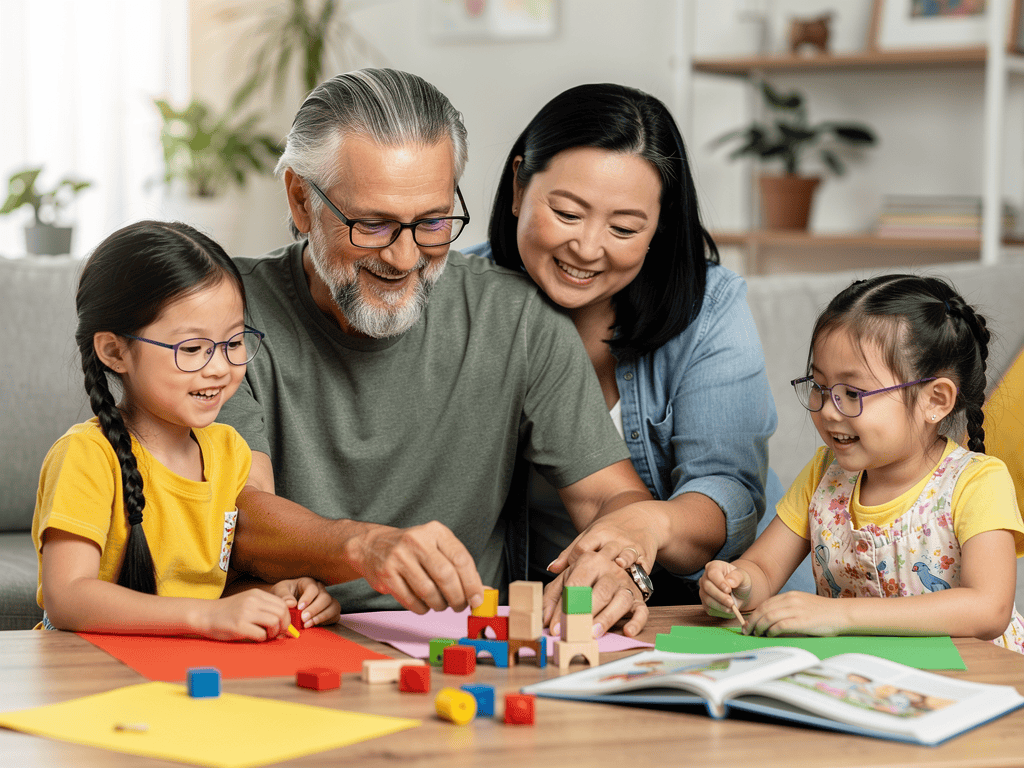
Why collecting is a wonderful shared activity
Collecting is an activity that connects generations and gives grandparents and grandchildren the opportunity to spend time together, learn, and create memories. When you as grandparents collect with your grandchildren, you not only give them a hobby, but also create valuable shared moments that your grandchildren will remember for the rest of their lives.
Collecting offers the opportunity to discover, learn, and marvel together. Your grandchildren can learn a lot from you – about history, nature, culture, or simply about the joy of small things. At the same time, you can learn from your grandchildren how they see the world and what interests them. This mutual enrichment makes shared collecting a special experience.
When you collect with your grandchildren, you also show them how important it is to appreciate and care for things. Your grandchildren learn to take responsibility, handle objects carefully, and understand the stories behind things. These values will accompany your grandchildren and help them to be mindful and responsible in other areas of their lives as well.
Sharing the joy of discovery
One of the most beautiful aspects of shared collecting is the joy of discovery. When you go on discovery tours with your grandchildren – whether at flea markets, in nature, or in stores – you experience together the moment when something special is found. These shared discoveries create special memories and strengthen the bond between you and your grandchildren.
The joy of discovery is contagious. When your grandchildren see how excited you are about a find, they will share that excitement. At the same time, you can experience your grandchildren's excitement about their own discoveries and share their joy. This shared joy makes collecting a special activity that connects grandparents and grandchildren.
When discovering together, you can also show your grandchildren how to look carefully, how to evaluate things, and how to understand the stories behind objects. These skills help your grandchildren not only in collecting, but also in other areas of their lives. They learn to be attentive, recognize details, and understand the meaning of things.
Creating shared memories
Every object in a shared collection tells a story – not only about the object itself, but also about the moment it was found, about the shared search, and about the joy you had. These stories become part of family history and create memories that will accompany your grandchildren for the rest of their lives.
When you collect together, you also create rituals and traditions that your grandchildren will appreciate. Perhaps you regularly go to flea markets, explore nature together, or visit certain stores. These regular activities become special moments that your grandchildren look forward to and that they can later pass on to their own children.
The shared collection also becomes a visible sign of your relationship with your grandchildren. Every time your grandchildren see the collection, they remember the shared moments you spent together. These memories are more valuable than the objects themselves and help strengthen the bond between you and your grandchildren.
Different types of collections
There are countless possibilities for what you can collect together with your grandchildren. From classic collections like stamps or coins to modern collections like figures or cards – the choice is vast. It is important to find something that interests both you and your grandchildren and that fits your budget and possibilities.
Classic collections like stamps or coins have the advantage of being educational and conveying history. Your grandchildren can learn a lot about different countries, cultures, and historical events. At the same time, these collections are often valuable and can become an investment that your grandchildren will appreciate later.
Modern collections like figures, cards, or other collectibles can be particularly interesting for younger grandchildren. These collections are often more accessible, cheaper, and offer many opportunities for shared activities. It is important that you decide together what you want to collect so that both of you enjoy it.
Stamps and coins
Stamps and coins are classic collectibles that connect generations and convey a lot of knowledge. When you collect stamps or coins with your grandchildren, you can help them learn about different countries, cultures, and historical events. Every stamp or coin tells a story and can be an occasion for interesting conversations.
Collecting stamps and coins also requires patience and care – qualities that you can pass on to your grandchildren. Your grandchildren learn how to handle objects carefully, how to catalog them, and how to research their history. These skills also help your grandchildren in other areas of their lives.
Stamps and coins can also be a valuable investment. When you build a collection together, you can show your grandchildren how to evaluate objects and how to maintain a collection. This knowledge can help your grandchildren later when they want to continue or expand their own collection.
Collecting natural materials
Collecting natural materials like stones, shells, leaves, or feathers is a wonderful way to spend time together in nature and learn something at the same time. When you collect natural materials with your grandchildren, you can help them better understand and appreciate nature. Every find can be an occasion to talk about nature, its diversity, and its importance.
Collecting natural materials is also budget-friendly and does not require large investments. You can take walks together, explore nature, and find interesting objects. These shared walks become special moments that your grandchildren will appreciate and help strengthen the connection to nature.
When you collect natural materials, you can also show how important it is to respect and protect nature. Your grandchildren learn that you should only collect what is allowed and that you must not harm nature. These values will accompany your grandchildren and help them to deal responsibly with the environment.
Modern collections
Modern collections like figures, cards, stickers, or other collectibles can be particularly interesting for younger grandchildren. These collections are often more accessible, cheaper, and offer many opportunities for shared activities. When you collect modern collectibles together, you can share your grandchildren's interests and show them that you take their hobbies seriously.
Modern collections also offer the opportunity to trade, barter, or negotiate together. Your grandchildren can learn how to trade fairly, how to assess values, and how to communicate with other collectors. These skills also help your grandchildren in other areas of their lives.
When you build modern collections together, you can also show how important it is to appreciate and care for things, regardless of their material value. Your grandchildren learn that the value of a collection is not only in money, but also in the memories, stories, and joy it brings.
Building a collection together
When you build a collection together with your grandchildren, it is important that you work together from the beginning and decide together how the collection should look. Let your grandchildren have a say in what is collected, how the collection is organized, and how it is presented. This participation makes the collection a shared project that both sides value.
When building a shared collection, it is also important to set realistic goals. Not every collection has to be large or valuable – what matters is that you enjoy it together. Set small, achievable goals and celebrate together when you achieve them. These successes strengthen motivation and make collecting a positive experience.
The organization of a shared collection should also be done together. Let your grandchildren help catalog, label, and organize the objects. These tasks help your grandchildren take responsibility and identify with the collection. At the same time, they learn important organizational skills.
Finding the right topic
Finding the right topic for a shared collection is the first important step. Talk to your grandchildren about their interests and think together about what you want to collect. Perhaps your grandchildren already have a hobby or interest that is suitable for a collection. Or perhaps you discover something new together that interests both of you.
It is important that the chosen topic interests both you and your grandchildren. If only one side is really enthusiastic, the shared collection will not bring joy for long. Take time to explore different possibilities and let your grandchildren contribute their ideas. The best collection is the one that really excites both sides.
When you have found the topic, you can research together what there is to collect, where you can find objects, and how to evaluate them. This shared research is an important part of collecting and helps your grandchildren learn how to find and evaluate information. At the same time, it strengthens the shared enthusiasm for the project.
Organization and storage
A well-organized collection is more enjoyable and easier to maintain. When you organize a collection together with your grandchildren, you can help them develop important organizational skills. Show them how to catalog objects, how to label them, and how to organize them. These skills also help your grandchildren in other areas of their lives.
The storage of the collection should be safe, clear, and accessible. Let your grandchildren help find suitable storage options and present the collection. Perhaps you can build a shelf together, organize boxes, or create an album. These shared projects make the collection something special and strengthen the bond between you and your grandchildren.
When you organize the collection, you can also show how important it is to maintain and protect things. Your grandchildren learn to handle objects carefully and protect them from damage. These values will accompany your grandchildren and help them to be mindful and responsible in other areas of their lives as well.
Sharing the collection with grandchildren
A shared collection is more than just a collection of objects – it is a shared project that connects grandparents and grandchildren. When you share your collection with your grandchildren, you not only give them access to the objects, but also to the stories, memories, and values associated with them. This passing on is an important part of shared collecting.
When you share your collection with your grandchildren, you can also show how important it is to appreciate and care for things. Your grandchildren learn to take responsibility and handle objects carefully. At the same time, you can show them how to continue and expand a collection so that they can enjoy it in the future as well.
Sharing a collection also means involving your grandchildren in decisions. Let them have a say in which objects are added, how the collection is organized, and how it is presented. This participation makes the collection a shared project and strengthens the bond between you and your grandchildren.
Telling stories about the objects
Every object in a collection has a story – about its origin, about the moment it was found, or about the people associated with it. When you share these stories with your grandchildren, you bring the collection to life and help your grandchildren understand the meaning of the objects. These stories become part of family history and create memories that will accompany your grandchildren for the rest of their lives.
Telling stories is also a way to pass on knowledge and values. When you talk about the origin of an object, you can help your grandchildren better understand history, culture, or nature. At the same time, you can convey values that are important to you through the stories – such as mindfulness, respect, or the joy of small things.
When you tell stories about the objects, you can also show how important it is to preserve and pass on memories. Your grandchildren learn that objects have not only material value, but also emotional and cultural significance. This realization helps your grandchildren appreciate things and understand that not everything can be measured by money.
Involving grandchildren in the collection
When you involve your grandchildren in the collection, you not only give them access to the objects, but also responsibility and participation. Let your grandchildren help organize, maintain, and expand the collection. These tasks help your grandchildren identify with the collection and take responsibility.
Involving your grandchildren also means taking their ideas and interests seriously. Let them have a say in which objects are added, how the collection is presented, and what activities are associated with it. This participation makes the collection a shared project and shows your grandchildren that their opinion matters.
When you involve your grandchildren, you can also show how important it is to work together and share responsibility. Your grandchildren learn that a collection is not just a collection of objects, but a shared project that needs care and attention. These values will accompany your grandchildren and help them to act responsibly in other areas of their lives as well.
Practical tips for collecting
When collecting together with your grandchildren, there are some practical aspects to consider that make collecting a positive experience. From choosing the right topic to organization to storage – with the right tips, you can build a collection that brings joy to both you and your grandchildren.
It is important that collecting does not become a burden, but remains a joy. Set realistic goals, take time for shared activities, and let your grandchildren have a say. If collecting becomes an obligation, it loses its appeal. What matters is that you have fun together and enjoy the shared time.
Practical tips can also help you avoid mistakes and organize the collection well from the start. If you create the right structure from the beginning, the collection will be easier to maintain and bring more joy in the long term. At the same time, you can show your grandchildren how important it is to do things right from the start.
Budget-friendly collections
Collecting does not have to be expensive. There are many ways to collect on a budget without losing the joy of collecting. Natural materials like stones, leaves, or feathers are free and offer many opportunities for shared activities. You can also find interesting objects at affordable prices at flea markets or in second-hand stores.
When you collect on a budget, you can also show your grandchildren that the value of a collection is not in money, but in the memories, stories, and joy it brings. Your grandchildren learn that you can collect beautiful things even with little money and that the fun of collecting is more important than the material value.
Budget-friendly collections also offer the opportunity to be creative and look for solutions together. Perhaps you can make storage options together, create objects yourself, or develop creative presentation forms. These shared projects make the collection something special and strengthen the bond between you and your grandchildren.
Storage and care
The right storage and care of a collection is important so that the objects remain preserved for a long time and bring joy. When you build a collection together with your grandchildren, you can help them learn how to store and care for objects properly. These skills also help your grandchildren in other areas of their lives.
Storage should be safe, clear, and accessible. Let your grandchildren help find suitable storage options and organize the collection. Perhaps you can design boxes, shelves, or albums together. These shared projects make the collection something special and show your grandchildren how important it is to maintain and protect things.
When you maintain the collection, you can also show how important it is to regularly take time for the collection. Your grandchildren learn that things that are important to you need attention and care. These values will accompany your grandchildren and help them to be mindful and responsible in other areas of their lives as well.
The collection as family heritage
A shared collection can become a valuable family heritage that connects generations and preserves stories. When you build a collection together with your grandchildren, you create not only a collection of objects, but also a piece of family history that your grandchildren can later pass on to their own children.
Seeing the collection as family heritage also means involving your grandchildren in responsibility. Let them understand that the collection is not only for them, but also for future generations. This responsibility helps your grandchildren understand the meaning of the collection and handle it carefully.
When you treat the collection as family heritage, you can also show how important it is to pass on memories and values. Your grandchildren learn that objects have not only material value, but also emotional and cultural significance. This realization helps your grandchildren appreciate things and understand that not everything can be measured by money. The collection becomes a visible sign of your relationship with your grandchildren and a heritage that connects generations.
Overview of different collection types
Methods for organizing collections
Budget-friendly collecting ideas
Tips for starting a shared collection
- Find a topic together that interests both of you
- Set realistic goals and plan together
- Get suitable storage options
- Plan regular time for shared activities
- Share the joy of discovery and celebrate together
- Tell and preserve stories about the objects
Places where you can collect together
- Flea markets and flea markets for interesting finds
- Nature walks for natural materials
- Museums and exhibitions for inspiration
- Stores and markets for special objects
- Online platforms for trading and exchange
- Family visits for special keepsakes
Values you can convey through collecting
- Mindfulness and care in handling objects
- Patience when building a collection
- Responsibility for care and organization
- Appreciation for things and their stories
- Joy in small things and discoveries
- Respect for history, culture, and nature