



Why is fall prevention important?
Falls are among the most common causes of accidents in old age and can have serious consequences. As grandparents, you want to stay active with your grandchildren for a long time, playing, going for walks and experiencing shared adventures. Through targeted fall prevention, you can significantly reduce the risk of falls and thus maintain your independence and quality of life.
Falls can not only lead to physical injuries, but also to a loss of self-confidence and joy in movement. If you feel insecure, you may tend to avoid activities that actually bring you joy. However, exercise is particularly important to stay fit and remain active with your grandchildren for a long time.
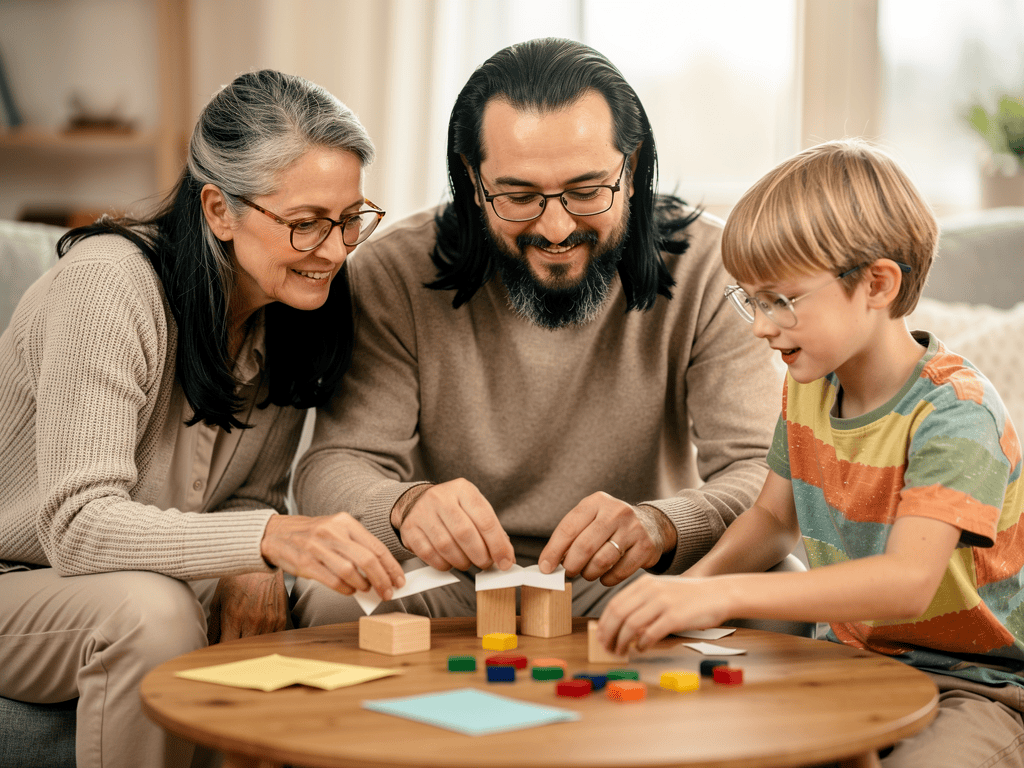
Your grandchildren benefit when you stay healthy and active. You can play, romp and discover new things together. Through fall prevention, you are not only investing in your own health, but also in the valuable time you can spend with your grandchildren. Every measure you take is a gift to your family.
Risks of falls in old age
As we age, the body changes: muscle strength decreases, balance can decline, and reaction speed becomes slower. These natural changes increase the risk of falls. In addition, there may be health limitations such as vision or hearing problems that can make orientation difficult.
Falls can lead to various injuries, from harmless bruises to serious fractures. Falls on the hip are particularly dangerous, as they often lead to lengthy healing processes and can significantly restrict mobility. Through timely prevention, you can significantly reduce these risks.
It is important that you do not get discouraged. Fall prevention does not mean that you have to be more careful, but that you consciously take measures to be safer. This way you can continue to stay active and do the things that bring you joy, without constantly fearing a fall.
Impact on the family
When you as grandparents stay healthy and active, not only you benefit, but also your family. Your grandchildren need you as reliable caregivers with whom they can play, learn and grow. Through fall prevention, you ensure that you can fulfill this important role for a long time.
A fall can not only affect you, but also burden your family. Worries, care needs and possible limitations can affect the entire family dynamics. Through preventive measures, you show responsibility not only for yourself, but also for your loved ones.
Your grandchildren learn from you how important health and prevention are. When you actively take measures for fall prevention, you teach your grandchildren important values: that it is worth taking care of your own health, and that prevention is better than cure. These lessons will accompany your grandchildren throughout their lives.
Safety at home
Most falls happen at home, where we feel safest. This is because we are often less attentive at home and overlook potential hazards. Through targeted adjustments, you can make your home safer without making it less cozy.
Fall prevention begins with a critical look at your apartment. Go through each room and pay attention to potential tripping hazards: loose rugs, cables lying in the way, or poorly lit areas. Often it is small things that can have big impacts.
Your grandchildren will appreciate it when you live in a safe home. They can rely on you staying healthy and that shared visits and activities can take place without worries. A safe home is the basis for many beautiful shared moments.
Identifying risk factors
Loose rugs and runners are among the most common tripping hazards in the household. Make sure all rugs are non-slip or backed with anti-slip mats. Especially in areas that are frequently walked on, such as hallways or in front of the bed, rugs should be securely fastened.
Cables and cords running across rooms can become dangerous tripping hazards. Run cables along walls or use cable channels to secure them. Also make sure that no cables run under furniture or rugs where they can easily be overlooked.
Poor lighting is another important risk factor. Ensure adequate light in all areas, especially on stairs, in hallways and in the bathroom. Motion sensors can be a good solution to automatically provide light when you enter a room. This way you can also safely walk through your home at night.
Adjustments in living spaces
In the bathroom, special caution is required, as wet tiles can be slippery. Non-slip mats in the shower and bathtub as well as grab bars on the wall can significantly increase safety. A shower chair can also be helpful if you feel insecure while showering.
Stairs should be well lit and have stable handrails. Make sure all steps are the same height and there are no loose steps. If possible, you should also install handrails on both sides of the stairs to ensure additional safety.
In the kitchen, non-slip mats in front of the sink and stove can help prevent falls. Also make sure that frequently used items are stored within reach so you do not have to climb on wobbly chairs or ladders. Your safety is more important than a perfectly organized kitchen.
Exercise and strength training
Regular exercise is one of the most important building blocks of fall prevention. Through targeted training, you can improve your muscle strength, balance and coordination. This not only makes you safer in daily life, but also gives you more energy and joy in life.
You do not have to be an athlete to benefit from exercise. Even small, regular exercises can have a big impact. It is important that you find something that you enjoy and that you can maintain long-term. This way you stay not only physically fit, but also mentally active.
When you stay active, you can also play and romp with your grandchildren for a long time. Shared walks, ball games or simply romping around in the garden will become valuable memories for you and your grandchildren. Your fitness is a gift you give yourself and your family.
Balance training
Balance training can significantly reduce the risk of falls. Simple exercises such as standing on one leg, walking on a line or balancing on a balance board can help improve balance. Start slowly and gradually increase the intensity.
Tai Chi or Qigong are gentle forms of movement that are particularly well suited for balance training. These exercises combine slow, flowing movements with breathing techniques and can also contribute to relaxation. Many communities offer courses specifically for seniors.
You can also playfully integrate balance training into everyday life. Try standing on one leg while brushing your teeth, or do small balance exercises while waiting for the bus. Every little exercise helps improve your balance.
Muscle strengthening
Strong muscles are important to prevent falls and to be able to catch yourself better in case of a fall. Especially the leg muscles and core muscles play an important role. Simple exercises such as squats, climbing stairs or lifting light weights can help strengthen the muscles.
You do not have to go to the gym to train your muscles. Many exercises can be done at home without special equipment. It is important that you train regularly and gradually increase the intensity. Listen to your body and do not overexert yourself.
When you strengthen your muscles, you will also be safer in daily life. Carrying shopping bags, getting up from a chair or climbing stairs will be easier for you. This way you can also stay active with your grandchildren for a long time without having to worry that you can no longer keep up physically.
Medications and health
Certain medications can increase the risk of falls, as they can cause dizziness, drowsiness or slowed reaction time. It is important that you talk to your doctor about all medications you take and discuss possible side effects.
Regular health checks can help identify and treat problems early. Vision and hearing problems, low blood pressure or other health limitations can increase the risk of falls. Through regular examinations, you can ensure that you are optimally cared for.
Your health is important, not only for yourself, but also for your family. When you stay healthy, you can remain active with your grandchildren for a long time and experience important moments together. Regular health care is an investment in your shared future.
Medication review
Have your doctor or pharmacist regularly check whether all medications you take are still necessary and whether the dosage is appropriate. Sometimes medications can be reduced or replaced by others that have fewer side effects.
Make sure not to combine medications without first talking to your doctor. Some medications can have unwanted side effects in combination that can increase the risk of falls. A medication plan can help keep track.
If you experience dizziness or drowsiness after taking medications, talk to your doctor. Sometimes the dosage can be adjusted or the time of intake changed to reduce these side effects. Your safety is more important than strictly adhering to a medication plan.
Vision and hearing
Good vision is important to recognize tripping hazards and move safely. Have your eyes examined regularly and wear glasses with the correct strength if necessary. Also make sure that your glasses are clean and fit well so you can see optimally.
Hearing also plays an important role in safety. When you can hear well, you perceive warning signals and sounds better that can indicate potential dangers. Have your hearing checked regularly and use a hearing aid if necessary.
When you can see and hear well, you feel safer and can orient yourself better. This also gives you more self-confidence to stay active and do the things that bring you joy. Your senses are important tools for your safety and quality of life.
Shoes and clothing
The right shoes can make a big difference for your safety. Make sure your shoes fit well, are non-slip and provide a firm grip. Open shoes or shoes with high heels can increase the risk of falls.
Clothing can also contribute to safety. Wide, long pants or skirts can become tripping hazards if they are too long. Make sure your clothing fits well and is not in the way when you walk or move.
When you are well equipped, you feel safer and can move more freely. This also gives you more self-confidence to stay active and do the things that bring you joy. Your grandchildren will appreciate it when you appear safe and confident.
Aids and support
Aids can be an important support to get through daily life more safely. Walking aids such as walking sticks or rollators can give you more stability and reduce the risk of falls. It is important that you choose the right aid for your needs and use it correctly.
Emergency systems can give you and your family security. If you should fall, you can quickly get help, even if you are alone. This gives not only you, but also your relatives more peace and security.
Aids are not signs of weakness, but tools that help you stay safer and more independent. When you use the right aids, you can continue to be active and do the things that are important to you without having to worry.
Using walking aids correctly
If you use a walking stick or rollator, it is important that it is properly adjusted and fits you well. The height should be such that you can walk upright without bending over. Have a specialist advise you on which aid is best for you.
Walking aids should be regularly checked for functionality. Make sure that rubber buffers are not worn and that all parts are tight. A defective aid can do more harm than good.
When you learn to use walking aids correctly, you can stay safer and more independent. This also gives you more self-confidence to stay active and do the things that bring you joy. Your grandchildren will appreciate it when you appear safe and confident.
Emergency systems
Emergency systems can give you and your family security. If you should fall or need help, you can quickly make an emergency call, even if you are alone. Many systems also work outside the apartment, so you are also protected on the go.
Modern emergency systems are easy to use and discreet. They can be worn as a bracelet, necklace or in a pocket. If you need help, simply press a button and help will be called. This gives not only you, but also your relatives more peace.
An emergency system is not a limitation, but a security that gives you more freedom. When you know that you can quickly get help in an emergency, you feel safer and can stay more active. This is a gift you give yourself and your family.
Staying active with grandchildren
Fall prevention is not only important for your own safety, but also so that you can stay active with your grandchildren for a long time. When you stay healthy and fit, you can play, romp and experience new adventures together. These shared moments are irreplaceable and valuable for you and your grandchildren.
Your grandchildren need you as active caregivers with whom they can play, learn and grow. Through fall prevention, you ensure that you can fulfill this important role for a long time. Every measure you take is an investment in your shared future.
When you stay active, you also show your grandchildren how important health and prevention are. You teach them important values and give them a role model they can follow. Your health is a gift you give yourself and your family so you can have many more beautiful shared years.
Common fall risk factors in the household
Simple exercises for home
Comparison of different walking aids
Safety checklist for home
- Make all rugs non-slip or remove them
- Ensure adequate light in all areas
- Safely run cables and cords
- Install grab bars in bathroom
- Non-slip mats in shower and bathtub
- Install stable handrails on stairs
- Store frequently used items within reach
- Install emergency system
Tips for more exercise in daily life
- Walk daily, preferably with grandchildren
- Use stairs instead of elevator
- Do small errands on foot
- Use gardening as exercise
- Integrate balance exercises into daily life
- Regularly play and romp with grandchildren
- Visit senior sports groups
Medication checklist
- Regular review of all medications with doctor
- Discuss possible side effects
- Keep medication plan
- Do not combine medications without medical consultation
- Inform doctor of dizziness or drowsiness
- Have regular vision and hearing tests