


Why pain management in old age is important
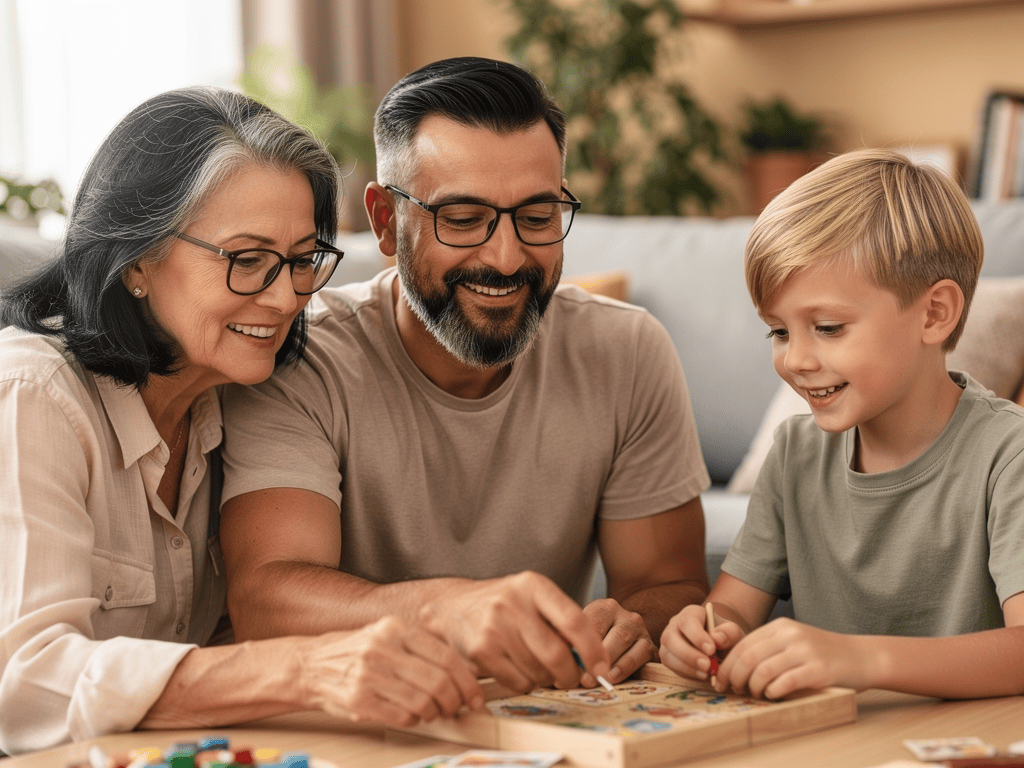
Pain in old age is unfortunately not uncommon, but it does not have to control your life. As grandparents, you have a special motivation to stay active and fit: your grandchildren. When you learn to deal with pain, you can continue to enjoy the valuable moments with your grandchildren – whether playing, reading aloud, or going on trips together. Good pain management allows you to fully enjoy the time with your grandchildren and be a strong, active role model for them.
Many grandparents remain silent about their pain because they do not want to be a burden or because they think that pain simply comes with age. But this is a mistake: pain can and should be treated. When you actively address your pain, you show your grandchildren that it is important to take care of your own health and that you can stay active and joyful even in old age. Your grandchildren benefit when you are healthy and active – and so do you.
Staying active for grandchildren
Your grandchildren need you – not only as a reference person, but also as an active playmate. When you learn to deal with pain, you can continue to play, romp, and have adventures with your grandchildren. Movement and activity are often even part of the solution: gentle movement can relieve pain and maintain your mobility at the same time. This way, you can still be on the playground with your grandchildren, go hiking together, or simply play in the garden, even at an advanced age.
Remember: Every activity you do with your grandchildren not only strengthens your relationship, but also your own health. When you stay active, you also stay mentally fit and can be an important companion to your grandchildren for a long time. Your grandchildren will thank you for taking care of your health – because this way you can spend many beautiful years together.
Common types of pain in old age
Various types of pain occur in old age. Joint pain, back pain, headaches, or nerve pain are common. Each type of pain requires a different approach, but the most important thing is: you do not have to suffer in silence. When you understand what type of pain you have, you can find the right treatment together with your doctor. This way, you can significantly improve your quality of life and continue to be active for your grandchildren.
Some pain is acute and disappears after a short time, while other pain is chronic and accompanies you over a longer period. Both types can be treated, but chronic pain often requires a more comprehensive strategy. It is important that you do not give up: with the right treatment and appropriate strategies, you can lead a fulfilling life even with chronic pain and continue to be there for your grandchildren.
Understanding and recognizing pain
The first step in dealing with pain is to understand and recognize it. Many people tend to ignore or downplay pain, especially if they do not want others to worry. But pain is a signal from your body that something is wrong – and you should take this signal seriously. When you observe and document your pain precisely, you can help your doctor make the right diagnosis and find the best treatment.
Understanding pain also means recognizing that pain is not only physical, but can also have psychological and social aspects. Stress, worries, or loneliness can increase pain. When you learn to recognize these connections, you can approach your pain management holistically. This way, you can not only relieve your physical pain, but also improve your general well-being.
Acute vs. chronic pain
Acute pain occurs suddenly and usually has a clear cause – for example, an injury or inflammation. It usually disappears once the cause has been treated. Chronic pain, on the other hand, lasts longer than three months and can continue even after the original cause has healed. Both types of pain can be treated, but chronic pain often requires a long-term strategy.
If you have chronic pain, this does not mean that you have to live with it. Modern pain therapy offers many ways to relieve chronic pain as well. It is important that you do not give up and that you find an individual solution together with your doctor. This way, you can lead an active life despite chronic pain and continue to be there for your grandchildren.
Keeping a pain diary
A pain diary can help you better understand your pain and provide your doctor with important information. Note daily when the pain occurs, how severe it is, what triggers it, and what relieves it. This way, you can recognize patterns and find the best treatment together with your doctor. A pain diary also helps to recognize progress and see which strategies work best for you.
Keep your pain diary regularly and honestly. The more precisely you document your pain, the better your doctor can help you. Show your doctor the diary at every visit – this way, he can optimally adjust your treatment. Remember: A pain diary is not a sign of weakness, but a tool to actively manage your health.
Medical treatment options
Medical treatment of pain is an important building block in pain management. Your doctor can help you find the cause of your pain and choose the appropriate treatment. There are many different treatment options – from medication to physiotherapy to alternative methods. It is important that you speak openly with your doctor about your pain and find the best solution together.
Many grandparents hesitate to go to the doctor because they think that pain comes with age or because they do not want to be a burden. But this is a mistake: pain should always be taken seriously, and there are almost always ways to relieve it. When you have your pain treated, you are not only doing yourself a favor, but also your grandchildren – because this way you can continue to be active and present in their lives.
Doctor visit and diagnosis
The first step in treating your pain is a visit to the doctor. Prepare well: bring your pain diary, write down questions, and be honest about your pain. The more information you give your doctor, the better he can help you. Do not hesitate to also talk about psychological stress or worries – these can increase pain and should also be treated.
Your doctor will perform various examinations to find the cause of your pain. This can sometimes take some time, but it is important to make an accurate diagnosis. Be patient and trust your doctor. If you have questions or feel uncertain, speak openly about it. A good doctor will take time to answer your questions and explain what can be done.
Medication therapy
Medication can be an important part of pain therapy. There are different types of painkillers – from over-the-counter preparations to prescription medications. It is important that you only take medication after consulting with your doctor and follow the dosage exactly. Do not take medication on your own, especially if you are already taking other medications.
If you take medication for pain, inform yourself about possible side effects and interactions. Take the medication regularly and as prescribed. If you have questions or notice side effects, speak with your doctor immediately. Remember: Medication is a tool, but not the only solution. Combine medication therapy with other strategies such as exercise, relaxation, or physiotherapy.
Physiotherapy and exercise
Physiotherapy can be very effective for many types of pain. A physiotherapist can show you targeted exercises that relieve your pain and improve your mobility. You can then perform these exercises at home to stay active in the long term. Exercise is often the key to pain relief – even if it is sometimes difficult to move when you have pain.
Regular exercise can relieve pain, improve circulation, and strengthen muscles. Start slowly and gradually increase intensity. Your physiotherapist can show you which exercises are suitable for you. Remember: Exercise does not mean that you have to overexert yourself. Gentle exercise such as walks, swimming, or Tai-Chi can already be very helpful. This way, you can stay active even in old age and continue to play and romp with your grandchildren.
Self-help strategies in daily life
In addition to medical treatment, there are many strategies you can apply yourself in daily life to relieve pain. These self-help strategies can support medical treatment and help you improve your quality of life. It is important that you try different strategies and find those that work best for you. Everyone is different, and what helps one person does not necessarily help another.
Self-help strategies are not a substitute for medical treatment, but they can be an important addition. When you learn to become active yourself, you give yourself back control over your pain. This can be very empowering and help you stay positive. Remember: Every small improvement counts, and even small steps can make big differences.
Exercise and activity
Exercise is one of the most important building blocks in pain management. Even if it is sometimes difficult to move when you have pain, regular exercise can relieve pain in the long term. Start with gentle activities such as walks, swimming, or light gymnastics. Gradually increase intensity, but do not overexert yourself. Listen to your body and take breaks when you need them.
Exercise not only helps relieve pain, but also improves your general health and well-being. When you are regularly active, you also stay mentally fit and can be an active companion to your grandchildren for a long time. Plan exercise into your daily routine – perhaps you can even be active together with your grandchildren. This way, you are not only doing something good for yourself, but also spending valuable time with your grandchildren.
Relaxation techniques
Relaxation techniques can help relieve pain and reduce stress. Methods such as progressive muscle relaxation, breathing exercises, or meditation can be very effective. Try different techniques and find the one you like best. Relaxation techniques can be applied anywhere and anytime – they are a simple and cost-effective tool in pain management.
When you regularly practice relaxation techniques, you can not only relieve your pain, but also improve your general well-being. Relaxation also helps you sleep better, which in turn can reduce pain perception. Take time for relaxation daily – perhaps you can even relax together with your grandchildren, for example during a joint meditation or breathing exercise.
Heat and cold therapy
Heat and cold therapy are simple and effective methods to relieve pain. Heat can help with muscle tension and joint pain, while cold can be effective for acute inflammation or swelling. Try what works best for you. A warm shower, a heating pad, or a cold pack can already be very helpful.
You can easily apply heat and cold therapy at home. It is important that you are careful and do not choose the temperature too high or too low. Do not leave heat or cold packs on the skin for too long to avoid burns or frostbite. If you are unsure, talk to your doctor or physiotherapist about the correct application.
Lifestyle adjustments
Your lifestyle can have a great impact on your pain. A healthy diet, sufficient sleep, and an adapted daily routine can relieve pain and improve your quality of life. When you adjust your lifestyle, you are not only doing something good for yourself, but also showing your grandchildren how important a healthy lifestyle is.
Lifestyle adjustments do not have to be radical – small changes can already have a big effect. It is important that you set realistic goals and do not overexert yourself. Every positive change is a step in the right direction. Remember: You are making these changes not only for yourself, but also for your grandchildren – so that you can continue to be active and present in their lives for a long time.
Nutrition for pain
A healthy diet can help reduce inflammation and relieve pain. Pay attention to a balanced diet with plenty of fruits, vegetables, whole grains, and healthy fats. Avoid highly processed foods, too much sugar, or unhealthy fats. Some foods can promote inflammation, while others can have anti-inflammatory effects.
When you eat healthily, you are not only doing something good for your body, but also staying fit and active for your grandchildren. A healthy diet can also increase your energy level, which helps you stay active despite pain. Perhaps you can even cook together with your grandchildren and show them how important healthy nutrition is. This way, you combine pain management with valuable time with your grandchildren.
Sleep and rest
Sufficient sleep is important for pain management. When you sleep well, your body can regenerate and process pain better. Pay attention to good sleep hygiene: go to bed regularly at the same time, create a quiet sleep environment, and avoid caffeine or heavy meals before going to bed. If pain prevents you from sleeping, talk to your doctor about solutions.
Good sleep not only helps with pain management, but also improves your general health and well-being. When you are rested, you can also interact better with your grandchildren and enjoy the time together. Remember: Sufficient rest is not a luxury, but a necessity – especially when you have pain. Your grandchildren need you fit and rested, not exhausted and overtired.
Daily life adjustments
Small adjustments in daily life can help reduce pain and improve your quality of life. Pay attention to an ergonomic posture when sitting or standing, use aids such as walking sticks or rollators if necessary, and distribute heavy tasks throughout the day. Plan breaks and listen to your body when it needs rest.
Daily life adjustments do not mean that you have to stop being active. On the contrary: when you make your daily life more pain-friendly, you can stay active longer and continue to play and romp with your grandchildren. Do not use aids as a sign of weakness, but as a tool to stay active. Your grandchildren will understand if you sometimes need a break – what is important is that you continue to be there and spend time with them.
Communication with family and doctors
Open communication is important in dealing with pain. Talk to your family about your pain so they can understand what you are going through and how they can help you. Do not hesitate to ask for help when you need it. Your family wants to help you – let them participate. At the same time, you should also speak openly with your doctor about your pain so he can offer you the best treatment.
Communication also means that you learn to communicate your limits. When you have pain, it is okay to sometimes take a break or avoid certain activities. Your family and especially your grandchildren will understand if you explain why you sometimes cannot be as active. It is important that you continue to be present and spend time with your grandchildren – even if you sometimes have to be less active.
Talking to grandchildren about pain
It is important to also talk to your grandchildren about pain in an age-appropriate way. Explain to them that grandma or grandpa sometimes has pain, but that this is normal and that you are learning to deal with it. Make it clear that pain does not prevent you from spending time with them – you may just need to sometimes take a break or adjust certain activities.
When you speak openly with your grandchildren about pain, you show them that it is okay to talk about health and that you can deal with challenges. Your grandchildren learn that health is important and that you need to take care of yourself. At the same time, you can show them that you can lead a fulfilling life despite pain and that activity and exercise are important.
Preparing doctor conversations
A well-prepared doctor conversation can be very helpful. Bring your pain diary, write down questions, and be honest about your pain. The more information you give your doctor, the better he can help you. Do not hesitate to also talk about psychological stress or worries – these can increase pain and should also be treated.
In doctor conversations, it is important that you take time and ask all your questions. If you do not understand something, ask. A good doctor will take time to explain everything to you. Remember: You are a team with your doctor, and together you can find the best solution for your pain. This way, you can continue to be active and fit for your grandchildren.
Psychological aspects of pain management
Pain has not only physical, but also psychological aspects. Stress, worries, loneliness, or depression can increase pain, while positive thoughts, relaxation, and social contacts can relieve pain. When you learn to also consider the psychological aspects of your pain, you can approach your pain management holistically.
It is important to also take care of your mental health. If you feel stressed, sad, or lonely, talk to your family, your doctor, or a therapist. Psychological support can be just as important as medical treatment. Remember: Your grandchildren need you not only physically, but also emotionally. When you are mentally healthy, you can also be better there for your grandchildren and enjoy the time together.
Common types of pain in old age and their treatment
Self-help strategies overview
Nutrition tips for pain
Practical tips for pain management
- Keep a pain diary to recognize patterns
- Exercise regularly, even if it is difficult
- Use relaxation techniques daily
- Speak openly with your family about your pain
- Prepare doctor visits well
- Combine different treatment methods
- Set realistic goals
- Give yourself breaks when you need them
When you should see a doctor
- When pain occurs suddenly and severely
- When pain lasts longer than a week
- When pain affects your daily activities
- When pain is accompanied by other symptoms
- When previous treatments do not help
- When you are worried
Suitable types of exercise for pain
- Walks in the fresh air
- Swimming or water aerobics
- Tai-Chi or Qigong
- Gentle gymnastics or yoga
- Cycling on flat terrain
- Joint activities with grandchildren