



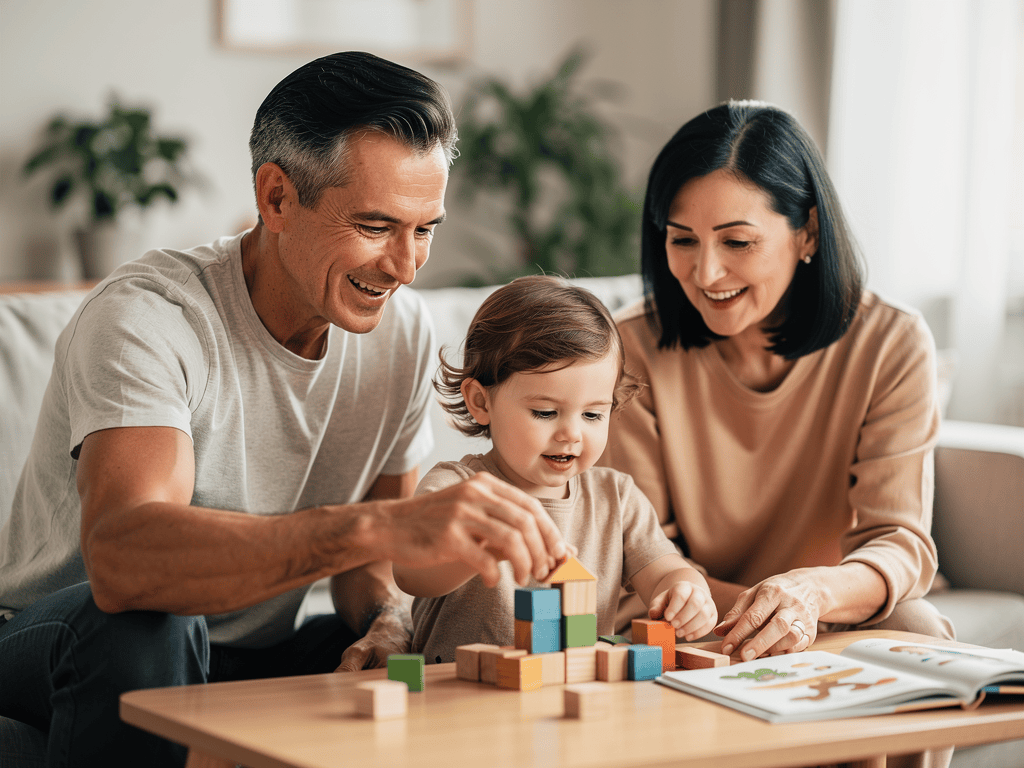
Why a video diary is valuable
Keeping a video diary with your grandchildren is more than just capturing moments – it is an investment in your grandchildren's future. When you capture memories together on video, you give your grandchildren something that will accompany them throughout their lives. These videos become valuable treasures that your grandchildren will still have when you are no longer there to tell your stories.
For your grandchildren, a video diary means they can see and hear their grandparents again and again, even when the shared time is over. They can hear your voice, see your gestures, and experience the special moments you shared together. These memories help your grandchildren understand their own identity and strengthen their connection to their family.
As grandparents, you can pass on your values, stories, and life wisdom to your grandchildren through a video diary. You can show who you are, what is important to you, and how you see the world. This passing on of knowledge and experience is a gift that your grandchildren will treasure throughout their lives. Through the video diary, you can ensure that your voice and your presence remain part of your grandchildren's lives in the future.
Preserving memories for the future
Memories are fleeting – they fade over time, details are lost, and sometimes you even forget important moments. A video diary helps preserve these memories exactly as they were. When you film together with your grandchildren, you capture not only the images but also the emotions, the voices, and the atmosphere of the moment. These details make the memories come alive and help your grandchildren remember them exactly even years later.
The video diary becomes particularly valuable when it documents different phases in your grandchildren's lives. You can see how your grandchildren have developed, how their interests have changed, and how your relationship has grown. Documenting this development is a gift for the future that shows how important the relationship between grandparents and grandchildren is.
When you film regularly, a chronicle of shared life emerges that shows how time has developed. Your grandchildren can later look back and see how they grew up, what activities you did together, and what special moments you shared. This chronicle becomes an important part of family history that is preserved for future generations.
Strengthening the relationship with grandchildren
Filming and creating a video diary together strengthens the relationship between you and your grandchildren in a special way. When you stand together in front of the camera or develop ideas together, a special connection is created. Your grandchildren get to know you better, and you get to know your grandchildren better – their thoughts, their dreams, their way of seeing the world.
Through the video diary, you can also show how important your grandchildren are to you. When you take time to film together and create memories, you show that your grandchildren matter to you and that you want to share these moments with them. This appreciation strengthens your grandchildren's self-confidence and helps them feel loved and valued.
Working together on the video diary also creates new opportunities for conversation. When you think together about what you want to film, or when you watch the finished videos together, conversations arise about important topics, dreams, and wishes. These conversations deepen the relationship and help your grandchildren confide in you and share their thoughts.
First steps to a video diary
Starting a video diary doesn't have to be complicated. You don't need professional equipment or expensive cameras – a smartphone or a simple camera is completely sufficient. What matters is not technical perfection, but the joy of filming together and the appreciation of the moments you want to capture.
Before you start filming, you should think together with your grandchildren about what you want to document. Let your grandchildren help decide which moments are important and which stories should be told. This joint planning makes the project something special that you create together.
It is also helpful to develop a simple structure. Think about whether you want to film daily, weekly, or on special occasions. A regular routine helps make the video diary a habit that becomes a fixed part of your shared time.
Technical equipment
For a video diary, you don't need expensive equipment. A modern smartphone already has very good camera quality and is completely sufficient to create beautiful videos. What matters is that you feel comfortable with the technology and that filming doesn't become a burden.
If you want, you can also use a simple digital camera or an action camera. What matters is that the camera is easy to use and that you can focus on capturing the moments instead of dealing with complicated technology.
For storing the videos, you can use cloud storage or save the videos on a computer or external hard drive. It is important to create regular backups so that the valuable memories are not lost. Discuss with your grandchildren how the videos should be stored so that they can also access them later.
Joint planning
The planning of the video diary should be a joint activity in which both you and your grandchildren can contribute ideas. Ask your grandchildren which moments they would like to capture, which stories they want to tell, and which activities they want to document. This participation makes the project something special that is truly created together.
Think together about which topics are important. Perhaps you want to regularly report on everyday life, perhaps you want to document special occasions, or perhaps you want to tell stories from the past. Let your grandchildren help decide so that the video diary truly reflects their interests and wishes.
It can also be helpful to create a kind of "editorial plan" that shows which topics should be filmed when. This plan doesn't have to be rigid but can be flexibly adjusted. What matters is that it serves as a guide and helps you film regularly without it becoming a burden.
Ideas for video diary content
A video diary can have many different contents – from everyday moments to special occasions. What matters is that the contents are meaningful for you and your grandchildren and that they reflect the relationship between you. Let yourself be guided by your grandchildren's interests and find topics that are important for both sides.
Everyday moments are often the most valuable because they show what normal life looks like. When you cook together, play, or simply sit together, these moments can become valuable memories. These everyday videos show your grandchildren later what life really was like, not just the special occasions.
Special occasions such as birthdays, holidays, or outings are of course also important content for the video diary. These moments show the highlights of shared life and help your grandchildren remember the special times. But the small, inconspicuous moments also have their value and should not be forgotten.
Capturing everyday moments
Everyday moments are often the most valuable content for a video diary because they show what normal life looks like. When you have breakfast together, play, do crafts, or simply sit together and talk, these moments can become valuable memories. These videos show your grandchildren later what daily life really was like, not just the special occasions.
You can also document small routines, such as reading together before bedtime, cooking together, or gardening together. These routines show the continuity of the relationship and help your grandchildren remember the regular activities that shaped your relationship.
Spontaneous moments can also be valuable – when you laugh together, when you experience a surprise, or when you simply spend time together. These unplanned moments show the naturalness of the relationship and help your grandchildren remember the joy and lightness you shared together.
Documenting special occasions
Special occasions such as birthdays, Christmas, Easter, or other holidays are important content for the video diary. These moments show the highlights of shared life and help your grandchildren remember the special times. Document not only the celebration itself but also the preparations and the shared anticipation.
Outings, trips, or visits to special places are also valuable content. When you visit a zoo together, explore a museum, or simply take a beautiful walk, these experiences can become valuable memories. Document not only the destinations but also the journey there and the conversations you have along the way.
School events, sports competitions, or other activities of your grandchildren are also important content. When you show that you are interested in your grandchildren's activities and document them, you show how important your grandchildren are to you. These videos also help your grandchildren remember their own successes and experiences.
Telling stories
A video diary is also a wonderful way to tell stories – both stories from the past and stories about the present. When you tell stories from your own childhood or stories about the family, you help your grandchildren understand their family history and know their roots.
You can also tell stories about your grandchildren's childhood – how they were when they were little, what special moments you experienced together, what development you observed. These stories help your grandchildren understand their own history and see how they have developed.
Stories about values, life wisdom, or important lessons can also be part of the video diary. When you explain what is important to you and why, you help your grandchildren understand and adopt these values. This passing on of knowledge and experience is an important part of the grandparent-grandchild relationship.
Filming and creating together
Filming should be a joint activity in which both you and your grandchildren are actively involved. Let your grandchildren also hold the camera sometimes or contribute ideas for recordings. This participation makes the project something special that is truly created together.
What matters is that filming is fun and doesn't become a burden. If you focus too much on technical perfection, you might lose the joy of the moment. Let things happen naturally and film what happens without staging too much.
You can also incorporate creative elements, such as music, texts, or small animations. This design makes the videos more interesting and shows that you have made an effort to create something special. But simple, uncut videos also have their value and show the naturalness of the moments.
Actively involving grandchildren
Your grandchildren should be actively involved in the video diary, not only as "actors" but also as co-creators. Let your grandchildren contribute ideas about which moments should be filmed, which stories should be told, or which activities should be documented. This participation makes the project something special that is truly created together.
You can also let your grandchildren hold the camera or ask them to film certain moments. Older grandchildren can perhaps also help with editing or designing the videos. This participation helps your grandchildren identify with the project and be proud of what you have created together.
When you watch the finished videos together, you can also talk about what was good and what might be done differently next time. This reflection helps your grandchildren learn and develop the project further. At the same time, it strengthens the relationship between you and shows that you grow and learn together.
Creative design ideas
A video diary doesn't have to consist only of simple recordings – you can also incorporate creative elements that make the videos more interesting. You can, for example, add music, display texts, or use small animations. This design shows that you have made an effort to create something special.
You can also try different camera angles or use special effects. What matters is that the design supports the content and doesn't distract from it. The moments themselves should be the focus, not the technical effects.
Creating together can also be part of the project. When you think together about how a video should be designed, or when you select music together, a creative collaboration emerges that strengthens the relationship and makes the project something special.
Organization and archiving
A video diary needs some organization so that the videos can be found and watched later. Think about a structure for how the videos should be stored and organized. This structure should be simple and not too complicated so that it works long-term.
It is also important to create regular backups so that the valuable memories are not lost. Store the videos in multiple places – for example, on a computer, an external hard drive, and in the cloud. This way, the memories are safe even if one device breaks.
You can also create a kind of "index" or overview that shows which videos exist and which topics are covered. This overview helps later to quickly find specific videos and reminds you of which moments were documented.
Structured storage
For storing the videos, you should develop a clear structure. You can, for example, create folders by year or by topic. What matters is that the structure is understandable for you and your grandchildren and that it works long-term.
Also name the videos meaningfully so that you know later what is in each video. You can, for example, mention the date, the topic, or the people involved in the filename. This labeling helps later to quickly find specific videos.
It is also important to regularly check whether all videos have been saved and whether the backups are up to date. Take time regularly to check the organization and ensure that nothing is lost. This regular maintenance helps ensure that the video diary is preserved long-term.
Regular routines
A regular routine helps make the video diary a habit that becomes a fixed part of your shared time. Think about whether you want to film daily, weekly, or on special occasions. What matters is that the routine fits your life and doesn't become a burden.
You can also set up fixed "filming days" when you regularly film together. These fixed dates help ensure that filming is not forgotten and that it becomes a natural activity. At the same time, these dates also create a structure that gives your grandchildren security.
What matters is that the routine remains flexible and that you are not too strict with yourself. If there is no time to film once or if you simply don't feel like it, that is completely fine. The video diary should be a joy, not an obligation.
Special projects and topics
In addition to regular recordings, you can also develop special projects that enrich the video diary. These projects can extend over a longer period and show the development of your grandchildren or the changes over time.
Special projects can also be topics that are particularly important to you and your grandchildren. Perhaps you want to document a specific hobby together, plan and film a trip, or tell a family history. These projects make the video diary something special that goes beyond everyday recordings.
These special projects also help ensure that the video diary doesn't become boring and that there are always new contents. You can think together about which projects would be interesting and how you can implement them. This joint planning and implementation strengthens the relationship and makes the project something special.
Documenting seasons
A beautiful project can be to document the different seasons. Film how you greet spring together, enjoy summer, experience autumn, and spend winter. This documentation shows the changes throughout the year and helps your grandchildren remember the different seasons.
You can also show how activities change depending on the season – perhaps gardening or walks in spring, outings or swimming in summer, crafts or harvest thanksgiving in autumn, Christmas or cozy evenings in winter. This variety shows the richness of shared life.
Documenting the seasons can also show how your grandchildren develop throughout the year. You can see how they have grown, how their interests have changed, and how the relationship has developed. Documenting this development is a gift for the future.
Telling family history
The video diary is also a wonderful way to tell family history. You can tell stories about your own childhood, about the family, about important events, or about values that are important to you. These stories help your grandchildren understand their roots and develop their identity.
You can also show how the family has developed – how your grandchildren grew up, what milestones there were, what changes took place. This documentation of family history becomes an important legacy that is preserved for future generations.
When you tell family history, you can also show old photos or documents and explain what they mean. These visual elements make the stories more vivid and help your grandchildren better imagine the past. At the same time, they connect the past with the present and show the continuity of the family.
Tips for successful videos
For successful videos, you don't have to be a professional filmmaker – what matters is that the videos are authentic and capture the moments well. Keep the camera steady, ensure good lighting, and make sure the sound is clear. But more important than technical perfection is the joy of filming together and the appreciation of the moments.
Let things happen naturally and film what happens without staging too much. The authentic moments are often the most valuable, even if they are not perfect. If you try too hard to make everything perfect, you might lose the naturalness and joy of the moment.
It is also important that you film regularly but not too much. If you film every moment, the videos might lose their specialness. Film the moments that are truly important, and also leave room for unfilmed time, which is just as valuable.
Technical Equipment Overview
Storage Options for Videos
Possible Routines for Filming Days
Tips for Getting Started
- Start simply – you don't need perfect equipment
- Let your grandchildren help decide which moments are important
- Film regularly, but not too much
- Make filming a joint activity
- Store videos safely and create backups
- Watch the videos together and talk about them
More Ideas for Video Diary Content
- Document cooking and baking together
- Capture walks and outings
- Show craft projects and creative activities
- Tell stories from the past
- Pass on values and life wisdom
- Document grandchildren's development over time
Creative Design Ideas for Videos
- Add music that fits the moments
- Display texts that explain what is being shown
- Try different camera angles
- Use small animations or effects
- Conduct interviews with grandchildren
- Use time-lapse for slow developments