



Why Children Use Swear Words
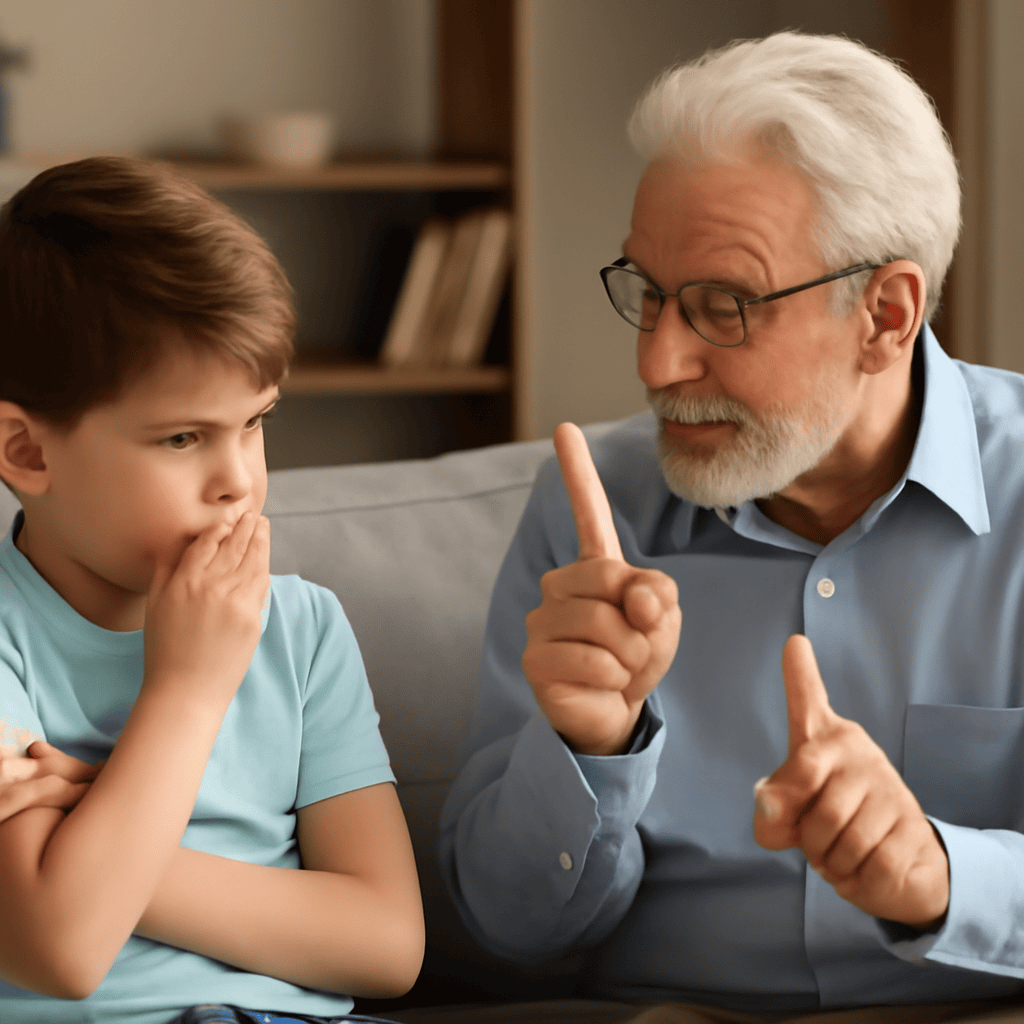
When your grandchildren use swear words, it is initially a normal developmental phase. Children experiment with language, test boundaries, and learn which words provoke which reactions. As grandparents, you can help your grandchildren develop respectful language use by understanding why they use these words.
Swear words often have a special appeal for children because they provoke strong reactions. When adults react excitedly or shocked, children quickly learn that these words have power. It is important for your grandchildren to learn that language should be used respectfully so they can build positive relationships in the future.
When you understand why your grandchildren use swear words, you can respond appropriately and help them find alternative ways to express their feelings. Your support helps your grandchildren become responsible people who communicate respectfully and can build positive relationships.
Developmental Phase and Experimentation
Children go through various developmental phases in which they experiment with language. Using swear words is often part of this experimentation. Your grandchildren learn which words have which effects and how they can attract attention. This is a natural part of language development, even if it can sometimes be uncomfortable for adults.
It is important that you as grandparents understand that this behavior is usually not malicious, but part of the learning process. Your grandchildren test boundaries and learn how language works. When you respond patiently and understandingly, you can help your grandchildren learn that respectful communication is important so they can build positive relationships in the future.
When your grandchildren use swear words, you can use this as an opportunity to show them how to communicate respectfully. Explain that it is important to speak respectfully so others feel comfortable and positive relationships can develop. Your support helps your grandchildren become responsible people who treat others with respect.
Testing Attention and Reactions
Children often use swear words because they want to attract attention. When adults react strongly - whether with shock, anger, or even laughter - children quickly learn that these words have a special effect. It is important for your grandchildren to learn that there are better ways to get attention so they can build positive relationships in the future.
When you respond calmly and composedly, you show your grandchildren that swear words do not bring the desired attention. At the same time, you can show them how to communicate respectfully and receive positive attention. Your support helps your grandchildren understand that respectful communication is important so they can build positive relationships in the future.
When your grandchildren use swear words to attract attention, you can show them that there are better ways to be heard. Listen when they speak respectfully and show interest in what they have to say. Your attention to respectful communication helps your grandchildren understand that they are heard when they speak respectfully.
Stay Calm and Respond Appropriately
When your grandchildren use swear words, it is important to stay calm and respond appropriately. An excessive reaction can reinforce the behavior, while a calm, clear response helps your grandchildren understand that respectful communication is important. As grandparents, you can help your grandchildren develop respectful language use by being a role model yourself.
Staying calm does not mean ignoring the behavior, but responding appropriately. Show your grandchildren that you understand their feelings, but that it is important to communicate respectfully. Your support helps your grandchildren understand that respectful communication is important so they can build positive relationships in the future.
When you respond calmly and composedly, you show your grandchildren that swear words do not have the desired effect. At the same time, you can help them find alternative ways to express their feelings. Your support helps your grandchildren become responsible people who communicate respectfully.
Don't Overreact
An excessive reaction to swear words can reinforce the behavior because children learn that these words provoke strong reactions. If you react shocked, angry, or amused, it can encourage your grandchild to continue using the words. Instead, you should respond calmly and composedly and clearly communicate that respectful language is important.
When you don't overreact, you show your grandchildren that swear words do not bring the desired attention. At the same time, you can help them understand that respectful communication is important so they can build positive relationships in the future. Your calm response helps your grandchildren understand that there are better ways to express themselves.
When your grandchildren use swear words, you can calmly say: "I understand that you are angry/frustrated, but we use respectful words." This clear, calm response helps your grandchildren understand that their feelings are important, but that respectful communication is the right way to express these feelings.
Set Boundaries Without Scolding
It is important to set clear boundaries when your grandchildren use swear words, but this should be done respectfully and without scolding. Explain that certain words should not be used because they can hurt others. Your clear, respectful communication helps your grandchildren understand that respectful language is important so they can build positive relationships in the future.
When you set boundaries, you should explain why these boundaries are important. Explain that respectful communication is important so everyone feels comfortable and positive relationships can develop. Your explanations help your grandchildren understand that it is not about punishing them, but about treating each other respectfully.
When your grandchildren use swear words, you can say: "I understand that you are angry, but we use respectful words. Let's find a better way together to express your feelings." This respectful, supportive response helps your grandchildren understand that their feelings are important and that there are better ways to express them.
Have Conversations About Language
Conversations about language can help your grandchildren understand why respectful communication is important. Use opportunities to talk about language and explain how words can affect others. As grandparents, you can help your grandchildren understand that respectful communication is important so they can build positive relationships in the future.
When you talk with your grandchildren about language, you should explain in an age-appropriate way why certain words should not be used. Explain that words can evoke feelings and that respectful communication is important so everyone feels comfortable. Your explanations help your grandchildren understand that language comes with responsibility.
Conversations about language should not be lecturing, but open and curious. Listen to what your grandchildren think and feel, and try to understand their perspective. When you show that you take their opinion seriously, you help your grandchildren develop their own attitude toward language.
Age-Appropriate Explanations
The way you talk about language should be adapted to your grandchildren's age. For younger children, you can use simple explanations: "Some words can make others sad. We use friendly words so everyone feels comfortable." For older children, you can have more complex conversations about the effects of language and the responsibility we all have to communicate respectfully.
It is important that you don't scare them, but explain why respectful communication is important. Explain that words can evoke feelings and that respectful communication is important so everyone feels comfortable. Your explanations help your grandchildren understand that language comes with responsibility and that respectful communication is important so they can build positive relationships in the future.
For younger children, you can also use stories to talk about language. Tell about situations where respectful communication was important and explain why it was important. For older children, you can also talk about more complex topics, such as how language affects others and the responsibility we all have to communicate respectfully.
Finding Alternative Expressions
When your grandchildren use swear words, you can help them find alternative expressions. When they are angry or frustrated, you can think together about how they can express their feelings respectfully. Your support helps your grandchildren understand that there are many ways to express feelings and that respectful communication is the best way.
Help your grandchildren find words that express their feelings without hurting others. When they are angry, they can say: "I am really angry!" instead of using swear words. When they are frustrated, they can say: "This is really frustrating!" Your support helps your grandchildren understand that there are many ways to express feelings.
When you find alternative expressions together, you show your grandchildren that their feelings are important and that there are better ways to express them. Your support helps your grandchildren understand that respectful communication is important so they can build positive relationships in the future. Together you can find ways for your grandchildren to express their feelings respectfully.
Be a Role Model and Demonstrate Respectful Communication
The best way to teach your grandchildren respectful communication is to demonstrate it yourself. Children learn most through observation and imitation. When your grandchildren see how you communicate respectfully, it shapes their own behavior sustainably. Your role model helps your grandchildren understand that respectful communication is important so they can build positive relationships in the future.
When you demonstrate respectful communication, you show your grandchildren that it is normal and important to speak respectfully. You show them that respectful communication is the standard and that each of us has the responsibility to communicate respectfully. These lessons will accompany your grandchildren throughout their lives and help them become responsible people.
When you communicate respectfully yourself, even in difficult situations, you show your grandchildren that respectful communication is always possible. When you stay calm and speak respectfully, even when you are frustrated or angry, your grandchildren learn that respectful communication is important, regardless of the situation.
Reflect on Your Own Language
It is important to reflect on your own language and ensure that you communicate respectfully yourself. If you occasionally use inappropriate words yourself, it can confuse your grandchildren. Think about which words you use and whether they are respectful. Your self-reflection helps your grandchildren understand that respectful communication is important for everyone.
When you notice that you have used inappropriate words yourself, you can use this as an opportunity to talk with your grandchildren about language. Explain that adults also sometimes make mistakes and that it is important to apologize and do better. Your openness helps your grandchildren understand that respectful communication is a process we all must learn.
When you reflect on your own language, you show your grandchildren that respectful communication is important and that each of us has the responsibility to communicate respectfully. Your self-reflection helps your grandchildren understand that respectful communication is not only important for children, but for all people.
Show Respectful Communication
Show your grandchildren what respectful communication looks like by speaking respectfully yourself. Use friendly, respectful words, even when you are frustrated or angry. When you communicate respectfully, you show your grandchildren that respectful communication is always possible, regardless of the situation.
When you communicate respectfully, you show your grandchildren that respectful communication is the standard. Use friendly words, listen when others speak, and show respect for others' opinions and feelings. Your respectful communication helps your grandchildren understand that respectful communication is important so they can build positive relationships in the future.
When you communicate respectfully yourself, even in difficult situations, you show your grandchildren that respectful communication is always possible. When you stay calm and speak respectfully, even when you are frustrated or angry, your grandchildren learn that respectful communication is important, regardless of the situation. Your role model helps your grandchildren become responsible people who communicate respectfully.
Dealing with Repeated Behavior
When your grandchildren repeatedly use swear words, it is important to respond consistently and at the same time use positive reinforcement. Show your grandchildren that respectful communication is important and reward them when they speak respectfully. Your consistent, supportive response helps your grandchildren understand that respectful communication is the right way.
If the behavior persists, you should consider whether there might be other reasons why your grandchildren use swear words. Perhaps they are frustrated, have problems at school, or need more attention. When you understand the cause, you can help better. Your support helps your grandchildren understand that their feelings are important and that there are better ways to express them.
When you respond consistently and at the same time use positive reinforcement, you show your grandchildren that respectful communication is important and that it is rewarded when they speak respectfully. Your support helps your grandchildren understand that respectful communication is the right way so they can build positive relationships in the future.
Consistent Responses
It is important to respond consistently when your grandchildren use swear words. If you sometimes react and sometimes don't, it can be confusing. Show your grandchildren that respectful communication is always important by responding calmly and clearly each time. Your consistent response helps your grandchildren understand that respectful communication is the standard.
When you respond consistently, you should convey the same calm, clear message each time: "I understand that you are angry/frustrated, but we use respectful words." This consistent message helps your grandchildren understand that respectful communication is important, regardless of the situation.
When you respond consistently, you show your grandchildren that respectful communication is always important. Your consistent response helps your grandchildren understand that respectful communication is the standard and that it is expected, regardless of the situation. Your support helps your grandchildren become responsible people who communicate respectfully.
Positive Reinforcement
Positive reinforcement is an important part of the learning process. When your grandchildren communicate respectfully, you should acknowledge and praise this. Show that you are proud when they speak respectfully and that respectful communication is important. Your positive reinforcement helps your grandchildren understand that respectful communication is rewarded.
When your grandchildren communicate respectfully, you can say: "I am proud of you for speaking respectfully. This helps us all feel comfortable." This positive reinforcement helps your grandchildren understand that respectful communication is important and that it is rewarded when they speak respectfully.
Positive reinforcement means not only praise, but also attention and interest. When your grandchildren communicate respectfully, listen and show interest in what they have to say. Your attention to respectful communication helps your grandchildren understand that they are heard when they speak respectfully. Your support helps your grandchildren become responsible people who communicate respectfully.
Cooperation with Parents
It is important to cooperate with your grandchildren's parents when it comes to dealing with swear words. Consistent rules and responses help your grandchildren understand that respectful communication is important everywhere. As grandparents, you can be an important ally who helps your grandchildren learn respectful communication.
When you cooperate with the parents, you should communicate openly and develop strategies together. Discuss how you will respond when your grandchildren use swear words and make sure all adults follow the same rules. Your cooperation helps your grandchildren understand that respectful communication is important everywhere.
When you cooperate with the parents, you show your grandchildren that all adults in their lives agree that respectful communication is important. Your consistency helps your grandchildren understand that respectful communication is the standard and that it is expected, regardless of where they are or who they are speaking with.
Consistent Rules
Consistent rules are important so your grandchildren understand that respectful communication is important everywhere. If the rules at your home are different from those at the parents', it can be confusing. Discuss with the parents which rules should apply and make sure all adults follow the same rules.
When you have consistent rules, you should communicate them clearly. Explain to your grandchildren that respectful communication is important everywhere and that the same rules apply, regardless of where they are. Your clear communication helps your grandchildren understand that respectful communication is the standard.
When you have consistent rules, you show your grandchildren that all adults in their lives agree that respectful communication is important. Your consistency helps your grandchildren understand that respectful communication is the standard and that it is expected, regardless of where they are or who they are speaking with. Your support helps your grandchildren become responsible people who communicate respectfully.
Open Communication
Open communication with the parents is important so all adults are on the same page. Discuss regularly how things are going and whether there are any changes. When you communicate openly, you can develop strategies together and ensure that all adults follow the same rules.
When you communicate openly with the parents, you should also talk about successes. Share when your grandchildren communicate respectfully and show that you are proud. Your positive communication helps the parents understand that the cooperation is working and that your grandchildren are making progress.
When you communicate openly with the parents, you show that you are a team working together to help your grandchildren learn respectful communication. Your cooperation helps your grandchildren understand that respectful communication is important everywhere and that all adults in their lives agree that respectful communication is important. Your support helps your grandchildren become responsible people who communicate respectfully.
When Professional Help Makes Sense
In most cases, using swear words is a normal developmental phase that can be overcome with patience and consistent response. In some cases, however, it may make sense to seek professional help, especially if the behavior occurs very frequently, is associated with aggression, or if there are other problems.
If you are concerned that your grandchildren's behavior goes beyond the normal level, you should talk with the parents and consider together whether professional help might make sense. A child psychologist or counseling center can help understand the causes and develop strategies. Your support helps your grandchildren get the help they need.
When you seek professional help, you show your grandchildren that it is okay to seek help when you need it. Your support helps your grandchildren understand that there are many resources that can help and that it is brave to seek help when you need it. Your support helps your grandchildren get the help they need so they can build positive relationships in the future.
Response Strategies for Swear Words
Age-Appropriate Approach
Examples of Positive Reinforcement
Tips for Staying Calm
- Take a deep breath before responding
- Remember that it is a developmental phase
- Stay calm and composed
- Don't take it personally
- Focus on respectful communication
- Stay patient even with repeated behavior
Conversation Starters About Respectful Communication
- "I understand that you are angry. Let's find a better way together to express your feelings."
- "Some words can make others sad. What friendly words could we use instead?"
- "How would you feel if someone spoke to you like that?"
- "What could we say when we are angry or frustrated?"
- "Why do you think respectful communication is important?"
- "How can we show others that we respect them?"
Alternative Expressions for Feelings
- Instead of swear words: "I am really angry!"
- Instead of swear words: "This is really frustrating!"
- Instead of swear words: "I am disappointed!"
- Instead of swear words: "This makes me sad!"
- Instead of swear words: "I need help!"
- Instead of swear words: "This is not fair!"