



Why Reinterpret Traditions?
Traditions are an important part of family life and create connections between generations. They give your grandchildren a sense of belonging and help them understand their family history. At the same time, we live in a rapidly changing world where the needs and interests of your grandchildren are also changing. When you reinterpret traditions together with your grandchildren, you create something special: you preserve what is valuable from the past while adapting it to the present.
When you reinterpret traditions, you show your grandchildren that traditions don't have to be rigid, but can be living and adaptable. Your grandchildren learn that they themselves are part of the family tradition and that their ideas and wishes matter. This experience strengthens your grandchildren's self-confidence and helps them feel like an important part of the family.
At the same time, by reinterpreting traditions, you create new memories that will accompany your grandchildren throughout their lives. When your grandchildren later become grandparents themselves, they will remember these special moments and perhaps develop traditions with their own grandchildren. This creates a living family tradition that is passed down from generation to generation.
Traditions as a Bridge Between Generations
Traditions can be a wonderful bridge between generations. When you reinterpret traditions together with your grandchildren, you create a space where both generations can learn from each other. Your grandchildren learn about the values and stories of your family, while you can benefit from the new perspectives and ideas of your grandchildren.
This shared work on traditions strengthens the relationship between you and your grandchildren. When you think together about how a tradition could be adapted, you show your grandchildren that their opinion matters and that you see them as equal partners. This appreciation will shape your grandchildren and help them interact confidently and respectfully with others.
At the same time, your grandchildren also learn how to respectfully deal with the past and how to preserve what is valuable from old traditions while creating space for new things. This ability will help your grandchildren find a balance between tradition and innovation in other areas of their lives as well.
The Importance of Flexibility
Flexibility is an important aspect when reinterpreting traditions. When you are flexible and open to new ideas, you show your grandchildren that traditions don't have to be rigid, but can evolve. This openness will inspire your grandchildren and help them think creatively and find new solutions themselves.
At the same time, flexibility doesn't mean you have to give up everything that's important to you. You can preserve the core values and meaning of a tradition while adapting the form. For example, if you've always baked together, you can maintain this tradition even if you try new recipes or adjust the baking time to your grandchildren's needs.
Your flexibility also shows your grandchildren that adults can learn and that it's okay to do things differently than you're used to. This lesson will accompany your grandchildren throughout their lives and help them be flexible and adaptable themselves when their life circumstances change.
Developing Traditions Together
The best way to reinterpret traditions is to do it together with your grandchildren. When you involve your grandchildren in the design, you not only create new traditions but also valuable shared memories. Your grandchildren will remember how you thought together about how a tradition could be adapted and how you incorporated their ideas.
When you develop traditions together, you show your grandchildren that their voice matters and that they are part of the family tradition. This experience strengthens your grandchildren's self-confidence and helps them feel like an important part of the family. At the same time, your grandchildren also learn how to respectfully deal with the past and how to preserve what is valuable from old traditions.
Developing traditions together is also a wonderful opportunity to spend time together and get to know each other better. When you think together about how a tradition could be adapted, you learn more about your grandchildren's interests, wishes, and perspectives. These conversations create a deep connection between you and your grandchildren that goes beyond the tradition.
Involving Grandchildren in Design
When you involve your grandchildren in designing traditions, you show them that their opinion matters. Ask your grandchildren what they like about a tradition and what they might change. Listen to what your grandchildren have to say and take their ideas seriously. Even if not all ideas can be implemented, it's important that your grandchildren feel heard.
You can also suggest different options and decide together with your grandchildren which one fits best. For example, if you want to reinterpret a Christmas tradition, you can collect various ideas and then decide together which one to implement. This shared decision-making strengthens the relationship between you and your grandchildren and shows your grandchildren that they are part of the process.
It's also important that you actually implement your grandchildren's ideas once you've agreed on them. When your grandchildren see that their suggestions are actually being implemented, they feel valued and are motivated to continue contributing. This positive experience will shape your grandchildren and help them confidently develop and advocate for their own ideas.
Welcoming New Ideas
When you reinterpret traditions, you should be open to new ideas. Your grandchildren may have suggestions that you yourself wouldn't have considered, and that's wonderful. New ideas can enrich traditions and make them more interesting and relevant for today. When you're open to new ideas, you also show your grandchildren that you value their creativity and perspective.
At the same time, this doesn't mean you have to accept everything new. You can think together with your grandchildren about which new ideas fit the tradition and which might not. It's important that you treat each other respectfully and that both sides are heard. When you show that you take your grandchildren's ideas seriously, your grandchildren will also respect your concerns.
New ideas can also mean combining elements from different traditions or learning about traditions from other cultures and integrating them into your own family tradition. This openness to new things will inspire your grandchildren and help them remain open and curious when they encounter new things.
Examples of Reinterpreted Traditions
There are many ways to reinterpret traditions. Here are some examples that can serve as inspiration. Remember that every family is different and that the best ideas often emerge when you think together with your grandchildren about what fits your family.
It's important that you don't have to change everything at once. You can proceed step by step and adapt individual traditions gradually. Start with a tradition that is particularly important to you and your grandchildren and develop it together. When you see how well it works, you can adapt more traditions.
The examples show that there are many different ways to reinterpret traditions. Some adaptations are small and easy to implement, others require more planning and preparation. It's important that you decide together with your grandchildren which adaptations work best for your family.
Holidays and Celebrations
Holidays and celebrations are a wonderful opportunity to reinterpret traditions. For example, if you've always eaten together on Christmas Eve, you can maintain this tradition but perhaps try new dishes that your grandchildren have chosen. Or you can adjust the meal time to better fit your grandchildren's needs.
The design of celebrations can also be reinterpreted together. For example, if you've always decorated a Christmas tree, you can think together with your grandchildren about how the tree should be decorated this year. Perhaps your grandchildren want to try new decorations or use a specific color. This shared design makes the celebration something special that you've created together.
At the same time, you can also introduce new celebrations that are important to your grandchildren. For example, if your grandchildren have a particular hobby or are interested in a specific topic, you can develop a celebration together that celebrates these interests. These new traditions will be especially appreciated by your grandchildren because they show that you take their interests seriously and are willing to try new things.
Family Rituals
Family rituals are small, regular traditions that structure and connect family life. When you reinterpret family rituals, you can adapt them to modern times while preserving their meaning. For example, if you've always had breakfast together on Sundays, you can maintain this tradition but perhaps adjust the time or try new dishes.
The way rituals are performed can also be adapted. For example, if you've always played together, you can try new games that interest your grandchildren. Or you can adjust the playtime to better fit your grandchildren's needs. It's important that the ritual itself is preserved, even if the form changes.
At the same time, you can also introduce new rituals that are important to your grandchildren. For example, if your grandchildren enjoy reading, you can introduce a weekly reading ritual where you read books together and talk about them. These new rituals will be especially appreciated by your grandchildren because they show that you take their interests seriously and are willing to try new things.
Adapting Traditions to Modern Times
The world is changing rapidly, and traditions can also be adapted to modern times. When you reinterpret traditions, you can integrate modern elements that are important to your grandchildren. At the same time, you can preserve the core values and meaning of the tradition even if the form changes.
When you adapt traditions to modern times, you show your grandchildren that traditions don't have to be outdated but can remain relevant and meaningful. Your grandchildren learn that traditions are living and can evolve while maintaining their meaning. This experience will shape your grandchildren and help them create and develop traditions themselves.
At the same time, by adapting to modern times, you can also create new ways to experience traditions. For example, if you integrate digital elements, you can also include grandchildren who may not always be physically present. This flexibility makes traditions more accessible and helps maintain the connection between generations.
Integrating Digital Elements
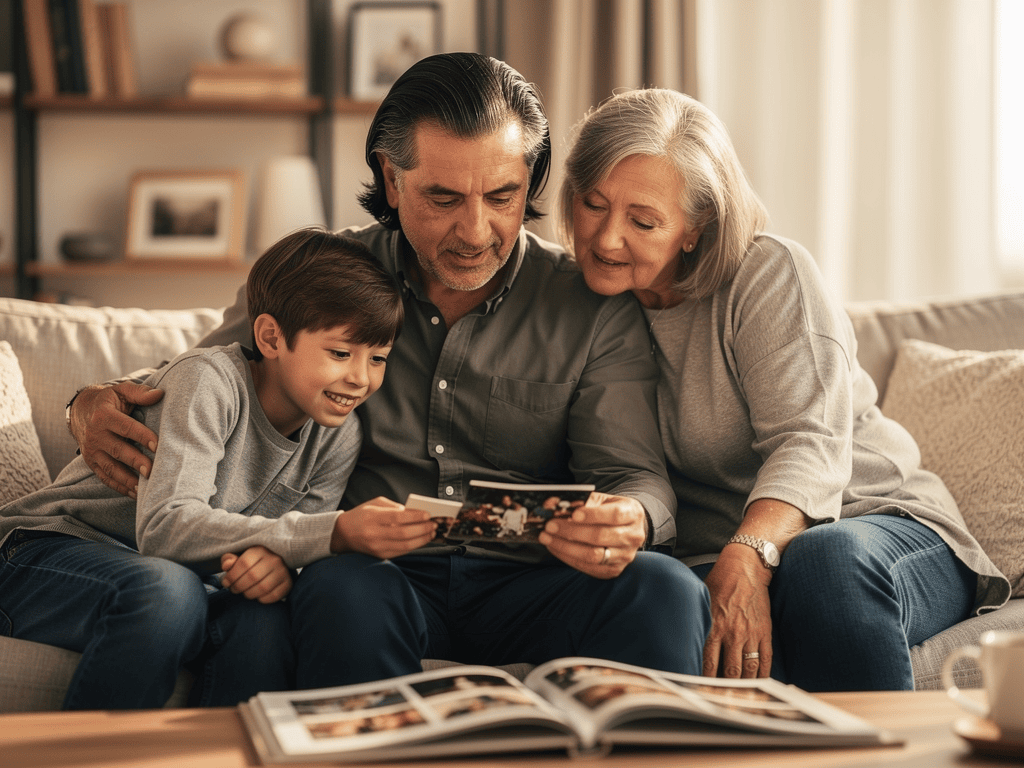
Digital technologies can be a wonderful addition to traditions. For example, if you've always looked at photos together, you can expand this tradition by creating digital photo albums or watching videos together. These digital elements can enrich traditions and make them more interesting for your grandchildren.
Video calls can also be used to include grandchildren who may not always be physically present. For example, if you've always baked together, you can continue this tradition via video calls when your grandchildren can't be there. This flexibility makes traditions more accessible and helps maintain the connection between generations.
At the same time, it's important that digital elements don't replace personal encounters but complement them. When you integrate digital elements, you should ensure that personal time together remains the focus. Digital technologies can help expand traditions, but they shouldn't replace personal connection.
Considering Sustainability
Sustainability is an important topic for many young people, and you can integrate this topic into your traditions as well. When you reinterpret traditions, you can think about how they can be made more sustainable. For example, if you've always wrapped gifts, you can use more environmentally friendly packaging materials or wrap gifts differently.
You can also choose more sustainable options when selecting food or materials. For example, if you've always baked together, you can use local and seasonal ingredients or pay attention to organic products. These adaptations show your grandchildren that you take their concerns seriously and are willing to adapt traditions to be more sustainable.
At the same time, you can also introduce new traditions that promote sustainability. For example, if you maintain a garden together or go trash collecting together, you create new traditions that are valuable for both your grandchildren and the environment. These new traditions show your grandchildren that traditions don't have to come only from the past but can also reflect new values and ideas.
Finding the Balance Between Old and New
When you reinterpret traditions, it's important to find a balance between the old and the new. You want to preserve the core values and meaning of the tradition while creating space for new ideas and adaptations. Finding this balance can be a challenge, but it's important so that both generations can identify with the tradition.
The balance between old and new doesn't mean you have to divide everything equally. Some traditions can be adapted more strongly, while others may only need small changes. It's important that you think together with your grandchildren about which elements are particularly important and which can be adapted. This shared decision-making helps find a balance that works for everyone.
At the same time, you should also ensure that the tradition doesn't lose its meaning. If you change too much, the tradition can lose its identity. If you change too little, it may no longer be relevant for your grandchildren. Finding the right balance requires openness, communication, and sometimes compromises.
Preserving Core Values
The core values of a tradition are what really make it. When you reinterpret traditions, you should preserve these core values even if you adapt the form. For example, if you've always spent time together, this shared time should also be the focus in the reinterpreted tradition, even if the activity might change.
At the same time, you can also think about which values are particularly important and how you can emphasize them in the reinterpreted tradition. For example, if community is particularly important to you, you can ensure that the reinterpreted tradition also emphasizes this value. This conscious emphasis on values helps preserve the meaning of the tradition even if the form changes.
When you preserve core values, you also show your grandchildren that traditions don't just consist of habits but have deeper meanings. Your grandchildren learn that traditions are important because they convey values and create connections, not just because they involve certain activities. This insight will shape your grandchildren and help them create traditions that are meaningful themselves.
Flexible Forms
While core values should be preserved, forms can be designed flexibly. For example, if you've always baked together, you can maintain this tradition even if you try new recipes or adjust the baking time. The form can change as long as the meaning is preserved.
At the same time, you can also try different forms and see which work best. For example, if you have a tradition that has always taken place at a specific time, you can consider whether a different time might fit better. This flexibility shows your grandchildren that traditions don't have to be rigid but can evolve.
When you design forms flexibly, you also show your grandchildren that there are different ways to live traditions. Your grandchildren learn that traditions don't have to have just one specific form but can be lived in various ways. This openness will inspire your grandchildren and help them think creatively and find new solutions themselves.
Mastering Challenges
When you reinterpret traditions, various challenges can arise. Some family members may be skeptical or show resistance. Others may be disappointed when traditions change. These challenges are normal and can be mastered if you communicate openly and treat each other respectfully.
It's important that you don't give up when there's resistance. Reinterpreting traditions is a process that takes time and can sometimes be difficult. However, if you are patient and continue to communicate openly, you can find solutions together that work for everyone. Your grandchildren will learn how to deal with challenges and how to find compromises.
At the same time, you should also ensure that you don't change too much at once. If you reinterpret too many traditions at the same time, it can be overwhelming. Start with one tradition and develop it together. When you see how well it works, you can adapt more traditions. This step-by-step approach helps minimize resistance and makes the process more pleasant for everyone involved.
Dealing with Resistance
When you reinterpret traditions, you may encounter resistance, especially from other family members who may be attached to the old traditions. It's important to take this resistance seriously and deal with it respectfully. Listen to what the concerns are and try to understand why someone is showing resistance.
At the same time, you should also explain why you want to reinterpret the tradition and what benefits it can have. When you show that you understand the meaning of the tradition and that you don't want to simply give it up but want to develop it further, you may be able to convince skeptics. It's important that you remain respectful and take others' feelings seriously.
Sometimes it can also be helpful to find compromises. Perhaps you can keep some elements of the old tradition while adapting others. These compromises show that you take others' concerns seriously and are willing to find solutions that work for everyone. Your grandchildren learn how to respectfully deal with different opinions and how to find compromises.
Finding Compromises
Compromises are an important part of the process of reinterpreting traditions. Not all ideas can be implemented, and sometimes you need to find a middle ground that works for everyone. When you find compromises, you show your grandchildren that it's important to consider everyone's needs and that there are different ways to solve problems.
At the same time, compromises shouldn't mean you have to give up everything that's important to you. You can preserve the core values and meaning of the tradition while creating space for new ideas. When you show that you're willing to find compromises, others will also be more willing to compromise.
When you find compromises, your grandchildren also learn how to constructively deal with conflicts and how to find solutions that work for everyone. This ability will help your grandchildren succeed in other areas of their lives and build good relationships with others. Your grandchildren will learn that compromises don't mean you lose, but that you find solutions together that work for everyone.
Documenting and Passing On Traditions
When you reinterpret traditions, it's important to document and pass on these new traditions. When you write down or photograph the reinterpreted traditions, you create a memory that your grandchildren will keep throughout their lives. This documentation also helps preserve the traditions for future generations.
You can also create a family book or photo album together with your grandchildren that documents the reinterpreted traditions. This shared work not only creates a valuable memory but also an opportunity to spend even more time together. Your grandchildren will remember how you thought together about how the traditions should be documented and how you collected the memories together.
At the same time, you can also pass on the stories behind the traditions. Tell your grandchildren why certain traditions are important and how they developed. These stories help your grandchildren understand and appreciate the meaning of the traditions. When your grandchildren later become grandparents themselves, they will be able to pass on these stories and perhaps develop traditions with their own grandchildren.
Possibilities for Adapting Traditions
Finding Balance Between Old and New
Challenges and Solutions When Reinterpreting
Tips for Reinterpreting Traditions
- Involve your grandchildren in the process from the beginning
- Preserve core values even if you adapt the form
- Be open to new ideas and perspectives from your grandchildren
- Proceed step by step and don't change everything at once
- Communicate openly about your motivations and listen
- Document the reinterpreted traditions for the future
Ideas for Reinterpreted Traditions
- Try new recipes together for baking traditions
- Create digital photo albums instead of physical albums
- Use sustainable materials for gift wrapping
- Use video calls for grandchildren who can't be there
- Integrate new games or activities into existing rituals
- Develop new celebrations together that celebrate grandchildren's interests
Benefits of Reinterpreting Traditions
- Strengthens the relationship between grandparents and grandchildren
- Shows grandchildren that their opinion matters
- Makes traditions relevant for today
- Creates new shared memories
- Helps grandchildren develop traditions themselves
- Preserves important values while forms evolve