



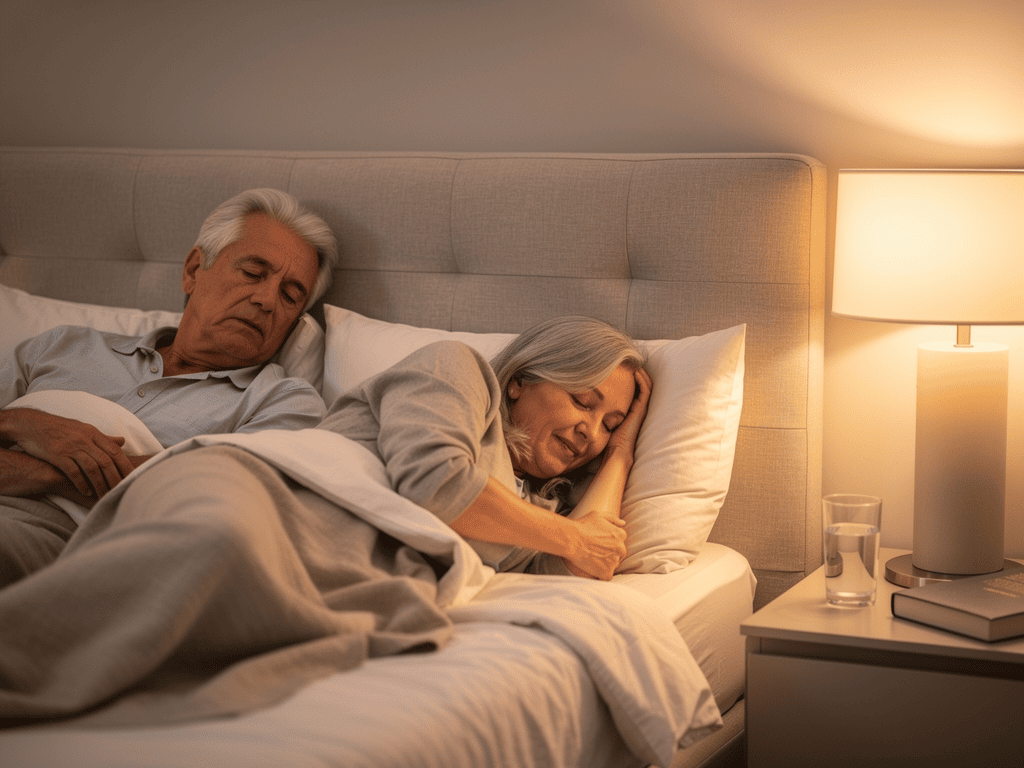
Why Sleep is Important in Old Age
Restful sleep is important at any age, but it becomes even more significant in old age. When you sleep well as grandparents, you have more energy to be active with your grandchildren, tell stories, play, and spend valuable time together. Good sleep also helps you stay healthy so you can be there for your grandchildren for a long time.
Sleep is not only rest for the body but also for the mind. While you sleep, your body regenerates, the immune system is strengthened, and the brain processes the experiences of the day. When you sleep well, you are rested and alert the next day and can fully enjoy the beautiful moments with your grandchildren.
Physical Health
Good sleep is essential for your physical health. During sleep, the body repairs itself, the immune system is strengthened, and important hormones are released. When you regularly sleep well, you stay healthy longer and can be active with your grandchildren – whether walking, playing in the garden, or on joint outings.
Lack of sleep can lead to various health problems that can affect your quality of life. However, if you pay attention to sufficient restful sleep, you stay physically fit and can spend many beautiful years with your grandchildren.
Mental Fitness
Sleep is also important for your mental fitness. While you sleep, the brain processes information, consolidates memories, and prepares for the next day. Good sleep helps you stay mentally alert and attentive so you can have interesting conversations with your grandchildren, tell stories, and learn together.
When you are well-rested, you can also better respond to your grandchildren's needs and be patient with them. Your grandchildren benefit when you are mentally fit and can share your life experience and knowledge with them.
Energy for Grandchildren
Your grandchildren need you as active, present grandparents. When you sleep well, you have the energy to play with your grandchildren, read to them, cook together, or simply spend time together. These shared moments are valuable for your grandchildren and positively shape their childhood.
Good sleep gives you the strength to be there for your grandchildren when they need you – whether helping with homework, during joint activities, or simply as a reliable contact person. Your grandchildren will sense when you are rested and energetic and will enjoy this time with you even more.
Common Sleep Problems in Old Age
Many people in old age struggle with sleep problems. This is completely normal and nothing to be ashamed of. It is important that you recognize the problems and actively do something about them so you can find restful sleep again.
The most common sleep problems in old age are difficulty falling asleep, sleep maintenance problems, and early awakening. Often these problems also occur in combination. The good news is: In most cases, you can sleep better again with simple measures and adjustments to your habits.
Difficulty Falling Asleep
Difficulty falling asleep is a common problem in old age. You lie in bed and simply cannot fall asleep, even though you are tired. Thoughts circle, you feel restless, and time passes without you finding peace.
Difficulty falling asleep can have various causes: too much caffeine during the day, eating too late, stress, or worries that occupy you. Often it helps if you adjust your evening routine and create a quiet, relaxed atmosphere before going to bed.
Sleep Maintenance Problems
Many older people wake up several times during the night and have difficulty falling back asleep. This can be very stressful and leads to you not feeling rested the next morning.
Sleep maintenance problems can be caused by various factors: frequent urination, pain, restless legs, or worries that keep you awake. However, there are various strategies that can help you sleep better through the night and feel more rested the next day.
Early Awakening
Early awakening is another common problem in old age. You wake up very early in the morning – often around 4 or 5 o'clock – and cannot fall back asleep. This can lead to you feeling tired during the day, even though you should have had enough sleep.
Early awakening can be related to changes in the sleep-wake rhythm that are normal in old age. It is important that you still try to get enough sleep, even if that means going to bed earlier or taking a short nap during the day.
Causes of Sleep Disorders
Sleep disorders in old age can have various causes. It is important to know the possible triggers so you can take targeted action. Not all sleep problems have the same cause, and sometimes several factors work together.
When you understand the causes of your sleep problems, you can better assess which measures are best for you. Sometimes small changes in daily life are enough to sleep better again.
Physical Causes
Various physical factors can affect sleep. Pain, for example from arthritis or back pain, can make it difficult to fall asleep or wake you up at night. Frequent urination, which occurs more often in old age, can also disturb sleep.
Medications can also affect sleep. Some medications can cause drowsiness, others can disturb sleep. If you suspect that your medications are affecting your sleep, talk to your doctor about it. Perhaps there are alternatives or ways to adjust the timing of intake.
Psychological Factors
Stress, worries, and fears can significantly affect sleep. If you are thinking about your health, your family, or other things, this can lead to you not finding peace and sleeping poorly.
Depressive moods or sadness can also affect sleep. If you feel that psychological factors are causing your sleep problems, it is important to talk about it – with your doctor, with your family, or with people you trust. You don't have to deal with it alone.
Lifestyle and Habits
Your daily habits have a great influence on your sleep. Too much caffeine, especially in the afternoon or evening, can make it difficult to fall asleep. Alcohol can also disturb sleep, even if it initially makes you tired.
Too little exercise during the day can lead to you not being tired enough in the evening to fall asleep well. Irregular sleep times or sleeping too long during the day can also affect nighttime sleep. If you adjust your habits, you can often do a lot for better sleep.
Improving Sleep Hygiene
Sleep hygiene includes all habits and measures that promote restful sleep. If you improve your sleep hygiene, you can often do a lot for better sleep without needing medications or other aids.
Good sleep hygiene means maintaining regular sleep times, optimizing the bedroom, and developing a relaxed evening routine. These measures can help you find restful sleep again so you can be there for your grandchildren with full energy.
Regular Sleep Times
Regular sleep times are important for restful sleep. Try to go to bed and get up at the same time every day, even on weekends. This helps your body develop a stable sleep-wake rhythm.
When you maintain regular sleep times, your body gets used to it and you will be able to fall asleep more easily and sleep better through the night. This gives you the energy you need to be active with your grandchildren and enjoy the time together.
Optimizing the Bedroom
Your bedroom should be a place of peace and relaxation. Ensure a pleasant temperature – not too warm and not too cold. The ideal sleep temperature is about 18 degrees Celsius. Also make sure the room is well ventilated.
Darken the bedroom so no disturbing light comes in. If necessary, use blackout curtains or a sleep mask. Also reduce noise sources – if necessary, use earplugs or a device that produces calming sounds.
Developing Evening Rituals
A relaxing evening ritual can help you find peace and fall asleep better. Develop a routine that you perform every evening before going to bed – for example, drinking a cup of calming tea, reading a book, listening to quiet music, or doing relaxation exercises.
Avoid exciting activities, bright light from screens, or stressful conversations before going to bed. Give your body and mind time to find peace so you can fall asleep relaxed.
Nutrition and Exercise
Your nutrition and physical activity have a great influence on your sleep. If you pay attention to sleep-promoting nutrition and exercise regularly, you can often do a lot for better sleep.
Exercise during the day helps you be tired in the evening and fall asleep better. At the same time, you should pay attention to what you eat and drink, especially in the evening. Some foods can promote sleep, others can disturb it.
Sleep-Promoting Foods
Some foods can promote sleep. Warm milk with honey, chamomile tea, or a light meal with complex carbohydrates can help you find peace. Bananas also contain tryptophan, an amino acid that can promote sleep.
However, avoid heavy, fatty meals in the evening, as these can disturb sleep. Spicy or heavily seasoned foods can also affect sleep. Try to have your last larger meal at least two to three hours before going to bed.
Daytime Exercise
Regular exercise during the day can help you sleep better. You don't have to run a marathon – even a daily walk, light gymnastics, or other moderate activities can improve sleep. Exercise also helps you stay healthy so you can be active with your grandchildren for a long time.
It is important that you don't exert yourself too late in the day, as this can disturb sleep. Try to schedule physical activities for the morning or early afternoon. In the evening, you should prefer quiet activities.
Avoiding Sleep Disruptors
Caffeine and alcohol can significantly disturb sleep. Try to avoid caffeine – for example from coffee, tea, or cola – in the afternoon and evening. If you like to drink coffee, try to have your last cup at the latest in the early afternoon.
Alcohol may initially make you tired, but it disturbs sleep in the second half of the night. If you drink alcohol, try to do so in moderation and not too late in the evening. Nicotine can also disturb sleep, so it is better not to smoke, especially not before going to bed.
Relaxation Techniques
Relaxation techniques can help you find peace and fall asleep better. When you learn to relax your body and mind, you can often do a lot for better sleep.
There are various relaxation techniques you can try. Find out which works best for you. You can also apply these techniques during the day when you feel stressed so you are more relaxed in the evening.
Breathing Exercises
Simple breathing exercises can help you find peace and fall asleep better. Lie down comfortably and breathe slowly and deeply in and out. Focus only on your breathing and let go of other thoughts.
You can also try the 4-7-8 breathing technique: Breathe in for four seconds, hold your breath for seven seconds, and breathe out for eight seconds. Repeat this several times. This technique can help you quickly find peace.
Progressive Muscle Relaxation
Progressive muscle relaxation is a technique where you tense various muscle groups one after another and then relax them again. Start with your toes and work your way slowly through your whole body to your head.
This technique can help you release physical tension and find peace. You can also apply progressive muscle relaxation during the day when you feel stressed so you are more relaxed in the evening.
Meditation and Mindfulness
Meditation and mindfulness exercises can help you find peace and sleep better. You don't have to meditate for hours – even five to ten minutes a day can make a difference.
There are various meditation apps or guided meditations you can try. You can also simply sit quietly, focus on your breathing, and observe your thoughts without judging them. This practice can help you find inner peace.
When to Seek Professional Help
If your sleep problems persist over a longer period and significantly affect your quality of life, you should seek professional help. You don't have to deal with it alone – there are various ways to get support.
Talk to your family doctor about your sleep problems. He can clarify possible physical causes and help you find the right treatment. Sometimes a referral to a sleep specialist or sleep clinic can also be useful.
If psychological factors are causing your sleep problems, psychological counseling or therapy can also be helpful. It is important that you are not ashamed to seek help – sleep problems are a common problem and there are effective treatment options.
Remember: When you sleep better again, you have more energy for your grandchildren and can enjoy the time together even more. Seeking professional help is a sign of strength, not weakness.
Sleep Hygiene Tips at a Glance
Sleep-Promoting Foods
Common Causes of Sleep Disorders in Old Age
Tips for a Relaxing Evening Ritual
- Develop a fixed routine that you perform every evening
- Drink a cup of calming tea, for example chamomile tea
- Read a book or listen to quiet, relaxing music
- Avoid bright screens at least one hour before going to bed
- Do light relaxation exercises or breathing exercises
- Write down any worries or thoughts in a journal to clear your head
- Design your evening routine so that it brings you joy and relaxes you
Checklist: Optimize Bedroom
- Set temperature to about 18 degrees Celsius
- Ensure sufficient darkness (blackout curtains or sleep mask)
- Reduce noise sources (earplugs if needed)
- Ventilate room well before going to bed
- Use bed only for sleeping, not for work or watching TV
- Use comfortable mattress and pillows
- Remove or turn off electronic devices from bedroom
Warning Signs: When You Should Seek Professional Help
- Sleep problems persist for several weeks
- You feel constantly tired and exhausted during the day
- Your sleep problems significantly affect your quality of life
- You feel that physical or psychological problems are the cause
- Home remedies and habit changes have not brought improvement
- You are afraid of going to bed or develop fears
- Your sleep problems burden your relationships or your ability to be there for your grandchildren